Why Home EV Charging Is Getting Smarter in 2026
Bidirectional charging, V2G tech, and smart Level 2 chargers are reshaping home EV charging in 2026. Here's what's real and what to buy today.
Reader-supported: we may earn a commission from links on this page, at no extra cost to you. It never affects our picks. Learn more.
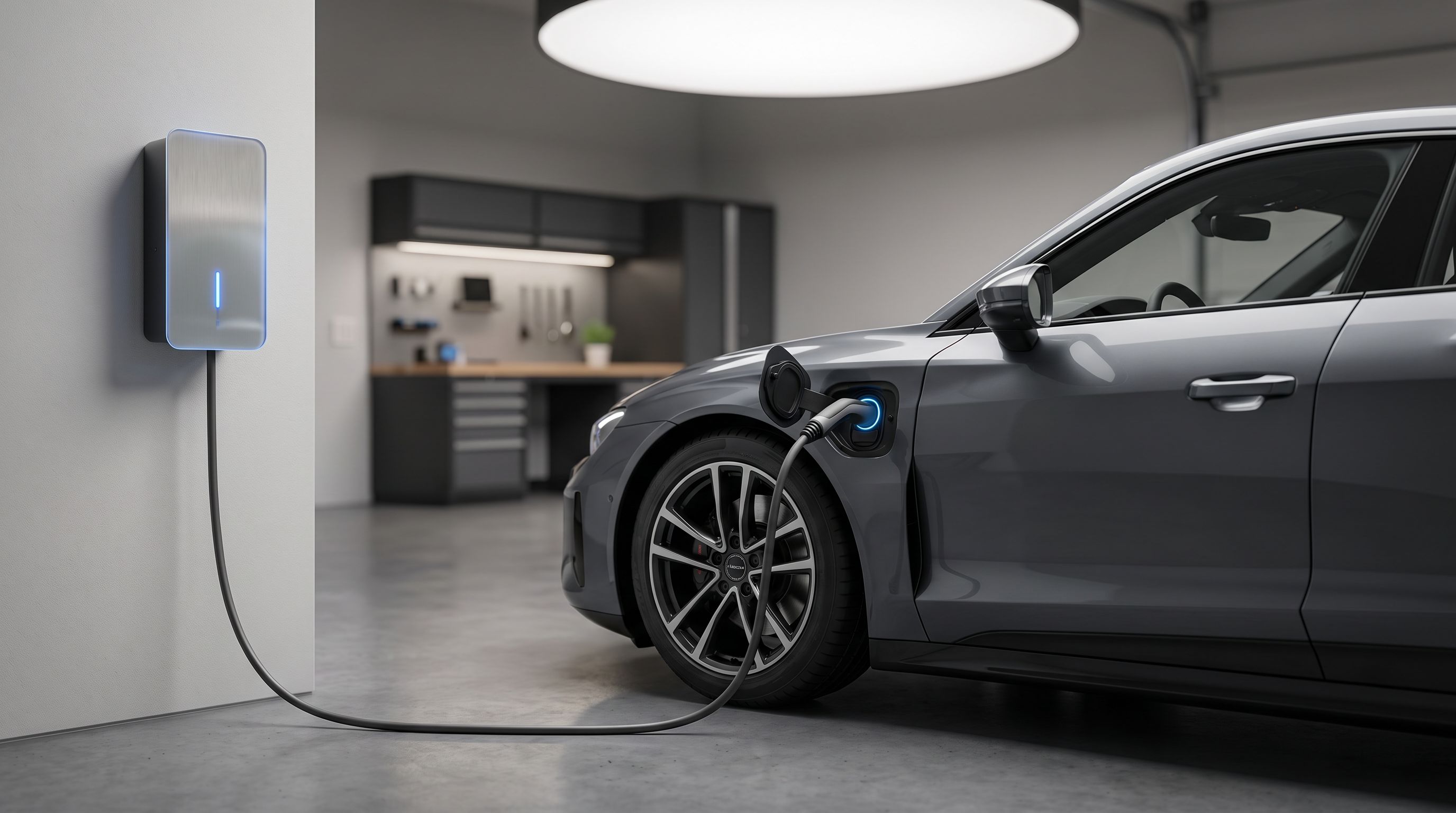
Your home EV charger used to be one of the dumbest devices in your garage — a glorified extension cord that pushed electrons in one direction while you slept. That's changing fast. In 2026, the humble Level 2 charger is becoming a node in a broader home energy system, one that can talk to your utility, respond to electricity prices in real time, and — in a growing number of cases — push power back out of your car's battery and into your house. The convergence of bidirectional charging, smart energy management, and vehicle-to-grid (V2G) standards is turning the home charger into something genuinely interesting. But how much of this is shipping today, and how much is still vaporware?
What's Happening Now
Three overlapping trends are reshaping home EV charging in 2026, and they're arriving at different speeds.
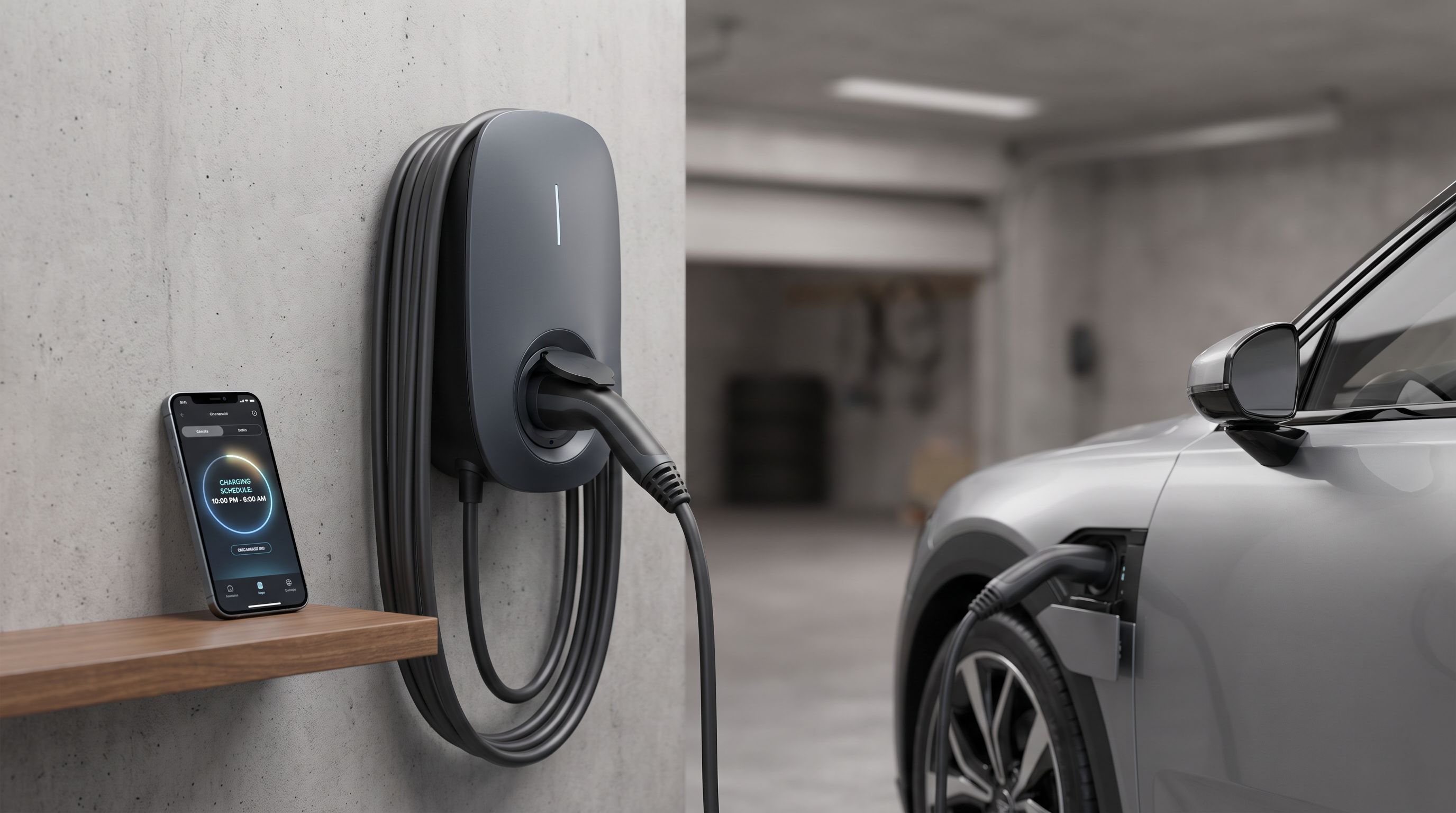
Smart charging is mainstream. Virtually every new Level 2 home charger now ships with Wi-Fi or cellular connectivity, app-based scheduling, and the ability to shift charging sessions to off-peak electricity rates. This isn't futuristic — it's table stakes. Products like the ChargePoint Home Flex and the Emporia EV Charger have offered this for years, but the software layer keeps getting richer: dynamic rate awareness, solar production tracking, and integration with home energy management platforms are becoming standard features rather than premium extras.
 Best for energy monitoring · Emporia EV Charger Level 2 — Check price on Amazon →
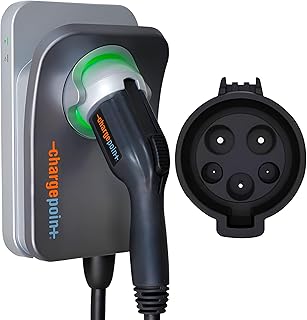 Most versatile smart charger · ChargePoint Home Flex Level 2 EV Charger — Check price on Amazon →
Bidirectional charging is real, but selective. Vehicle-to-home (V2H) and vehicle-to-grid (V2G) capability — the idea that your EV's battery can power your house during an outage or sell energy back to the grid — has moved from concept to limited deployment. Ford's Intelligent Backup Power system for the F-150 Lightning was an early proof of concept, and in 2026, V2G technology is expanding beyond single-manufacturer ecosystems. The key bottleneck isn't the charger hardware; it's vehicle-side support. Only a handful of EVs currently enable bidirectional DC power flow through their charge ports, and utility interconnection rules vary wildly by state and country.
Ultra-fast home charging is creeping upward. Most residential circuits max out at 48 amps on a 240V circuit, delivering roughly 11.5 kW — enough to add about 30-40 miles of range per hour. Some newer chargers support 80-amp circuits for homes with upgraded panels, pushing closer to 19 kW. Meanwhile, BYD's Flash Charging technology, announced for its passenger vehicles, hints at a future where DC fast charging moves closer to home, though residential DC installations remain rare and expensive.
The Real Players and Shipping Products
The home EV charger market has consolidated around a few serious players. Here's what's actually available and notable in 2026:
| Feature | ChargePoint Home Flex | Emporia EV Charger | Wallbox Pulsar Plus | Enphase IQ EV Charger |
|---|---|---|---|---|
| Max Output | Up to 50A / 12 kW | Up to 48A / 11.5 kW | Up to 48A / 11.5 kW | Up to 48A / 11.5 kW |
| Smart Scheduling | Yes (app) | Yes (app + energy monitoring) | Yes (app) | Yes (Enphase ecosystem) |
| Solar Integration | Via app/third-party | Native energy monitoring | Via Wallbox ecosystem | Native (Enphase IQ system) |
| V2H/V2G Support | No | No | Bidirectional (Quasar 2 model) | No (charger side) |
| Hardwired / Plug-in | Both options | Both options | Hardwired | Hardwired |
 Best compact smart charger · Wallbox Pulsar Plus Level 2 EV Charger — Check price on Amazon →
ChargePoint Home Flex remains one of the most flexible options, with adjustable amperage from 16A to 50A and broad compatibility. It's a proven, well-reviewed charger that handles smart scheduling well.
Emporia EV Charger pairs with Emporia's home energy monitoring hardware, giving owners a unified view of whole-home electricity consumption alongside EV charging. For households already tracking their energy use, this integration is genuinely useful.
Wallbox is the company pushing hardest on bidirectional home charging with its Quasar 2, a DC bidirectional charger designed for V2H applications. It's one of the few shipping products that can actually send power from a compatible EV back into a home, though it requires specific vehicle compatibility (notably certain Nissan and Hyundai models with CHAdeMO or CCS bidirectional support) and proper permitting.
Enphase, better known for solar microinverters and home batteries, has entered the charger space with the IQ EV Charger, designed to integrate tightly with Enphase solar and battery systems. If you're already in the Enphase ecosystem, this charger lets you prioritize charging from excess solar production automatically.
What It Means If You're Shopping Today
If you're buying a home EV charger right now, here's the honest calculus:
Don't overpay for V2G you can't use yet. Bidirectional charging is exciting, but unless you own one of the few vehicles that support it and live in a jurisdiction with clear interconnection rules, you're paying a premium for a feature that sits idle. The Wallbox Quasar 2 is a real product, but its utility depends entirely on your specific car and local regulations.
Smart scheduling is worth it. Even a basic smart charger that shifts your charging to off-peak hours can save meaningful money over the life of an EV, especially as more utilities roll out time-of-use rates. This is the one "smart" feature that pays for itself.
Think about your electrical panel. Many homes built before 2000 have 100-amp or 150-amp main panels. A 48-amp EV charger is a significant load. Some newer smart chargers offer load management or energy sharing features that throttle charging when other heavy appliances are running — a practical feature worth considering before you pay for a panel upgrade.
Solar integration matters more than you think. If you have or plan to install solar panels, a charger that can coordinate with your solar system — like the Enphase IQ EV Charger or the Emporia with its energy monitoring — lets you charge primarily from your own production. This turns your EV into a form of energy storage even without bidirectional capability.
What to Watch Next
The next 12 to 18 months will be pivotal for home EV charging. Several developments are worth tracking:
The CCS bidirectional standard is maturing. As more automakers adopt CCS (Combined Charging System) with bidirectional support, the charger side of V2H and V2G will become less proprietary. Watch for announcements from Hyundai, Kia, and BMW, which have been among the most active in enabling bidirectional power flow.
Utility programs are expanding. Several U.S. utilities are piloting V2G programs that compensate EV owners for feeding power back during peak demand. These programs will determine whether V2G becomes a genuine money-saver or stays a niche novelty.
The NEVI buildout has ripple effects. The federal National Electric Vehicle Infrastructure program is pushing public fast-charging expansion, but it's also raising consumer expectations for charging speed. Expect pressure on home charger manufacturers to push power levels upward, possibly accelerating residential DC charger adoption.
Robotics and automation at the margins. CES 2026 showcased concepts for robotic EV chargers and automated solar-charging systems. These are mostly commercial-focused today, but they signal where the technology is heading — toward charging that requires zero human interaction.
FAQ
Can I use my EV as a home backup battery right now? In limited cases, yes. The Ford F-150 Lightning with the Intelligent Backup Power system and the Wallbox Quasar 2 paired with a compatible vehicle can provide V2H power. But most EVs and most chargers do not yet support this. Check your specific vehicle's bidirectional capability before investing.
Is a 48-amp charger overkill for home use? For most drivers, a 32-amp or 40-amp charger adds 25-30 miles of range per hour, which is enough to fully charge overnight. A 48-amp charger is faster but requires a dedicated 60-amp circuit. It's worth it if your daily driving distance is high or your charging window is short.
Will home EV chargers get significantly faster in 2026? Incremental improvements in Level 2 AC charging are likely, but the real speed gains come from residential DC chargers, which remain expensive and uncommon. For most buyers, a good Level 2 smart charger is the practical choice for the foreseeable future.
Do I need a smart charger, or is a basic one fine? A basic "dumb" charger works, but smart scheduling and energy monitoring features typically pay for themselves through lower electricity bills within a year or two. The price gap has narrowed enough that smart chargers are worth the small premium.
Our picks
ChargePoint HomeFlex Level 2 EV Fast Charger, J1772, Smart, Hardwired, 50A
Adjustable 16-50A output with app scheduling and broad vehicle compatibility.
EMPORIA Level 2 EV Charger w/ J1772 Connector — 48 Amp, 240V WiFi Enabled Electric Vehicle Charging Station, 25ft Cable, Hardwired with Whip, White
Pairs with Emporia's energy monitoring system for whole-home consumption visibility.
Wallbox Pulsar Plus Level 2 Ev Charger 40A, Electric Car Charger EVSE J1772
Sleek, app-connected 48A charger from the company leading bidirectional tech.

40 Amp Smart Level 2 EV Charger - Enphase IQ 50 (Formerly ClipperCreek), Hardwired, Electric Car Charger with J1772 Connector, 5-Year Warranty, 25ft Cable for Home Use
Integrates natively with Enphase solar and battery systems for solar-priority charging.
Get the best tech deals in your inbox
Join the BytePlaza newsletter for hand-picked gadget deals and new buying guides. No spam, unsubscribe anytime.
Related reads
Why Home EV Charging Is Getting Smarter in 2026
Bidirectional charging, smart scheduling, and V2G are reshaping home EV charging in 2026. Here's what's real, who's shipping, and what it means.
Home EV Charging in 2026, Explained
Bidirectional charging, smart load management and NACS have reshaped home EV charging in 2026. Here's what's actually shipping — and what it means for buyers.
Home EV Charging in 2026, Explained: V2H and Smart Chargers
Bidirectional charging, smart load management and solar-aware Level 2 chargers are reshaping home EV charging in 2026. Here's what actually ships today.