Why Home EV Charging Is Getting Smarter in 2026
Bidirectional charging, smart scheduling, and V2G are reshaping home EV charging in 2026. Here's what's real, who's shipping, and what it means.
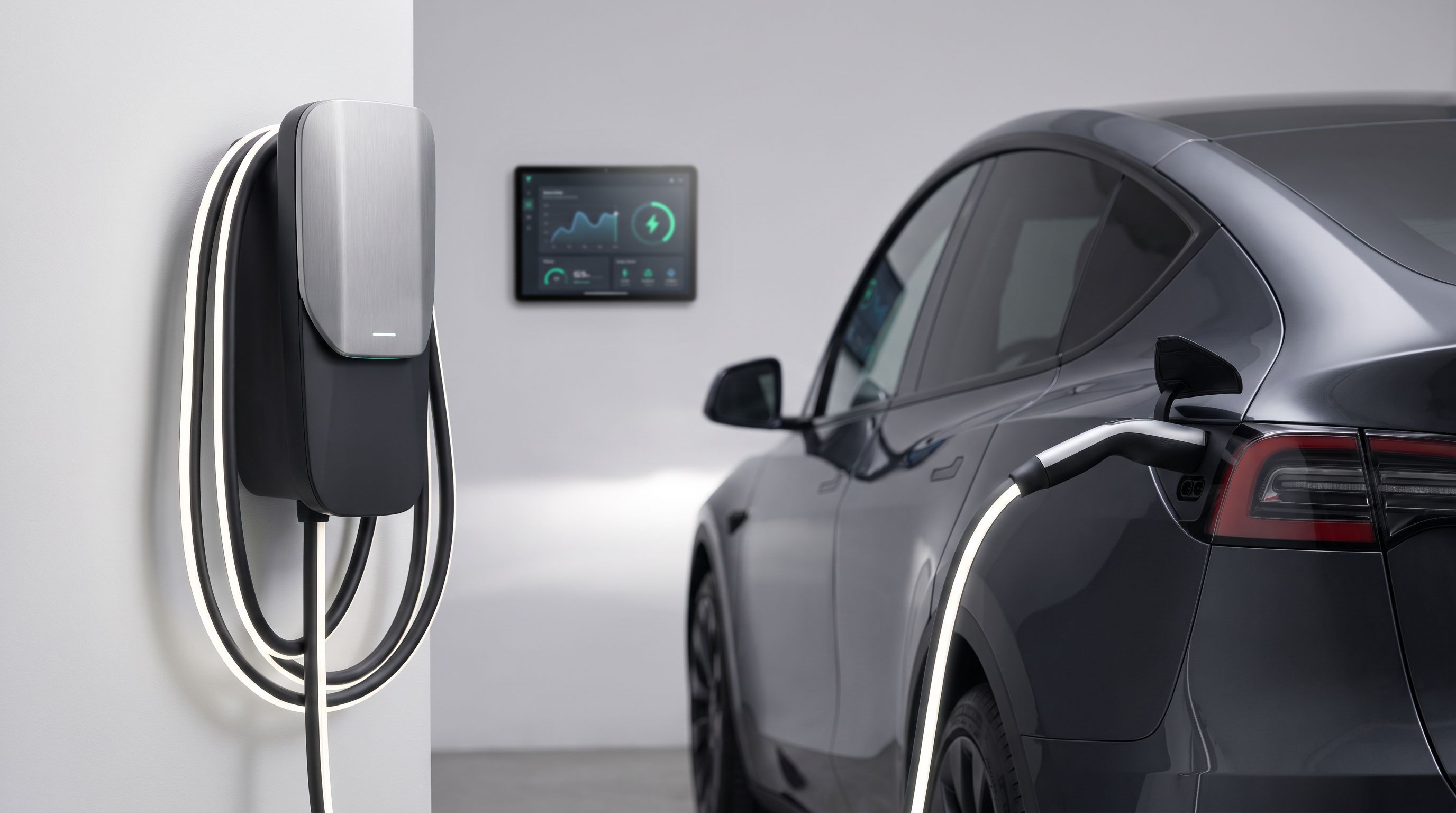
Reader-supported: we may earn a commission from links on this page, at no extra cost to you. It never affects our picks. Learn more.
Your garage is becoming a power plant — slowly
For years, home EV charging meant one thing: plug in at night, draw from the grid, wake up to a full battery. That's changing. In 2026, the conversation has shifted from "how fast can I charge?" to "can my car power my house?" Bidirectional charging, smarter energy management, and vehicle-to-grid (V2G) technology are no longer trade-show curiosities — they're crossing into commercial reality. But the gap between what's announced and what you can actually buy, install, and use today remains wider than many headlines suggest.
Here's a grounded look at where home EV charging tech actually stands, who the real players are, and what matters if you're shopping right now.
What's happening now
Three overlapping trends define home EV charging in 2026: bidirectional power flow, intelligent scheduling, and tighter integration with home energy systems.
Bidirectional charging (V2H and V2G) is the headline grabber. The idea is simple — your EV's massive battery (typically 60–100 kWh) can send power back to your home during outages or peak-rate hours, or even feed the grid for credit. According to industry reporting, automakers including GM, Ford, Hyundai/Kia, and Tesla are all moving bidirectional charging from concept to commercial availability. Ford's F-150 Lightning was an early mover with its Intelligent Backup Power feature, and GM has been rolling out V2H capability across its Ultium-based vehicles. Tesla has confirmed bidirectional charging support for the Cybertruck and newer Model 3/Y hardware, though the timeline for full software enablement has shifted more than once.
Smart charging and scheduling is arguably the more immediately impactful trend. J.D. Power's 2026 U.S. Electric Vehicle Experience study found that scheduled charging — shifting loads to off-peak hours — measurably boosts owner satisfaction and lowers costs, even as overall charging costs rise. The chargers enabling this aren't exotic; they're WiFi-connected Level 2 units with app-based scheduling, energy monitoring, and increasingly, integration with utility time-of-use rate plans.
Home energy integration ties the first two together. Companies are bundling EV chargers with solar inverters, home batteries, and energy management platforms, turning the garage into a node in a broader home microgrid. This is where the real long-term value lives — but also where complexity and cost climb fastest.
The real players and shipping products
The home EV charger market has matured rapidly. Here's who's actually shipping hardware you can buy and install today:
| Brand / Product | Type | Key Feature | Bidirectional? | Notable Detail |
|---|---|---|---|---|
| ChargePoint Home Flex | Level 2 (up to 50A) | Adjustable amperage, app scheduling | No | Wide compatibility, UL-listed |
| Emporia EV Charger | Level 2 (48A) | Energy monitoring, low cost | No | Integrates with Emporia Vue energy monitor |
| Wallbox Pulsar Plus | Level 2 (48A) | Compact, smart scheduling | No | Power sharing for multi-EV homes |
| Wallbox Quasar 2 | Level 2 bidirectional | V2H power delivery | Yes | One of few shipping bidirectional home units |
 Best for multi-EV homes · Wallbox Pulsar Plus Level 2 EV Charger — Check price on Amazon →
 Best all-around smart charger · ChargePoint Home Flex Level 2 EV Charger — Check price on Amazon →
ChargePoint Home Flex remains one of the most widely recommended smart Level 2 chargers based on reviews and installer feedback. Its adjustable amperage (16A to 50A) makes it flexible for different electrical panels, and the app handles scheduling and energy tracking.
Emporia EV Charger has carved out a niche as a budget-friendly smart option. It reportedly integrates with Emporia's Vue home energy monitoring ecosystem, giving owners a unified view of whole-home energy use alongside EV charging data — a practical step toward the "smart grid" vision without a premium price tag.
Wallbox is straddling both sides of the market. The Pulsar Plus is a compact, well-reviewed smart charger with power-sharing capability for homes with two EVs. More significantly, the Wallbox Quasar 2 is one of the only commercially available bidirectional home chargers, capable of sending power from a compatible EV back into the home. It's a genuine V2H product — but compatibility is currently limited to certain vehicle models and its price point is substantially higher than standard Level 2 units.
On the automaker side, Ford's Charge Station Pro (80A) was designed to pair with the F-150 Lightning for bidirectional home backup. GM's partnership with various EVSE providers aims to bring V2H to Ultium vehicles. Tesla's Wall Connector remains one of the most popular home chargers, though its bidirectional capabilities are tied to vehicle-side updates that are still rolling out in stages.
What it means if you're shopping today
If you're buying a home EV charger in 2026, the honest advice is pragmatic: smart scheduling matters more than bidirectional capability for most buyers right now.
V2H and V2G are genuinely exciting, but the ecosystem is fragmented. Bidirectional charging requires compatibility between your charger, your car, your electrical panel, and in many cases your utility. The Wallbox Quasar 2 works — but only with specific vehicles and at a cost premium that's hard to justify purely on energy savings today.
Meanwhile, a well-chosen smart Level 2 charger — something like the ChargePoint Home Flex or Emporia EV Charger — delivers immediate, measurable value through off-peak scheduling, energy visibility, and reliable daily charging. These are mature products with broad vehicle compatibility and straightforward installation.
A few practical considerations:
- Amperage flexibility matters. A 48A charger on a 60A circuit is ideal for most EVs, adding roughly 30–37 miles of range per hour. The ChargePoint Home Flex's adjustable amperage is useful if your panel is near capacity.
- Look for Energy Star certification and utility rebates. Many utilities now offer rebates for connected chargers that can participate in demand-response programs.
- Don't overbuy for bidirectional. Unless you own an F-150 Lightning with Ford's Charge Station Pro or a Quasar 2-compatible vehicle, bidirectional hardware will sit idle. Buy for what works now; the standard is still settling.
- WiFi connectivity is non-negotiable. App-based scheduling, energy tracking, and OTA updates separate a smart charger from a glorified extension cord.
What to watch next
The next 12–18 months should bring meaningful clarity on several fronts:
- Tesla's bidirectional rollout. Tesla has confirmed the hardware capability in newer vehicles, but the full software unlock — especially for V2H — remains anticipated rather than delivered. When (and if) Tesla enables this broadly, it could shift the entire market given Tesla's install base.
- NACS standardization. The North American Charging Standard (NACS) connector is becoming the de facto standard, with most major automakers adopting it. This simplifies the charger-buying decision but also means older J1772-only homes may need adapter strategies.
- Utility V2G programs. Pilot programs are expanding where utilities pay EV owners for grid services. Widespread availability will be the real unlock for bidirectional charging economics — the hardware is ahead of the rate structures.
- CES 2026 showcased robotic EV chargers and wireless charging pads, but these remain firmly in the concept/pilot stage for residential use. Don't plan your garage around them yet.
The bottom line: home EV charging is getting smarter, more integrated, and eventually bidirectional — but the "eventually" part matters. The smartest purchase today is a reliable, connected Level 2 charger that saves you money through intelligent scheduling. Bidirectional is the future; smart scheduling is the present.
FAQ
Do I need a bidirectional charger in 2026? For most homeowners, no. Bidirectional (V2H/V2G) chargers like the Wallbox Quasar 2 are shipping, but vehicle compatibility is limited and cost premiums are significant. A standard smart Level 2 charger covers the vast majority of use cases today.
How much does a home EV charger cost to install? Hardware for a quality smart Level 2 charger typically runs $400–$700. Installation costs vary widely — $200 to $1,500+ depending on your electrical panel capacity and whether you need a circuit upgrade. Utility rebates can offset a portion.
Will NACS replace J1772 for home charging? NACS is becoming the dominant connector standard, but most home Level 2 chargers still ship with J1772 connectors, and adapters are widely available. This is an evolving transition, not an overnight switch.
Can I use my EV as a home battery backup today? In limited cases, yes. The Ford F-150 Lightning with the Charge Station Pro and select GM Ultium vehicles support V2H. Tesla has confirmed bidirectional hardware in newer models but full V2H software enablement is still rolling out. The Wallbox Quasar 2 supports V2H with compatible vehicles.
Our picks
ChargePoint HomeFlex Level 2 EV Charger, Hardwired NACS Charging Station
Adjustable 16–50A output, app scheduling, and broad vehicle compatibility make it a top pick.

EMPORIA Level 2 EV Charger w/ J1772 Connector — 48 Amp, 240V WiFi Enabled Electric Vehicle Charging Station, 25ft Cable, Hardwired with Whip, White
Affordable Level 2 charging with energy monitoring and Emporia Vue ecosystem integration.
Wallbox Pulsar Plus Level 2 Ev Charger 48A, Electric Car Charger EVSE J1772
Compact design with power-sharing capability and smart scheduling via app.
Wallbox Pulsar Plus Level 2 Ev Charger 48A, Electric Car Charger EVSE J1772
One of the only shipping V2H home chargers — limited vehicle compatibility but genuinely real.
Get the best tech deals in your inbox
Join the BytePlaza newsletter for hand-picked gadget deals and new buying guides. No spam, unsubscribe anytime.
Related reads
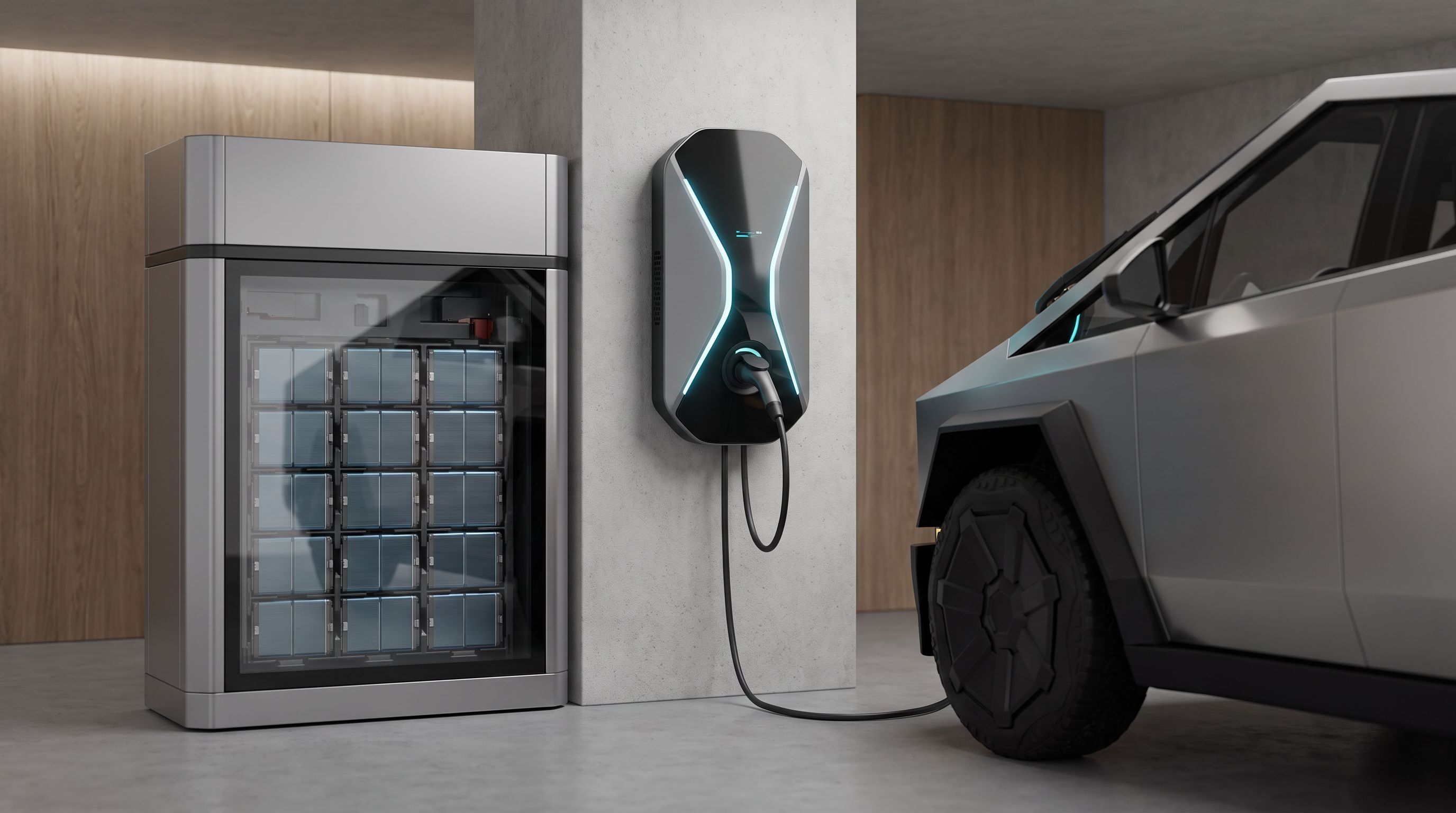
Home EV Charging in 2026, Explained
Bidirectional charging, smart load management and NACS have reshaped home EV charging in 2026. Here's what's actually shipping — and what it means for buyers.
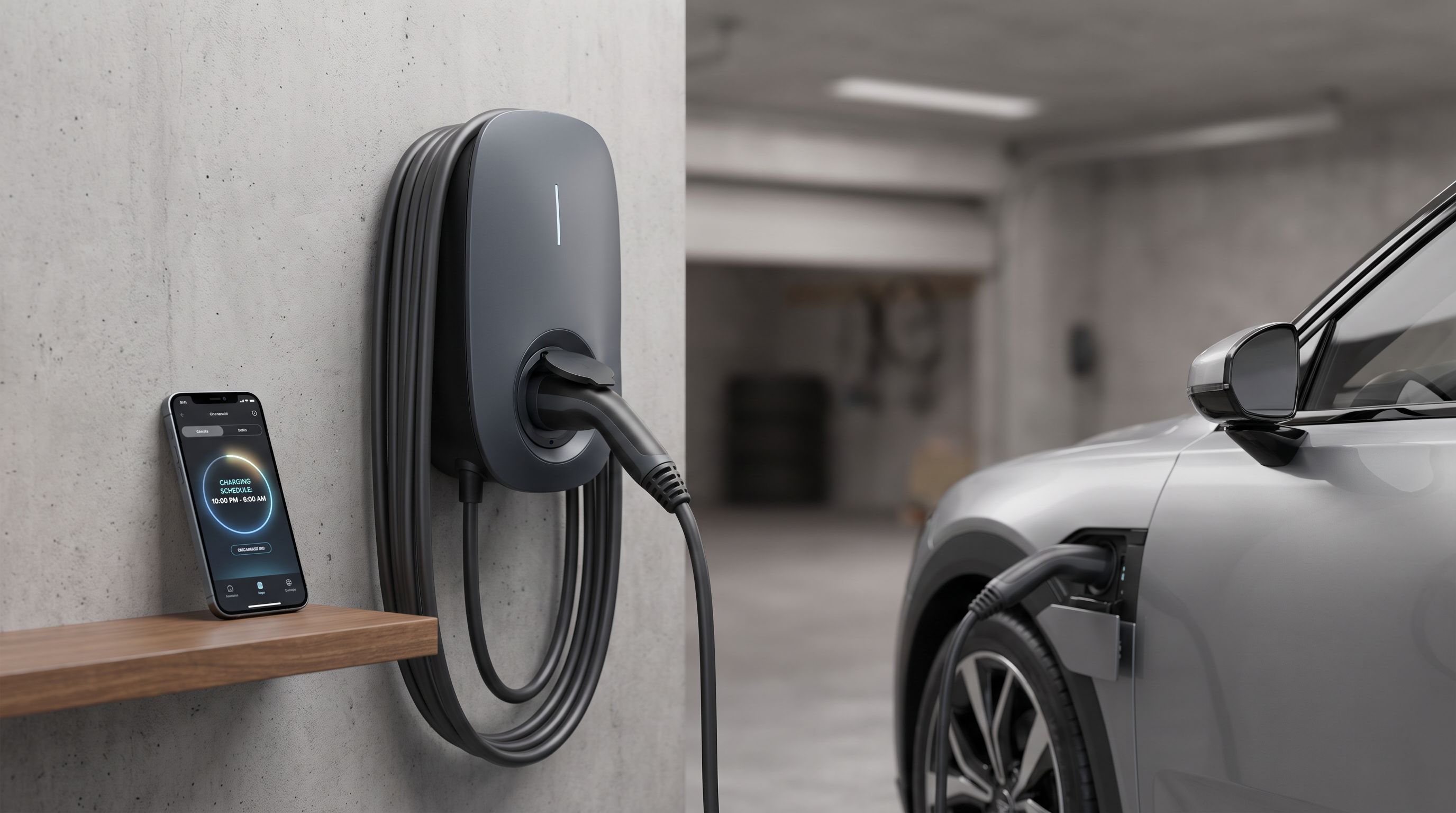
Home EV Charging in 2026, Explained: V2H and Smart Chargers
Bidirectional charging, smart load management and solar-aware Level 2 chargers are reshaping home EV charging in 2026. Here's what actually ships today.
Ambient Computing 2026: Why Sensors Beat Screens
Ambient computing in 2026 explained: presence sensors, always-listening hubs, and local AI. What actually works today, what to skip, and the gear to start with.