Thermal Camera for Phone 2026: Which Resolution Tier?
Picking the best thermal camera for phone 2026? We compare USB-C and Lightning clip-on imagers by resolution, NETD and app quality for home, plumbing and car work.
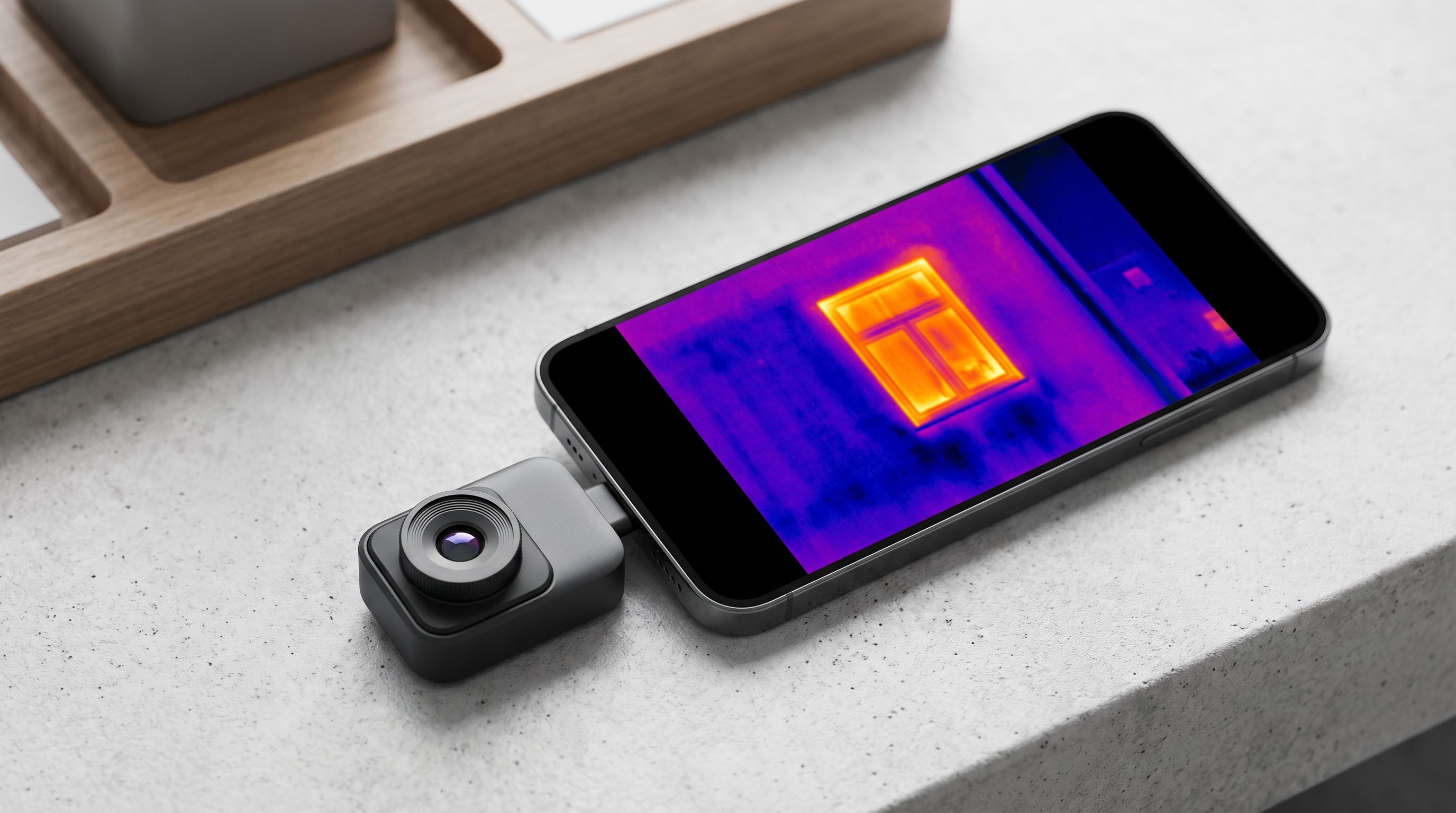
Reader-supported: we may earn a commission from links on this page, at no extra cost to you. It never affects our picks. Learn more.
Clip-on thermal cameras have quietly become one of the most useful phone accessories you can own. For the price of a mid-range pair of earbuds, a thumb-sized module turns your handset into an infrared imager that finds missing loft insulation, traces underfloor heating loops, spots a seized brake caliper, or confirms which breaker is cooking.
But the category is confusing. Resolution numbers get inflated by interpolation, "NETD" is buried in footnotes, and the app — which you'll use every single time — barely gets mentioned in listings. We compared current USB-C and wireless models on manufacturer specs, independent review coverage and owner feedback to work out which tier actually matters for which job.
How we evaluated
We ranked models on five things:
- Native sensor resolution — not the upscaled number on the box. 160×120, 256×192 and 512×384 are the three real tiers in 2026.
- Thermal sensitivity (NETD) — measured in millikelvin. Lower is better; sub-50 mK is the mark of a sensor that can show a 0.1 °C draught edge instead of mush.
- Connection and fit — a rigid USB-C plug is fast but fights thick phone cases; a wireless clamp works with any phone including locked-down iPhones.
- App quality — spot meters, isotherms, emissivity adjustment, radiometric still saving, report export.
- Owner feedback patterns — heat soak and drift, connector wear, app stability on recent Android and iOS releases.
We research and compare using published specs, third-party test results and verified owner reviews; we don't physically test units ourselves.
Resolution tiers: what each one is actually good for
160×120 (entry). Fine for finding a cold spot on a wall, a hot fuse or a blocked radiator. It falls apart as soon as the target is small or distant — a 15 mm pipe at three metres is a couple of pixels. The FLIR ONE Pro LT sits here, and gets away with it because MSX overlays visible-light edges onto the thermal frame, so you can tell what you're looking at.
256×192 (the sweet spot). This is where most people should land. Four times the pixel count of entry models, enough to trace pipe runs through a screed floor, read individual terminals in a consumer unit, and map thermal bridging across a whole wall in one frame. The Thermal Master P2 Pro is the reference point here and is frequently the cheapest route into the tier.
 Best value · Thermal Master P2 Pro — Check price on Amazon →
512×384 (high-res). Roughly 196,000 pixels — a genuinely different experience. Small SMD components, distant roof detail and fine gaps around window reveals become legible rather than inferred. The Thermal Master P3 is the mainstream option at this resolution and is the one to choose if you're doing paid inspections or electronics-level fault finding.
 Best resolution · Thermal Master P3 — Check price on Amazon →
Comparison table
| Model | Connection | Native resolution tier | Best suited to | Notable strength |
|---|---|---|---|---|
| FLIR ONE Edge Pro | Wireless clamp (any phone) | Mid | Mixed trades, shared tool use | Clamps to any phone; camera can be detached and aimed remotely |
| Thermal Master P2 Pro | USB-C direct plug | 256×192 | Insulation, plumbing, DIY | Best detail-per-pound in the category |
| Thermal Master P3 | USB-C direct plug | 512×384 | Pro inspections, electronics | Highest native resolution of our picks |
| FLIR ONE Pro LT | Direct connector | Entry | Occasional home use | MSX overlay and FLIR's reporting app |
| TOPDON TC004 Mini | USB-C direct plug | Mid | Automotive diagnostics | Tuned for hot targets: exhausts, brakes, cooling systems |
 Best for car diagnostics · TOPDON TC004 Mini — Check price on Amazon →
 Best overall · FLIR ONE Edge Pro — Check price on Amazon →
The picks, explained
FLIR ONE Edge Pro — best overall
The Edge Pro solves the single most annoying problem with plug-in imagers: compatibility. Instead of a connector that has to match your port, orientation and case thickness, it clamps onto the phone and talks over its own wireless link. That means one unit can be shared between an iPhone and an Android, and — more usefully — you can take it off the clamp and hold it into a wall cavity, under a car, or above a ceiling void while watching the live feed on the phone in your other hand.
FLIR's app remains the most complete: multiple spot meters, adjustable emissivity, MSX edge detail, and image sets that export cleanly into a report. Owners consistently rate the software higher than the Chinese-market alternatives, even when the raw sensor spec is comparable. The tradeoffs are bulk and battery — it's a device you charge, not a passive plug.
Thermal Master P2 Pro — best value
If you want one recommendation for a homeowner, this is it. The P2 Pro is a 256×192 sensor in a module small enough to live in a coat pocket, powered entirely by the phone, with no battery to go flat mid-job. Reviewers comparing it directly against older FLIR ONE Pro units have repeatedly noted that image clarity is better, simply because the sensor is newer and higher-resolution.
It's excellent at the three jobs most people buy a thermal camera for: finding where the heat leaves the house, locating hot and cold pipe runs, and checking for overheating electrical connections. The app is functional rather than elegant, and you'll want to turn off the more aggressive sharpening filters.
Thermal Master P3 — best resolution
The P3 is what you buy when 256×192 keeps leaving you guessing. At 512×384 native, it resolves things the mid-tier can only hint at: the exact edge of a damp patch, which of three adjacent terminals is warm, a 10 mm void in insulation at distance. It supports both iOS and Android, which matters if you work across both.
It's larger and pricier than the P2 Pro, and genuinely overkill for a once-a-winter loft check. For anyone charging for inspections — or anyone doing board-level repair — the extra pixels pay for themselves on the first ambiguous job.
FLIR ONE Pro LT — best app ecosystem
Lower resolution than the Thermal Master modules, but it's still the model many trade reviewers recommend first, and the reason is the software plus MSX. For occasional users, a legible image you can interpret immediately beats a higher-resolution blob. Choose it if you value FLIR's reporting workflow and support over raw pixel count, and check connector compatibility against your phone and case before ordering.
TOPDON TC004 Mini — best for car diagnostics
Automotive thermal work is a different problem: hot targets, fast-moving conditions, and a need to see differences across a wide temperature range rather than fractions of a degree. The TC004 Mini is tuned for that — spotting a cylinder that isn't firing, a blocked radiator core, a dragging brake, a failing wheel bearing, or a broken heated-seat element. It's also handy for cabin heater diagnosis in winter.
Buying advice in 60 seconds
- Casing it up: measure your phone case thickness. Many USB-C plug-ins need the case removed or a short extension cable.
- Ignore interpolated resolution claims entirely. Find the native sensor figure.
- Check NETD. Under 50 mK is what you want for building envelope work; higher is tolerable for automotive.
- Let the camera acclimatise for a couple of minutes before measuring — cold modules drift.
- For insulation hunting, image when there's at least a 10 °C difference between inside and outside. Dawn on a winter morning is ideal.
- Emissivity matters: shiny metal reads cold and lies to you. Stick a square of matte tape on it and measure that.
FAQ
Does a phone thermal camera need its own battery? USB-C plug-in models like the Thermal Master P2 Pro and P3 draw power from the phone, so there's nothing to charge — but they do drain your handset faster. Wireless clamp models like the FLIR ONE Edge Pro have their own cell, which means charging but no phone battery hit.
Can these find water leaks behind walls? Indirectly. Thermal cameras see surface temperature, not moisture. Evaporative cooling from a damp patch usually shows as a cooler area with a distinct irregular edge, which is often enough to locate a leak — but confirm with a moisture meter before cutting anything.
Is 256×192 enough, or should I go 512×384? For homeowners and general DIY, 256×192 is plenty. Go to 512×384 if you're inspecting professionally, working at distance (roofs, facades), or diagnosing small electronics.
Do they work through glass or walls? No. Glass is opaque to long-wave infrared, so you'll image the glass itself, not what's behind it. The same applies to walls — you're reading surface heat patterns, not seeing through.
Will one work with my iPhone? Current-generation iPhones use USB-C, so modern USB-C modules generally work. If you're on an older Lightning iPhone, check the connector version carefully, or sidestep the issue entirely with a wireless clamp model.
Our picks
Flir Scout Pro Thermal Imaging Monocular, 500m Detection, 32 deg FOV | Human detection, law enforcement, evidence sharing, USB, ergonomic, car charger, dock, pouch
Wireless clamp design works with any phone, plus FLIR's MSX detail overlay and mature app.
Thermal Master P2 Thermal Imaging Camera for Android, 512×384 X³ Resolution
256x192 sensor in a thumb-sized USB-C plug — the sweet spot for insulation and plumbing hunts.
Thermal Master NV300 Max Thermal Camera for Car | 328 Yards Night Vision Dashcam with AI Collision Warning Driver Assistance
512x384 native sensor resolves pipe runs and small components far better than 256x192 clips.
Flir Scout Pro Thermal Imaging Monocular, 500m Detection, 32 deg FOV | Human detection, law enforcement, evidence sharing, USB, ergonomic, car charger, dock, pouch
Lower-res FLIR with the same MSX overlay, spot meters and reporting tools pros rely on.
TOPDON TS004 Thermal Imaging Monocular, 13mm 50Hz Night Vision | 320 x 240 TISR 256 x 192 IR Resolution, Supported Wireless Connection, 11h Battery Life, IP67 Monocular for Hunting, Green
Automotive-focused tuning with fast refresh and a wide temp range for exhaust and brake checks.
Get the best tech deals in your inbox
Join the BytePlaza newsletter for hand-picked gadget deals and new buying guides. No spam, unsubscribe anytime.
Related reads
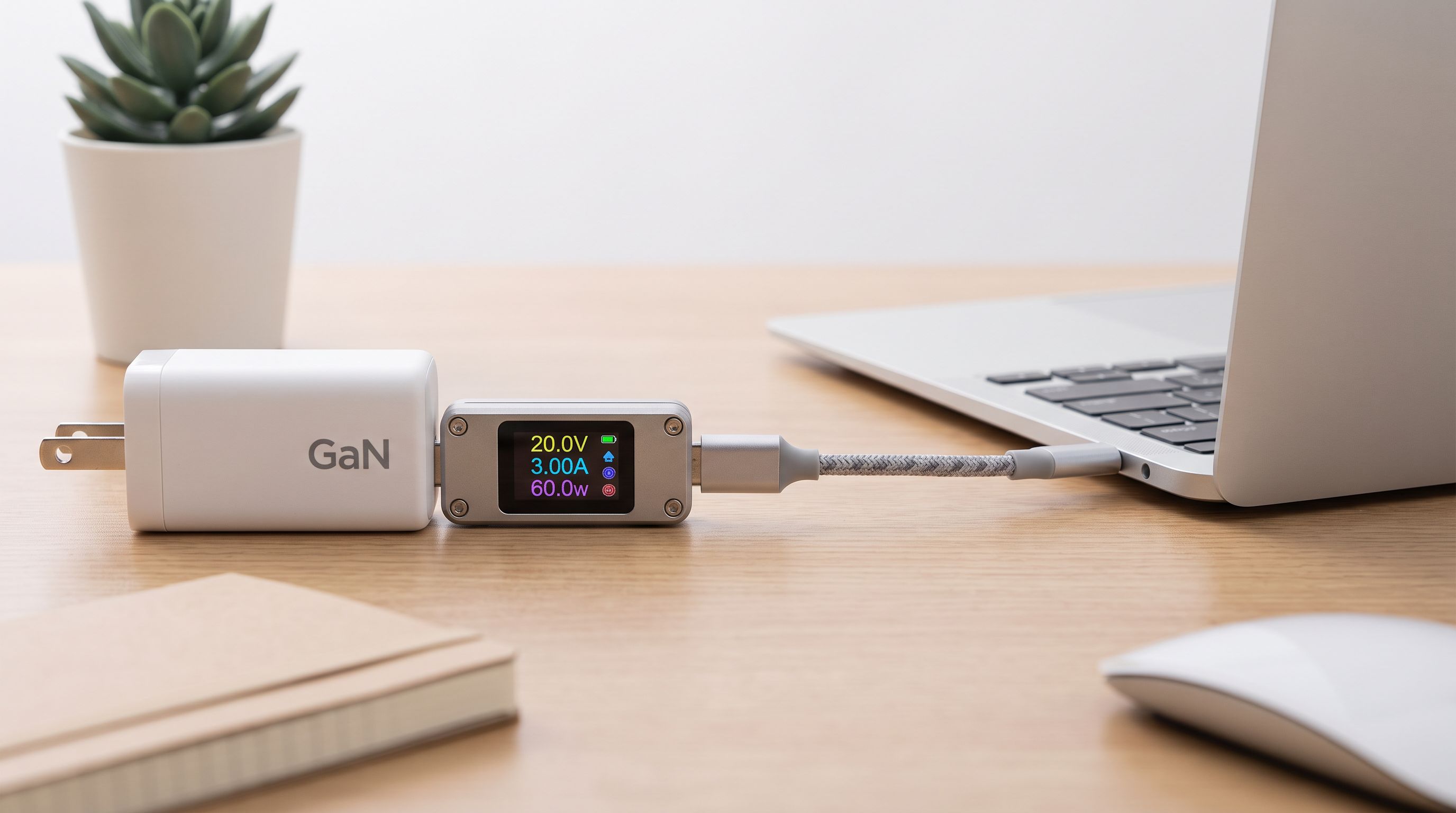
USB-C Cable Tester Picks for 2026: Find the Fakes Fast
Which usb-c cable tester actually reveals 240W EPR support, e-marker data and real data speeds? We compared four worth owning in 2026, from $15 meters to lab tools.
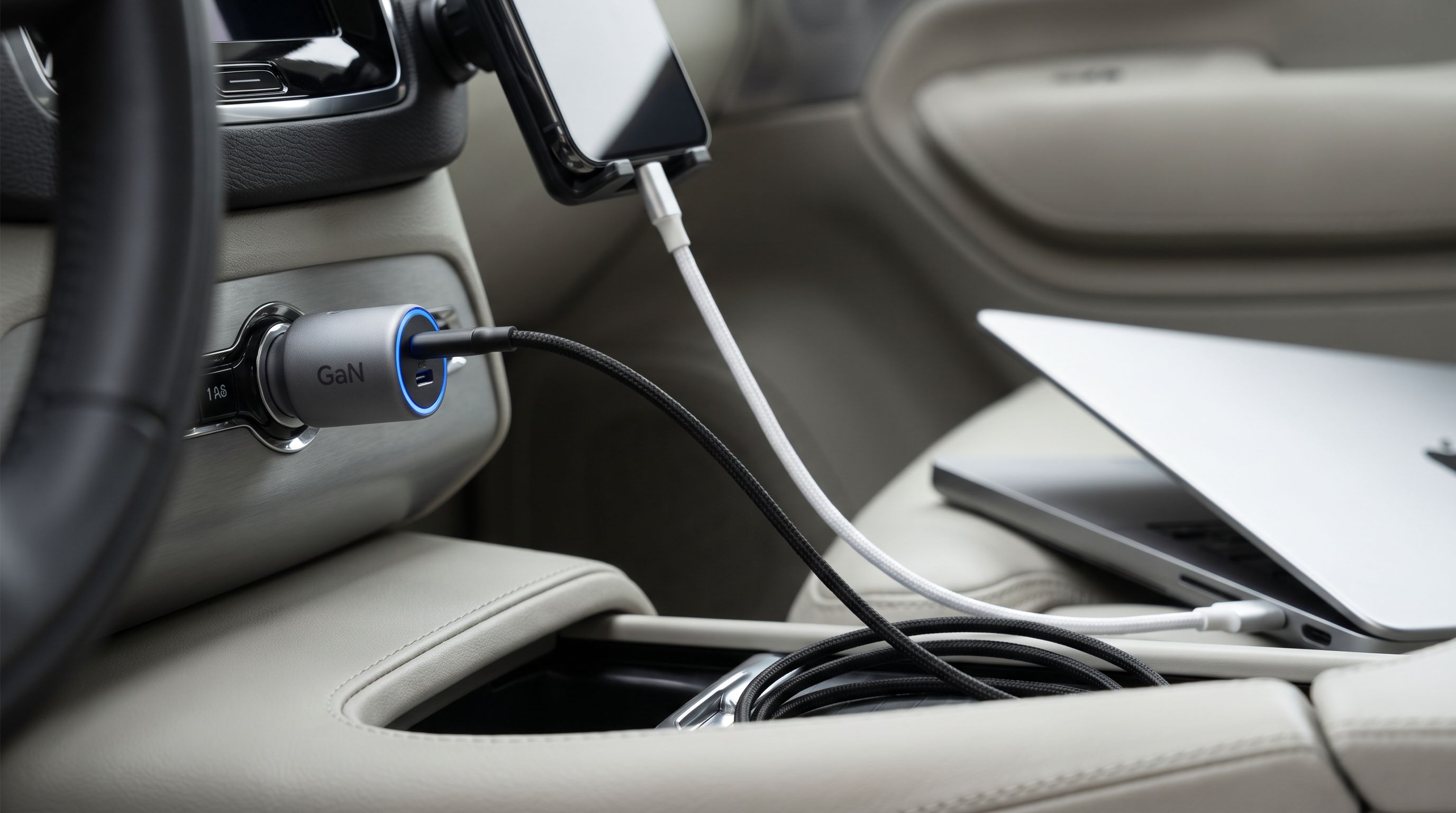
USB-C Car Chargers in 2026: 5 Picks That Hit 65W+
The best USB-C car charger 2026 picks for laptops and phones: GaN multi-port models, real PD wattage splits, socket fit and the cables you actually need.
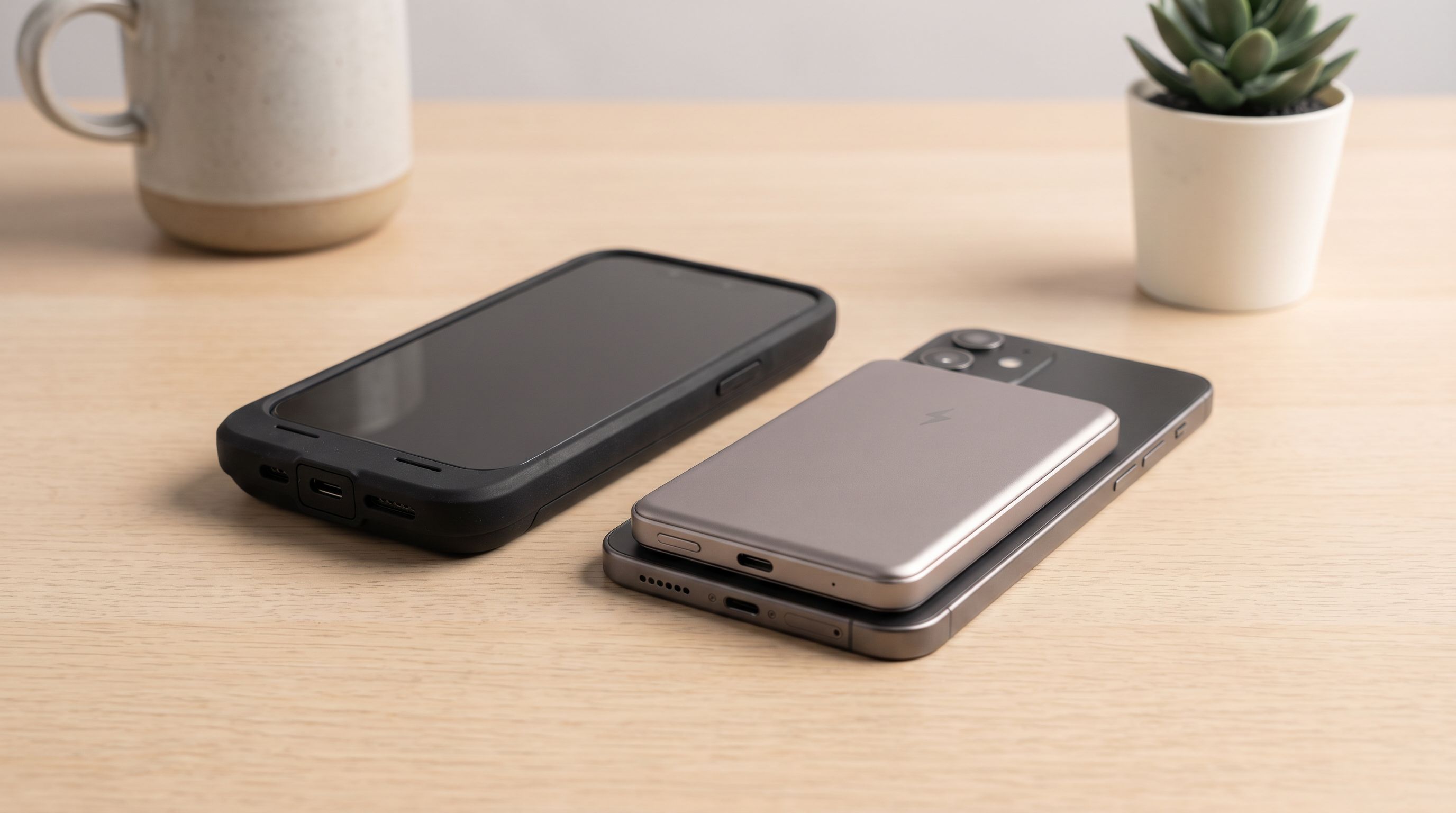
Phone Battery Case 2026: Does It Still Beat Qi2?
Phone battery case vs Qi2 magnetic power bank in 2026: we compare capacity, bulk, heat and charging speed using listed specs and verified owner feedback.