Prime Big Deal Days 2026: Laptop Deals Worth The Wait
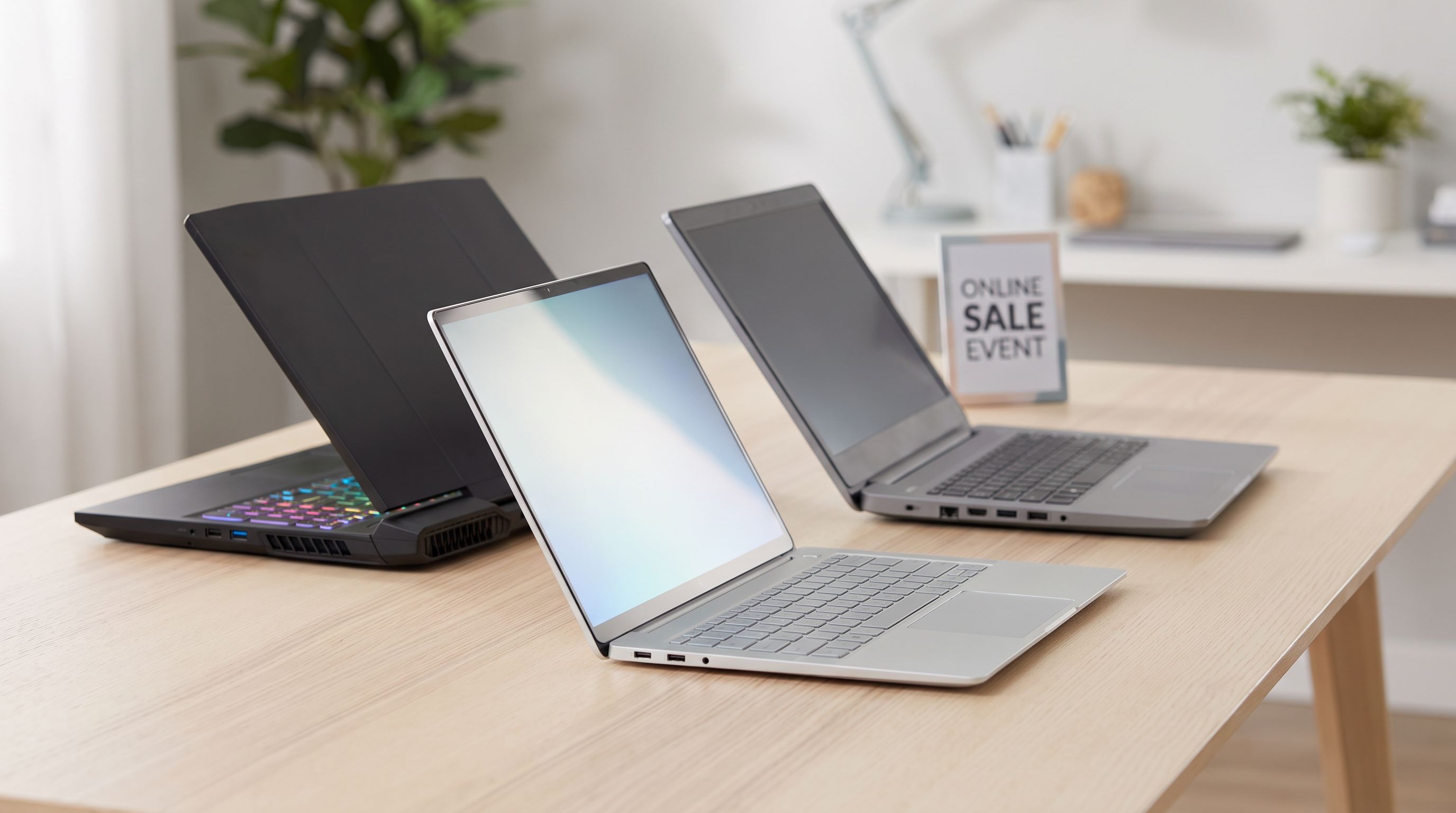
Prime Big Deal Days 2026 runs Oct 6–7. Here's which budget, everyday and gaming laptops are worth watching, what a real discount looks like, and how to spot fake "was" prices.
Reader-supported: we may earn a commission from links on this page, at no extra cost to you. It never affects our picks. Learn more.
Amazon's Prime Big Deal Days 2026 is a 48-hour event running October 6–7, 2026, kicking off at 12:01 a.m. Pacific on October 6. It's Prime-member only, and — as usual — a trickle of "early deals" is already live in mid-to-late September. That early wave is where most bad laptop purchases happen, so it's worth knowing what you're looking at before you spend.
We researched this category the way we always do at BytePlaza: comparing manufacturer specs, independent reviews and verified owner feedback, plus the pricing patterns these models have shown in previous Amazon events. We don't physically test units, and we're not going to quote you prices that may not exist by the time you read this.
What a genuinely good laptop discount looks like
Laptops are one of the most price-manipulated categories on Amazon, because the "list price" on a Windows laptop is often a number the manufacturer invented and nobody ever paid.
Here's a realistic frame for October 2026:
- Budget Windows laptops (entry chips, 8GB RAM): these get discounted constantly. A 10–15% cut is noise. Look for the lowest price the specific configuration has ever hit, not a percentage.
- Mainstream thin-and-lights (Zenbook, IdeaPad Slim higher trims, Inspiron, Swift): a 15–25% drop from the genuine street price is a solid deal. 30%+ usually means a model is being cleared out — fine, if the specs still suit you.
- MacBooks: Apple doesn't do deep discounts. A $100–$200-class reduction off the current-generation Air is about the ceiling, and that's genuinely the time to buy. Anything advertised as "50% off a MacBook" is either an older generation or a misleading comparison.
- Gaming laptops: the most volatile category. Real reductions of 20–30% happen when a GPU generation is turning over. But check what GPU you're actually getting — a big discount on a last-gen mid-tier card can still be worse value than a modest discount on the current one.
The single most useful habit: judge the final price against similar specs today, not against the crossed-out number.
How to avoid fake "was" prices
Amazon has tightened up on strikethrough pricing, but the workarounds are everywhere. Three checks take about 90 seconds:
1. Look at the price history. Browser extensions and price-tracking sites (CamelCamelCamel, Keepa) show whether a laptop sat at the "sale" price for weeks before the event. If the "deal" price matches the 90-day average, it isn't a deal.
2. Read the strikethrough label carefully. Amazon shows several forms: a List Price (manufacturer's MSRP, often fictional), a Was Price (based on recent Amazon selling prices, more trustworthy), and Typical price. "List Price" on a no-name 15.6-inch laptop is close to meaningless.
3. Check the exact configuration. This is the big one for laptops. Sellers create near-identical listings — same model name, different CPU, RAM, storage or screen. A discounted "Zenbook 14" might be a previous-generation chip with half the storage. Scroll to the spec table and confirm the processor generation, RAM amount (and whether it's soldered), SSD size and panel resolution/refresh rate.
A fourth, category-specific trap: RAM on modern Windows laptops is frequently non-upgradeable. An 8GB machine at a great price is a machine you'll be frustrated by in two years. For 2026, treat 16GB as the practical minimum for anything you want to keep beyond casual use.
The models most worth watching
Budget: Lenovo IdeaPad Slim 3i
 Budget pick · Lenovo IdeaPad Slim 3i — Check price on Amazon →
If you need a laptop for email, Google Docs, YouTube and light multitasking, the Lenovo IdeaPad Slim 3i is the sensible floor. It appears in Amazon's early deal rounds almost every cycle, and it's a known quantity rather than a mystery brand with a suspiciously high list price.
The catch is configuration sprawl. Entry versions ship with modest Intel N-series chips and small UFS storage — genuinely fine for a secondary or student machine, genuinely limiting as a main computer. If a Core i5/i7 configuration with 16GB RAM and a 512GB SSD drops meaningfully, that's the one to take.
Everyday: Apple MacBook Air 13-inch (M4) and ASUS Zenbook 14 OLED
 Best everyday Windows laptop · ASUS Zenbook 14 OLED — Check price on Amazon →
 Best overall · Apple MacBook Air 13-inch (M4) — Check price on Amazon →
For most people buying one laptop to use for four or five years, the MacBook Air 13-inch (M4) is the default answer: fanless, excellent battery life, strong resale value. It discounts modestly but predictably around Amazon events. Note that Apple's newest Air generation typically launches in spring, so October is often a good window for the outgoing model at its lowest price — check which chip you're actually being sold.
On the Windows side, the ASUS Zenbook 14 OLED is the model we'd watch hardest. OLED contrast, a genuinely portable chassis, and enough CPU headroom for real work. It's also one of the most frequently discounted premium thin-and-lights, which means the "was" price is more likely to reflect reality.
Gaming: Lenovo Legion 5i and ASUS ROG Zephyrus G14
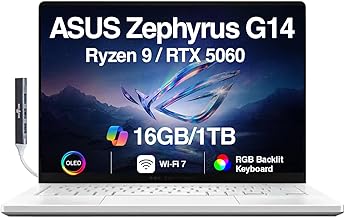 Premium pick · ASUS ROG Zephyrus G14 — Check price on Amazon →
 Best gaming laptop to watch · Lenovo Legion 5i — Check price on Amazon →
The Lenovo Legion 5i is the mainstream gaming pick: decent cooling, high-refresh display, and a design that prioritises sustained performance over thinness. It's a perennial Prime Day price-drop candidate.
The ASUS ROG Zephyrus G14 is the premium option — small, well-built, OLED, and rarely cheap. Because it holds its price, a real reduction during Prime Big Deal Days 2026 is worth more than a bigger percentage off a bulkier machine.
For both: the GPU is the deal. Ignore RGB, ignore "gaming" branding on the chassis. Confirm the exact GPU model and, if listed, its total graphics power — the same GPU name can perform very differently between a thin laptop and a thicker one.
Quick comparison
| Pick | Best for | Watch out for | What counts as a good deal |
|---|---|---|---|
| Lenovo IdeaPad Slim 3i | Students, second machines, basic use | Low-end N-series CPUs, 8GB soldered RAM, small UFS storage | Near its all-time low on a 16GB/512GB config |
| Apple MacBook Air 13" (M4) | Most people; long-term everyday use | Which chip generation the listing actually is; 256GB base storage | A meaningful cut off current street price — Apple doesn't go deeper |
| ASUS Zenbook 14 OLED | Work, travel, screen quality | Multiple near-identical configs with different CPUs | Roughly 15–25% off genuine street price |
| Lenovo Legion 5i | Mainstream 1080p/1440p gaming | Last-gen GPU sold at "new" pricing | 20%+ off with a current-gen GPU |
| ASUS ROG Zephyrus G14 | Portable gaming + creative work | Rarely discounted; base configs can be RAM-limited | Any solid drop — it holds value |
A simple plan for October 6–7
- Now (late September): shortlist two or three exact configurations, not model families. Save the product pages.
- Start tracking price history on those listings so you have a baseline before the event.
- Set the alarm sensibly. Deals start 12:01 a.m. Pacific on October 6, but the event runs a full 48 hours. Lightning-deal FOMO is how people buy the wrong spec.
- Cross-check one competitor (Best Buy, Walmart, the manufacturer's own store) before checking out. Laptop pricing frequently matches across retailers during Amazon events.
- Check the return window. Amazon's standard window plus holiday extensions is your safety net if the machine doesn't live up to the listing.
And the honest advice: if nothing on your shortlist hits a price that's clearly better than today's, don't buy. Black Friday follows roughly seven weeks later, and laptops are one of the few categories where waiting genuinely tends to pay.
FAQ
Do I need Prime to get the deals? Yes. Prime Big Deal Days is a Prime-member-only event. Amazon typically offers a free trial, which is a legitimate way in if you're buying one significant item.
Are the early September deals worth taking? Sometimes, but historically the early wave on laptops is thin — reviewers covering previous events have flagged early laptop discounts as notably weak. Unless a specific configuration hits its all-time low, wait for October 6–7.
Is Prime Big Deal Days better than Black Friday for laptops? For laptops specifically, Black Friday usually edges it, especially on gaming machines and back-catalogue clearance. October is better if you need the laptop now or you're targeting a model that's about to be replaced.
How much RAM should I insist on in 2026? 16GB for anything you plan to keep long-term. RAM is soldered on most thin laptops, so it's the one spec you can't fix later. Storage, by contrast, can often be supplemented with an external SSD.
Should I buy a "renewed" laptop during the sale? Only from Amazon Renewed with a clear guarantee, and only if the price gap is large. Battery health is the unknown on used laptops, and it's the component most likely to disappoint.
Our picks
Apple 2026 MacBook Air 13-inch Laptop with M5 chip: Built for AI, 13.6-inch Liquid Retina Display, 24GB Unified Memory, 1TB SSD, 12MP Center Stage Camera, Touch ID, Wi-Fi 7; Starlight
The default recommendation for most people: silent, long battery life, and it discounts reliably during Amazon sales.
Lenovo IdeaPad Slim 3i • 15.6" FHD Laptop with Microsoft Office Included • Intel N100 • 4GB DDR5 • 128GB SSD • 1TB Cloud Storage • Win 11
A sane sub-$500-class Windows laptop for browsing, docs and streaming — check the RAM and storage before you buy.
ASUS Zenbook 14 Laptop 14" WUXGA OLED Touch (500nits HDR, 100% DCI-P3) Intel 16-core Ultra 7 255H (Beats Ultra 9 185H) 16GB RAM 512GB SSD for Designer Business Professional Win11 ICP Acc
OLED screen, light chassis and strong battery life; one of the most consistently discounted premium thin-and-lights.
Lenovo Legion 5i – Gaming Laptop - Intel® Core™ i7-14700HX - 15" 2.5K WQXGA PureSight OLED Display–165Hz Refresh Rate–NVIDIA® GeForce RTX™ 5070 – 16 GB Memory – 1 TB Storage – 3 Months of PC GamePass
Mainstream RTX gaming laptop with good cooling and a high-refresh screen — a classic Prime Day price-drop candidate.
ASUS ROG Zephyrus G14 5060 Gaming Laptop 14.0" OLED 2.8K, Ryzen 9, 16GB/1TB
Compact 14-inch gaming laptop with an OLED panel; rarely cheap, which makes sale pricing genuinely meaningful.
Get the best tech deals in your inbox
Join the BytePlaza newsletter for hand-picked gadget deals and new buying guides. No spam, unsubscribe anytime.
Related reads
Best Mini PC 2026: Tiny Desktops That Punch Above
Our picks for the best mini PC in 2026, from Ryzen powerhouses to cheap home-server boxes — compared by performance, ports, upgradeability and noise.
Prime Big Deal Days 2026: Power Station Deals Worth Setting an Alarm For
Prime Big Deal Days 2026 runs Oct 6–7. Here's what a genuinely good discount looks like on portable power stations, power banks and fast chargers — plus the models to watch.
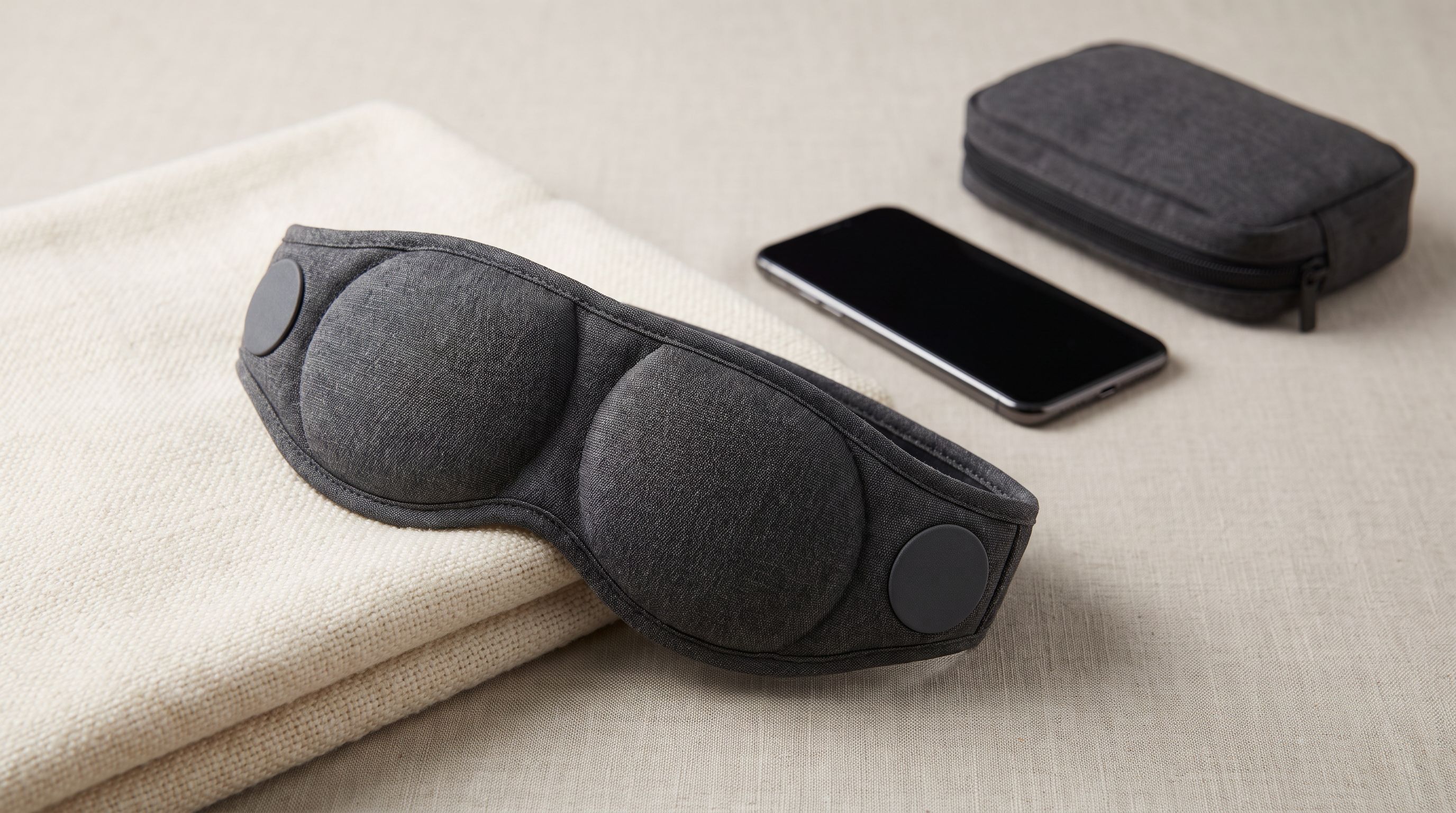
Smart Sleep Masks in 2026: 4 Picks That Earn Their Batteries
We compared smart sleep masks for 2026 on blackout fit, built-in audio, sunrise wake light and travel comfort — plus when a plain silk mask beats a smart one.