Best Handheld Gaming PC 2026: ROG Ally vs Steam Deck
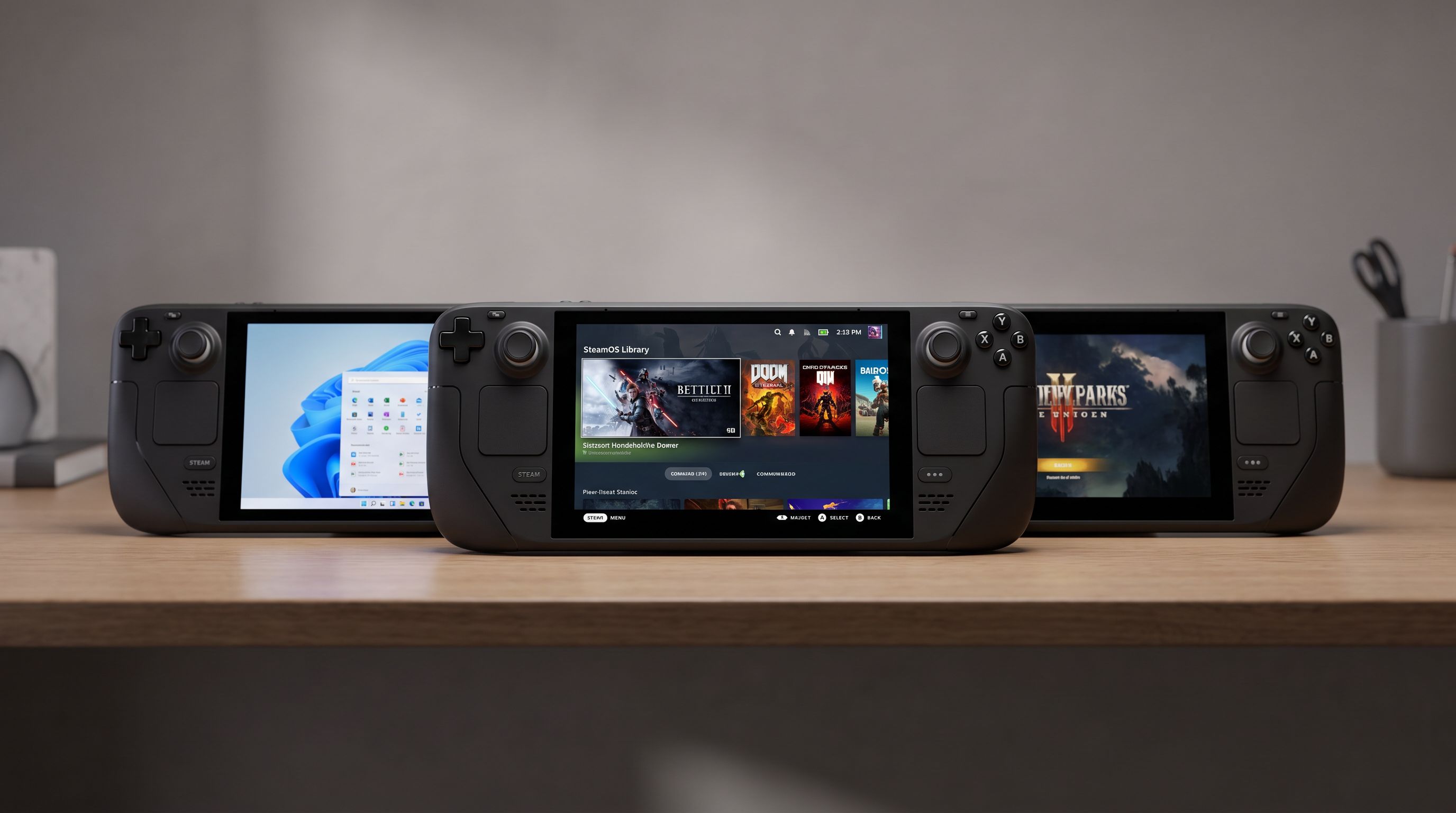
We compare the best handheld gaming PCs of 2026 — ROG Xbox Ally X, Steam Deck OLED, Legion Go S and more — on battery life, performance per dollar and screen quality.
Reader-supported: we may earn a commission from links on this page, at no extra cost to you. It never affects our picks. Learn more.
Handheld gaming PCs finally grew up. The awkward first generation — hot, loud, 90 minutes of battery, Windows menus designed for a mouse — has been replaced by devices that boot straight into a controller-friendly interface and last long enough for a flight. But the market also fragmented. You now choose an operating system before you choose hardware, and that decision matters more than any spec sheet number.
This guide ranks the best handheld gaming PCs you can actually buy right now, and settles the question most people are really asking: ROG Ally or Steam Deck?
The short answer
- Buy the ASUS ROG Xbox Ally X if you want the most performance and the widest game compatibility — including Game Pass, Battle.net, Epic and anti-cheat-heavy multiplayer titles that SteamOS still can't run.
- Buy the Valve Steam Deck OLED if you mostly play Steam games and value battery life, quiet operation, instant suspend/resume and a superb OLED panel over raw frame rates.
- Buy the Lenovo Legion Go S (SteamOS) if you love SteamOS but want a larger 120Hz screen and slightly roomier grips than the Deck.
 Best SteamOS alternative · Lenovo Legion Go S Handheld Gaming Console — Check price on Amazon →
 Best overall · ASUS ROG Xbox Ally X Gaming Handheld — Check price on Amazon →
Everything else in this guide is a variation on those three answers.
How we judged them
Three criteria drive this ranking, in this order:
Battery life under real load. Manufacturer claims are measured in idle menus. What matters is how long a handheld runs a demanding game at a wattage you'd actually use. Larger batteries help, but efficiency at low TDP helps more — which is why the Steam Deck, with far less peak horsepower, often outlasts more expensive rivals.
Performance per dollar. Peak performance is easy to buy. The interesting question is how much frame rate you get per dollar and per watt. A handheld that only shines at 30W is a handheld that only shines while plugged in.
Screen quality. OLED changed the category. Contrast, HDR highlights and near-instant pixel response make a 60fps game on an OLED feel better than a 90fps game on a mediocre LCD. Refresh rate and VRR matter too — VRR is the single most underrated feature in handheld gaming, because it smooths out the 40–55fps range where these machines actually live.
Windows vs SteamOS in 2026
This is the real fork in the road.
SteamOS is a console experience. It sleeps and wakes reliably, per-game performance profiles are built in, updates don't ambush you, and the whole UI was designed for a thumbstick. The trade-off: it's Linux with Proton in the middle. Most single-player games work, but kernel-level anti-cheat titles — a chunk of competitive multiplayer — often don't. Game Pass and other PC launchers require workarounds.
Windows handhelds used to be the compromise choice. The Xbox full-screen experience on the ROG Xbox Ally line changed that significantly: the device boots into a controller-native launcher that aggregates Steam, Game Pass, Epic and others, and it shuts down background Windows processes to free memory. It's still Windows underneath — you will occasionally see a desktop, a driver prompt, or a game that wants a mouse — but the gap has narrowed from "annoying" to "occasionally inelegant."
Rule of thumb: if your library is 90% Steam and you hate maintenance, go SteamOS. If you need Game Pass, launcher variety, or specific multiplayer games, go Windows.
Comparison at a glance
| Model | OS | Display | Best for | Watch out for |
|---|---|---|---|---|
| ASUS ROG Xbox Ally X | Windows 11 + Xbox full-screen | 7-inch 1080p 120Hz IPS, VRR | Maximum performance and compatibility | LCD, not OLED; heaviest of the group |
| Valve Steam Deck OLED 1TB | SteamOS | 7.4-inch 1280×800 HDR OLED, 90Hz | Battery life, quietness, value | Lowest raw performance; anti-cheat gaps |
| ASUS ROG Xbox Ally | Windows 11 + Xbox full-screen | 7-inch 1080p 120Hz IPS, VRR | Windows on a tighter budget | Noticeably slower than the X in heavy games |
| Lenovo Legion Go S (SteamOS) | SteamOS | 8-inch 1200p 120Hz IPS, VRR | Bigger SteamOS screen, comfort | Heavier than a Deck; LCD |
| Lenovo Legion Go 2 | Windows 11 | 8.8-inch OLED, high refresh, VRR | Best screen, detachable pads | Large, heavy, priciest option |
The picks, explained
ASUS ROG Xbox Ally X — best overall
The Ally X is the handheld most people should buy if they want one device that runs everything. Its AMD Ryzen AI Z2 Extreme silicon puts it at the top of the mainstream performance tier, and ASUS pairs it with a genuinely large battery — the reason it holds up better than earlier Ally models in long sessions.
What actually makes it feel good, though, is ergonomics and software. The contoured Xbox-style grips are the most comfortable of any handheld this size, and the Xbox full-screen experience means you press the power button, see a controller-friendly library, and start playing. AMD's frame generation and upscaling tools are integrated well enough that 1080p at 60fps is realistic in many modern games at moderate wattage.
Its weakness is the screen: a very good 120Hz VRR IPS panel, but next to an OLED it looks flat. If you're coming from a Switch OLED or a Steam Deck OLED, you'll notice.
Valve Steam Deck OLED 1TB — best battery life and value
Two years on, the Steam Deck OLED remains the most satisfying handheld to use. It is not the fastest — newer chips beat it comfortably in raw benchmarks — but Valve tuned the whole system for efficiency, and the result is a device that plays a large slice of the Steam catalogue at 45–60fps while running quietly and cool.
The 90Hz HDR OLED screen still looks better than almost anything else at this size. Suspend/resume works like a console: close the lid mid-mission, come back tomorrow, continue. Per-game TDP and frame-rate caps are two taps away. And because the Deck is a fixed hardware target, developers and the community optimise for it specifically.
Choose the 1TB model. Handheld game installs are enormous, and while the microSD slot helps, load times on internal NVMe are meaningfully better.
ASUS ROG Xbox Ally — best mid-range Windows pick
The non-X Ally shares the chassis, the 120Hz VRR display and the Xbox interface, with a less powerful chip and a smaller battery. That sounds like a downgrade, and in demanding AAA games it is. But at the settings most people actually play at — 720p–900p, medium presets, 40–60fps caps — the difference shrinks considerably, and the lower-power chip is efficient.
It's the sensible pick if you want Windows flexibility and Game Pass but don't need to brute-force the newest releases.
Lenovo Legion Go S (SteamOS) — best SteamOS alternative
The first non-Valve handheld to ship with SteamOS officially, the Legion Go S gives you Valve's software on an 8-inch, 120Hz, variable-refresh display with more traditional grips. If the Deck's screen feels small or its shape feels wide, this is your device. You give up a little battery efficiency and gain screen real estate and comfort.
Lenovo Legion Go 2 — premium pick
For people who want the biggest, brightest handheld experience: an 8.8-inch OLED, detachable controllers, high-end AMD silicon and a build that feels like a portable console rather than a toy. It's heavy and expensive, and battery life suffers when you push that big panel and chip hard. But no other handheld matches its screen.
Practical buying advice
- Cap your frame rate. A 40fps cap with VRR looks smooth and can nearly double battery life versus uncapped play.
- Budget for storage and a case. A 1TB or 2TB microSD card and a hard case are effectively mandatory accessories.
- Check anti-cheat support before buying SteamOS. Sites tracking Proton compatibility will tell you in 30 seconds whether your main multiplayer game works.
- Docking is not free performance. Plugging in raises the power ceiling but these are still ~15–35W chips; treat TV play as a bonus, not a desktop replacement.
FAQ
Is the ROG Ally better than the Steam Deck? In raw performance and game compatibility, yes — the ROG Xbox Ally X is clearly faster and runs Game Pass and anti-cheat titles the Deck can't. In battery life, screen quality per dollar and day-to-day polish, the Steam Deck OLED still wins. Pick based on your library, not benchmarks.
How long do handheld gaming PCs actually last on battery? Realistically, roughly 1.5 to 3 hours in demanding 3D games, and 5–8 hours in 2D or older indie titles with a frame cap. Capping frame rates and lowering TDP is the biggest lever you have.
Can I install Windows on a Steam Deck, or SteamOS on an Ally? Windows on a Steam Deck is possible but the drivers and touch experience are rough. SteamOS on non-Valve hardware is officially supported on select devices like the Legion Go S; community images exist for others but expect quirks.
Do I need a 1080p handheld screen? Not necessarily. At 7–8 inches, 1280×800 or 1200p often gives a better performance-per-watt balance. 1080p is worth it if you plan to dock to a TV or run older, lighter games.
Is now a good time to buy? Yes. The current generation of AMD Z2-class chips delivers a real efficiency jump over the first wave, and SteamOS licensing to third parties means the software situation is stable rather than in flux.
Our picks
ASUS ROG Xbox Ally X Gaming Handheld, 7” FHD 120Hz, AMD Ryzen AI Z2 Extreme, 24 GB LPDDR5, 1TB SSD, Win 11, Long Battery Life 22.3 Hours, Portable Weight, Black (Japan Version)
The most powerful mainstream Windows handheld, with a proper Xbox full-screen interface and big battery.

Valve Steam Deck OLED 1TB Handheld Gaming Console
SteamOS suspend/resume plus a gorgeous HDR OLED screen make it the easiest handheld to actually live with.

ASUS ROG Flow Z13 2.5K 180Hz 3ms ROG Nebula Touchscreen 13.4" Convertible 2-in-1 Gaming Notebook AMD Ryzen AI MAX+ 395 32GB RAM 1TB SSD Off Black
Same great ergonomics and 120Hz screen as the Ally X for less, if you keep settings sensible.
Lenovo Legion Go S Handheld Gaming Console, 16GB RAM 1TB SSD, Steam OS, 8" 120Hz IPS LCD Touch Screen, AMD Ryzen Z2 Go, with GSF Kit
An official SteamOS handheld with a bigger 120Hz VRR display and comfier grips than the Deck.

Lenovo Legion Go 2 – Mobile Gaming Console – AMD Ryzen Z2 CPU – 8.8" WQXGA PureSight OLED Display – 144Hz – Integrated AMD Radeon™ Graphics – 16GB Memory – 1TB Storage – Fingerprint Reader | Mobile Gaming Console, Featuring 144Hz Display, Integrated AMD Radeon Graphics, 16GB RAM, 1TB Storage, and Fingerprint Reader
Huge 8.8-inch OLED, detachable controllers and top-tier AMD silicon for people who want everything.
Get the best tech deals in your inbox
Join the BytePlaza newsletter for hand-picked gadget deals and new buying guides. No spam, unsubscribe anytime.
Related reads
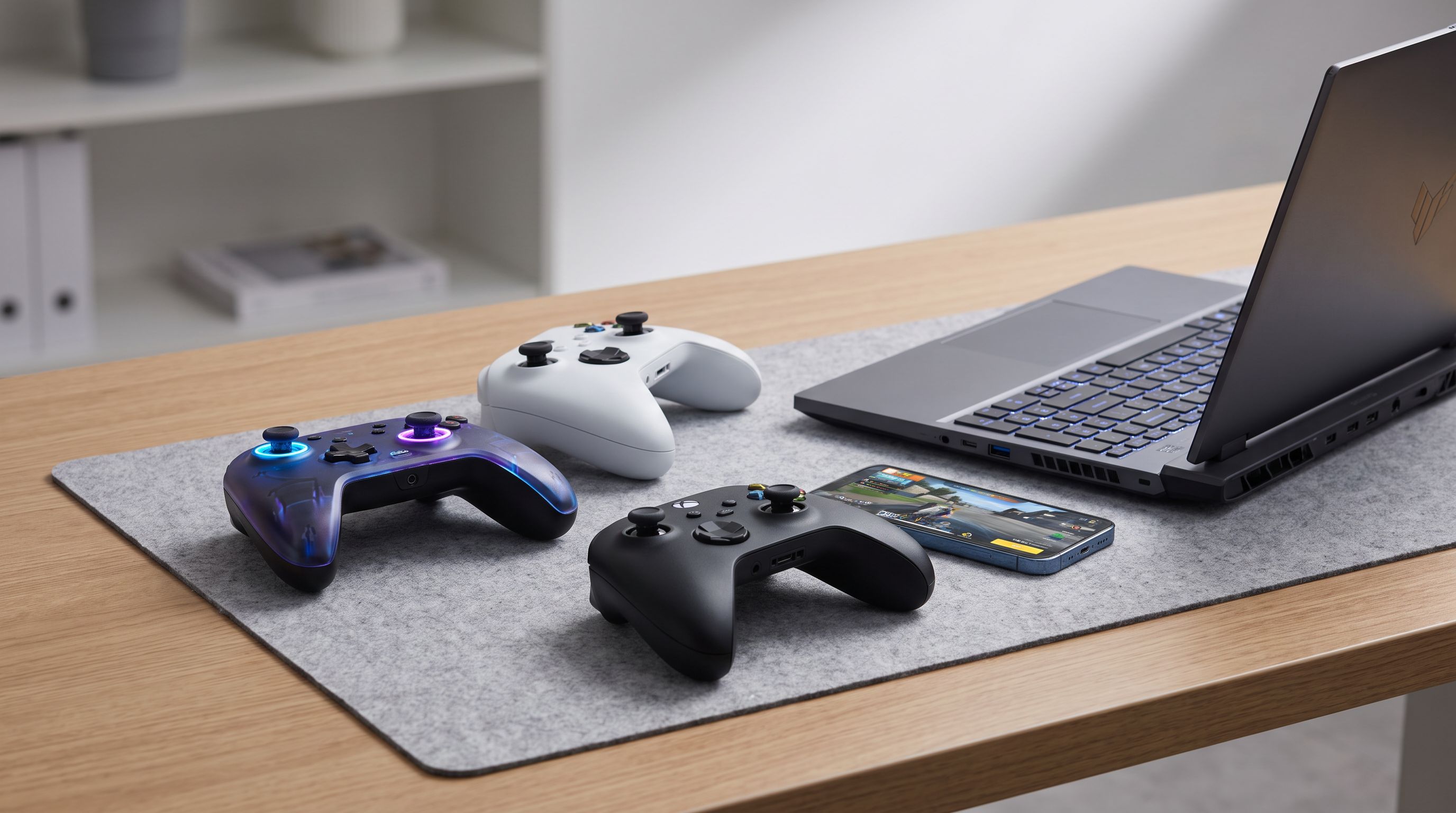
Wireless Game Controllers in 2026: 5 Picks for PC & Mobile
Hall-effect and TMR sticks, 2.4GHz vs Bluetooth latency, and multi-device pairing compared — our picks for the best wireless game controller in 2026 for PC and mobile.
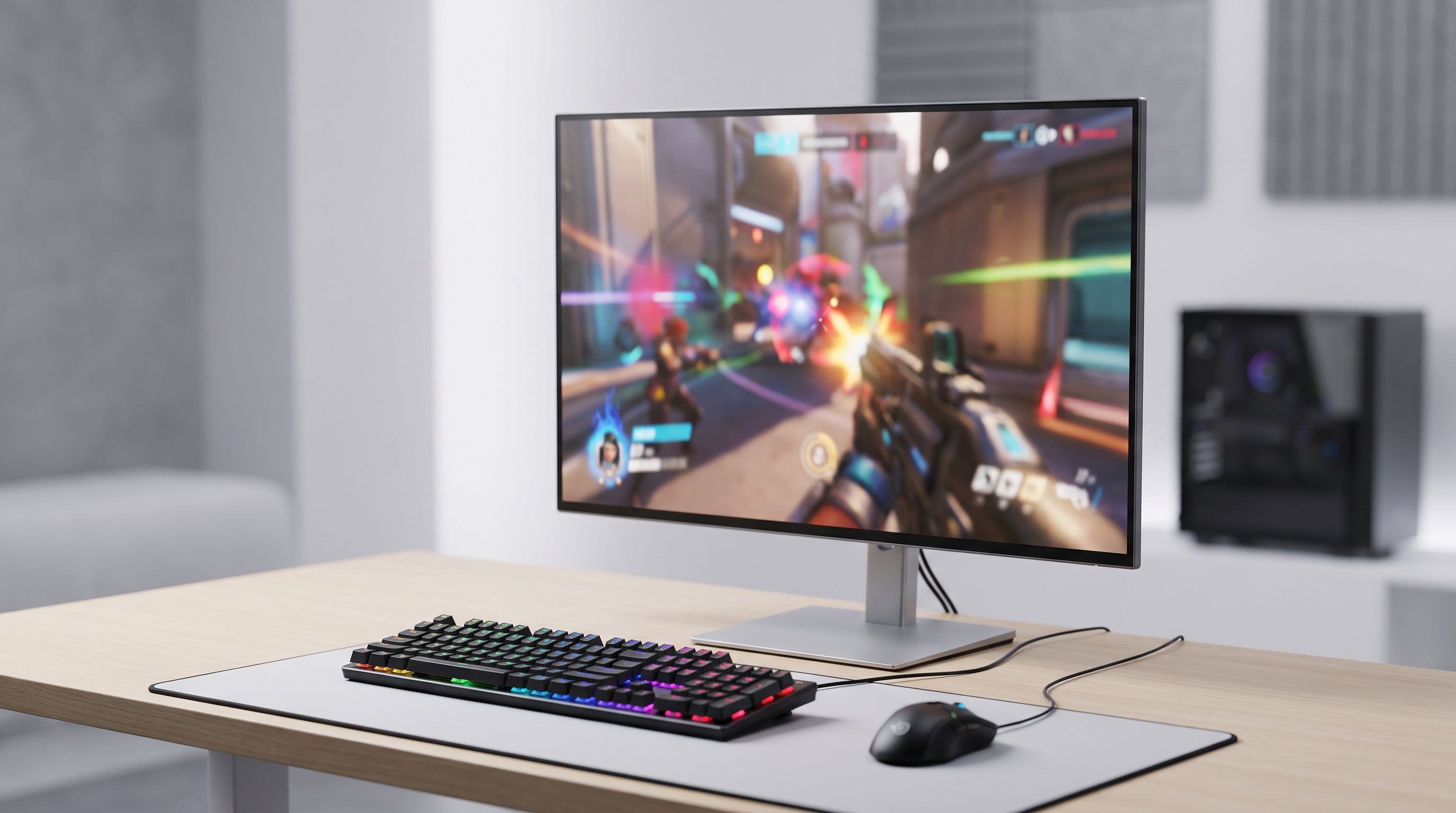
1440p 180Hz on a Budget: The Best Cheap Gaming Monitors 2026
Looking for the best budget gaming monitor in 2026? We compared fast 1440p IPS panels at 165–200Hz to find the value picks worth buying instead of OLED.
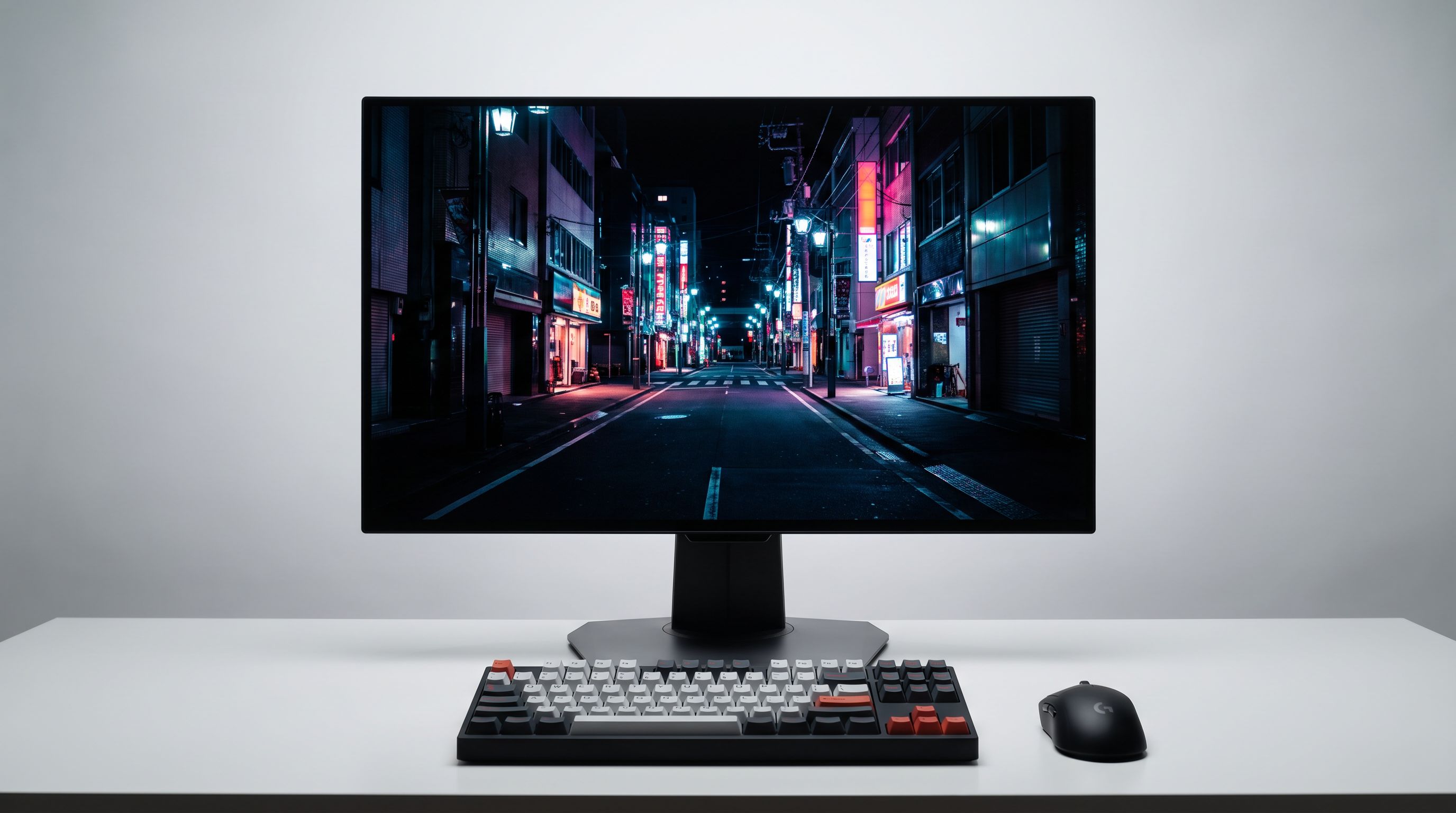
Best OLED Gaming Monitor 2026: 240Hz Top Picks
The best OLED gaming monitor picks for 2026, from 4K 240Hz QD-OLED flagships to 1440p WOLED value buys — compared on brightness, burn-in cover and price.