AI Agents in the Smart Home, Explained (2026)
Alexa+, Gemini for Home and Home Assistant are turning rigid routines into AI agents. Here's what actually ships in 2026 — and what to buy now.
Reader-supported: we may earn a commission from links on this page, at no extra cost to you. It never affects our picks. Learn more.
The smart home's dirty secret was never the hardware
For a decade, the smart home's weak link wasn't the bulbs, the locks or the sensors. It was the logic layer. You bought a $200 hub, spent a Saturday pairing devices, then built a routine that said: if motion after sunset, turn on hall light at 40%. Six months later you were still manually overriding it, because "after sunset" doesn't know you're on vacation, and "motion" doesn't know the difference between you and the dog.
The pitch in 2026 is that generative AI fixes exactly this gap. Instead of writing brittle if-this-then-that rules, you describe what you want in plain language, and an agent assembles the automation, watches whether it worked, and adjusts. That's the promise. The reality, based on reviews and vendor announcements over the past year, is messier and far more interesting than either the marketing or the backlash suggests.
What's actually happening now
Three things changed at roughly the same time, and they compound.
First, the big assistants got LLM transplants. Amazon's Alexa+ is the clearest example: a rebuilt, generative-AI version of Alexa that Amazon has positioned as able to handle multi-step, conversational requests rather than single commands, and that rolled out progressively across Echo devices for Prime members. Google followed with Gemini for Home, replacing the aging Google Assistant on Nest speakers and displays with a Gemini-powered experience, including natural-language camera search and descriptive event summaries. Apple has been the slow mover — the long-promised more personal, App Intents–driven Siri has slipped publicly, and Apple Home remains the most conservative of the three.
Second, Matter finally made the plumbing boring. An agent is only as good as the devices it can actually reach, and Matter plus Thread means a reasonably modern lock, plug or sensor can be controlled by more than one ecosystem at once. That matters enormously: the AI layer and the device layer are decoupling.
Third — and this is the part enthusiasts care about — local AI got practical. Running small models on your own hardware with tools like Ollama is now a weekend project rather than a research exercise, and Home Assistant has leaned hard into local voice and LLM integrations, including the option to point its conversation agent at a model you host yourself. The privacy argument stopped being theoretical the moment the alternative was a cloud assistant that listens, summarizes and stores.
Vendors are also putting agents into appliances, with varying credibility. LG showed ThinQ Claw at CES as an AI agent for its next-generation home platform; Samsung continues to push SmartThings with Bixby-era AI features baked into fridges and TVs. Treat appliance-embedded agents as announcements, not as a solved product category.
The real players, and what ships
Here's the honest state of play as of 2026.
| Platform | AI layer | Where it runs | Best fit |
|---|---|---|---|
| Amazon Alexa+ | Generative Alexa, conversational multi-step requests | Cloud | Households already deep in Echo; widest device compatibility |
| Google Gemini for Home | Gemini replacing Assistant on Nest speakers/displays | Cloud | Nest cameras, natural-language video search |
| Apple Home | Siri, with the rebuilt version delayed | Mixed, privacy-forward | Privacy-first users who want less, done reliably |
| Samsung SmartThings | Bixby/AI features, broad Matter support | Cloud + hub | Samsung appliance and TV owners |
| Home Assistant | Bring-your-own LLM, local voice pipeline | Local | Tinkerers who want automation without the cloud |
The practical takeaway is that nobody wins on all axes. Cloud agents are smarter today because they run large models; local setups are more private and keep working when your internet does not.
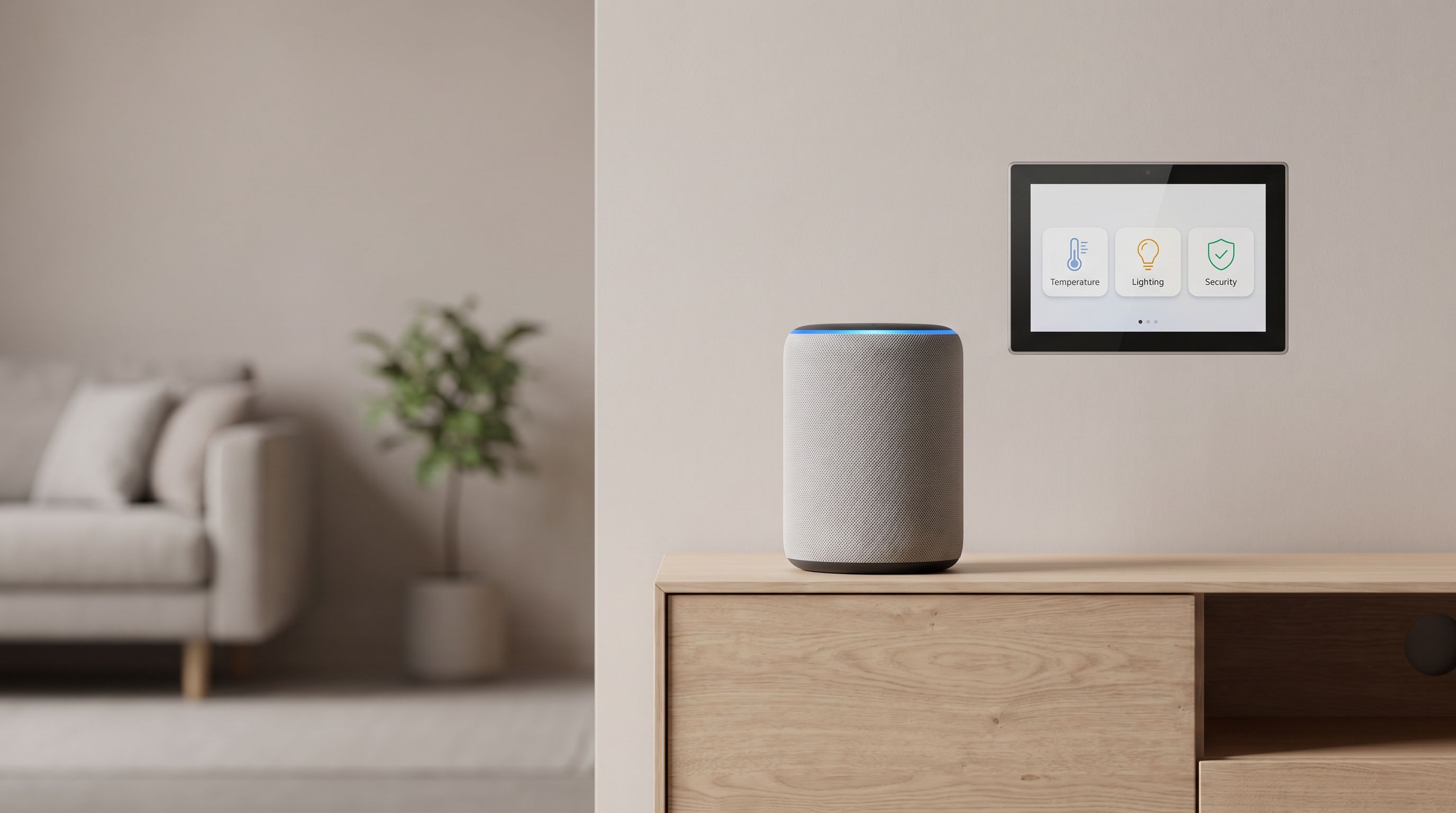
If you want the flagship agentic experience with the least friction, the Amazon Echo Show 11 is the device Amazon built around the new Alexa+ generation — a smart display where conversational requests, visual responses and camera feeds sit in one place. On the Google side, the Google Nest Hub Max remains the big-screen anchor for Gemini for Home, and it's the natural centerpiece if your cameras and doorbells are Nest.
 Best for the Gemini ecosystem · Google Nest Hub Max — Check price on Amazon →
 Closest you can buy today · Amazon Echo Show 11 — Check price on Amazon →
For the local camp, Home Assistant Green is the lowest-friction way in: a small appliance that boots straight into Home Assistant, no Raspberry Pi assembly required, and that can run your automations entirely on your network while optionally calling out to a model you choose. Pair it with a strong Matter controller like the Aqara Hub M3, which bridges Zigbee and Thread devices and keeps local automations running when the cloud is unreachable — a combination Reddit's smart home crowd has been recommending alongside Hubitat for exactly this reason.
 Strongest Matter bridge · Aqara Hub M3 — Check price on Amazon →
 Best for local, private automation · Home Assistant Green — Check price on Amazon →
What it means if you're shopping today
A few grounded conclusions.
Buy devices, not ecosystems. The agent layer is churning faster than hardware depreciates. A Matter-certified lock or sensor you buy in 2026 will likely outlive whichever assistant is currently winning. Prioritize Matter and Thread support on everything, and treat the voice front-end as swappable.
Assume the smart part is a subscription eventually. Alexa+ is tied to Prime for most users; Google's advanced Gemini home features sit behind its Home subscription tiers. Nobody is giving away large-model inference for free indefinitely. Budget for it or choose local.
Do not rip out working automations for an agent. The most reliable setups described by long-time users are hybrids: deterministic local rules for the things that must work (lights at night, door locks, thermostat schedules), with an AI layer on top for the fuzzy, conversational stuff — "did anyone come to the door while I was out," "make the living room cozy," "remind me to close the garage if it's still open at 11."
Expect agents to be best at retrieval, not control. On paper and in reviews, the standout wins so far are summarization and search: finding the clip where a package arrived, explaining what happened in the house today, drafting a routine for you. Autonomous, unsupervised control of locks and heating is still something vendors gate carefully, and for good reason.
What to watch next
Three signals worth tracking through 2026. One: whether Apple ships the rebuilt, App Intents–powered Siri, because that's the version that would let an agent act across third-party apps and HomeKit devices rather than just answer questions. Two: how fast local models close the capability gap — a small model running on a cheap box in your closet doesn't need to be GPT-class to route a lighting request correctly. Three: whether appliance makers' agents, like LG's ThinQ Claw concept, become shipping features or stay as CES set pieces.
The structural shift is already locked in, though. Routines were a programming language with a terrible IDE. Agents are an attempt to replace that with intent. Even a partial success changes who the smart home is for — which, for the first time, might include people who have no interest in maintaining it.
FAQ
Is an AI agent going to control my door locks automatically? Not by default. Major platforms gate lock and security actions behind explicit confirmation. Agents today are far more comfortable summarizing events than taking irreversible physical actions.
Does Alexa+ cost extra? Amazon has made Alexa+ available at no additional cost to Prime members, with a standalone price for non-Prime users. Check current terms before buying hardware on that basis.
Can I run this without the cloud? Partly. Home Assistant supports local voice pipelines and can be pointed at a self-hosted model via tools like Ollama. It's more work and currently less capable than cloud assistants, but it keeps working during an outage.
What's the single most future-proof thing to buy? Matter- and Thread-certified devices, plus a hub that does local control. That combination survives platform changes better than anything branded "AI" on the box.
Should I wait? If you need lights and a thermostat, no — buy Matter hardware now. If you specifically want an agentic assistant as the centerpiece, the honest answer is that this category is improving monthly, and today's flagship display will not be the last word.
Our picks
Amazon Echo Show 11 (newest model), Vibrant Full-HD 11" display with more viewing area and spatial audio, Designed for Alexa+, Graphite
Amazon's newest smart display is the showcase device for Alexa+ and its agentic routines.
Google Nest Hub Max, Japan Model, Multi Language Nest Hub 10-inch with English Compatibility, H2A GA00426-JP (Chalk)
The big-screen Nest hub that anchors Google's Gemini for Home rollout and camera feeds.
Home Assistant Green | Smart Home hub with Advanced Automation | Official Home Assistant Hardware
A plug-and-play Home Assistant box for people who want automations that run without the cloud.
Aqara Smart Home Hub M3 for Advanced Automation, Matter Controller, IR
Matter controller with local automation and Zigbee/Thread bridging that plays nicely with every platform.
Get the best tech deals in your inbox
Join the BytePlaza newsletter for hand-picked gadget deals and new buying guides. No spam, unsubscribe anytime.
Related reads
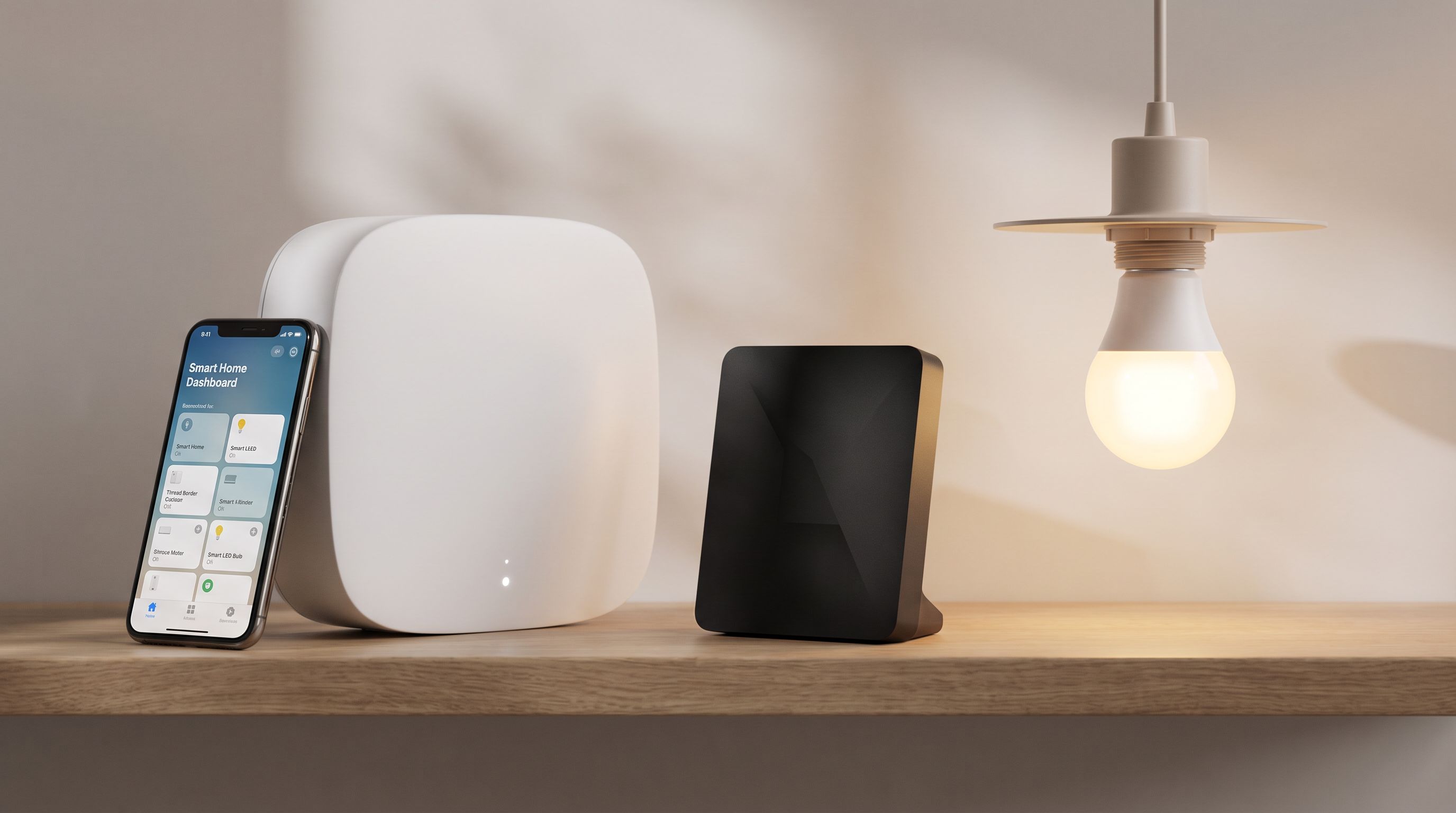
Matter and Thread, Explained: Is the Standard War Over?
Matter promised one smart-home language and Thread promised one mesh. Here's what actually works together now, what still breaks, and how to buy around the gaps.
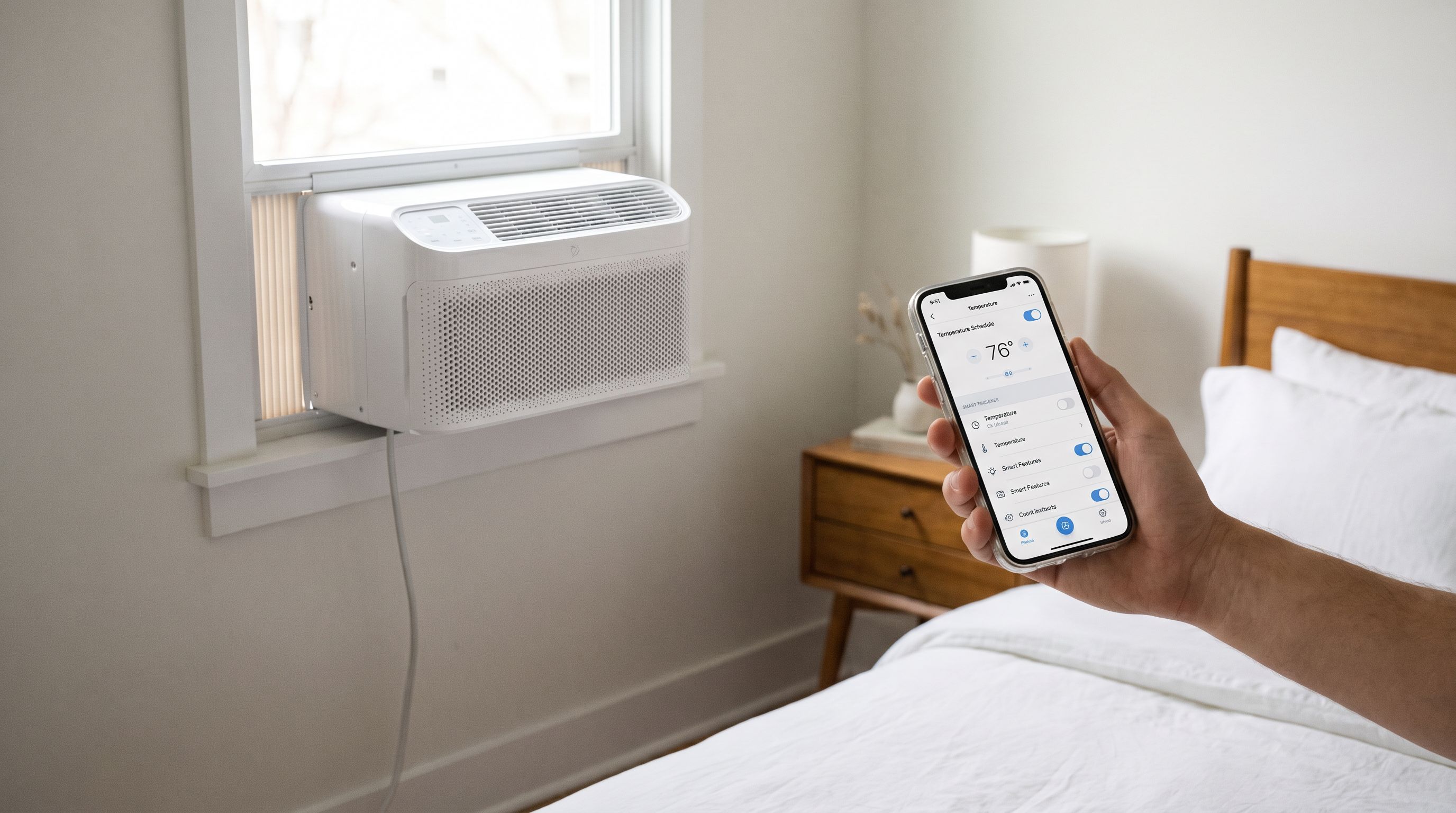
Smart Air Conditioners in 2026: 4 Picks Sized by Room
The best smart air conditioner depends on your window and your square footage. We compared Wi-Fi window and portable ACs on BTUs, noise, app control and Matter.
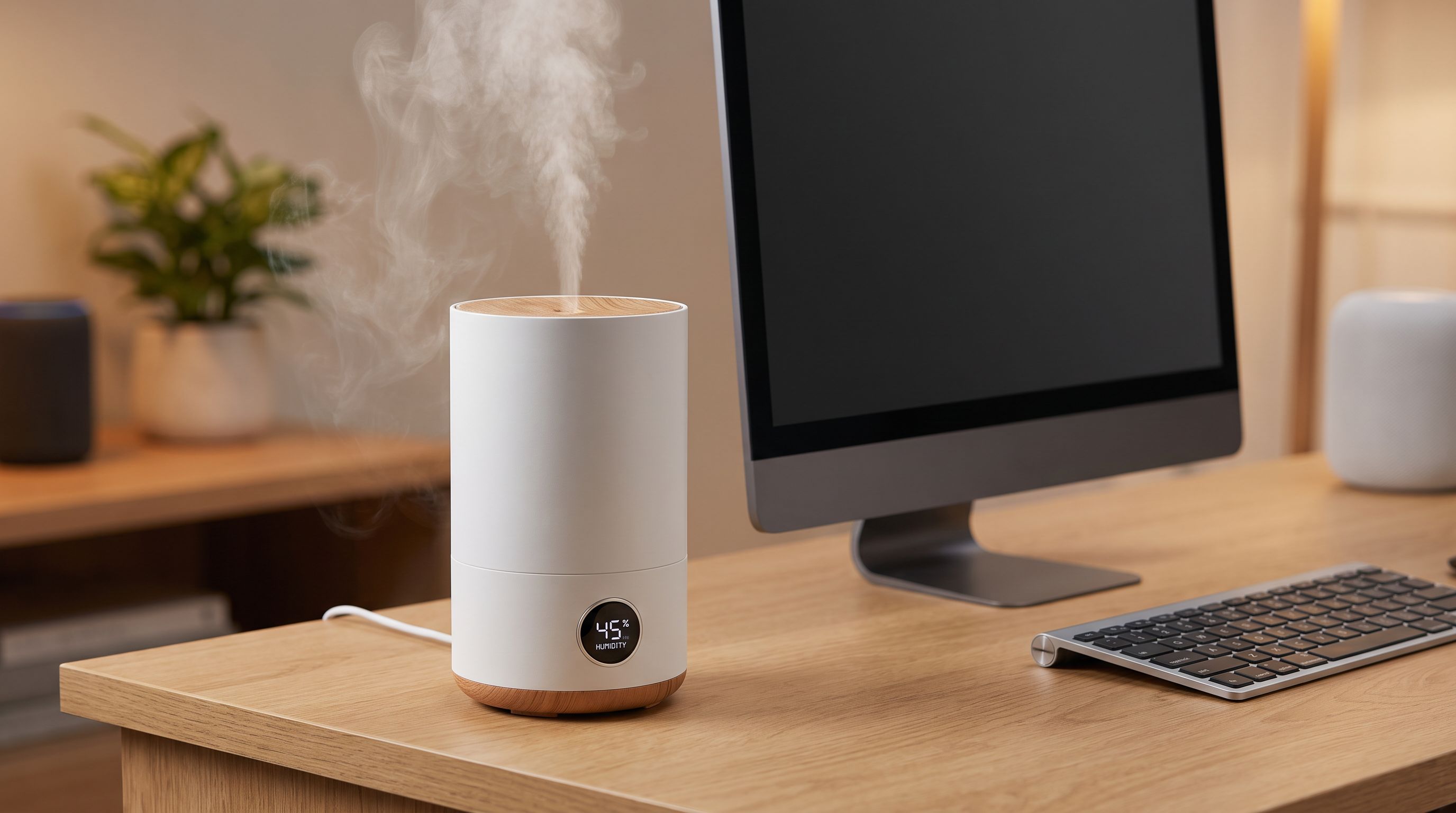
Smart Humidifiers in 2026: 4 Picks for a Bone-Dry Desk
Looking for the best smart humidifier in 2026? We compared hygrometer automation, tank size, cleaning hassle and app/Matter control for bedrooms and desks.