Spatial Audio Earbuds in 2026: When Head Tracking Is Worth It
Spatial audio earbuds in 2026: how Dolby Atmos, head tracking and 360 Reality Audio actually differ, which ecosystems do it best, and the picks worth buying.
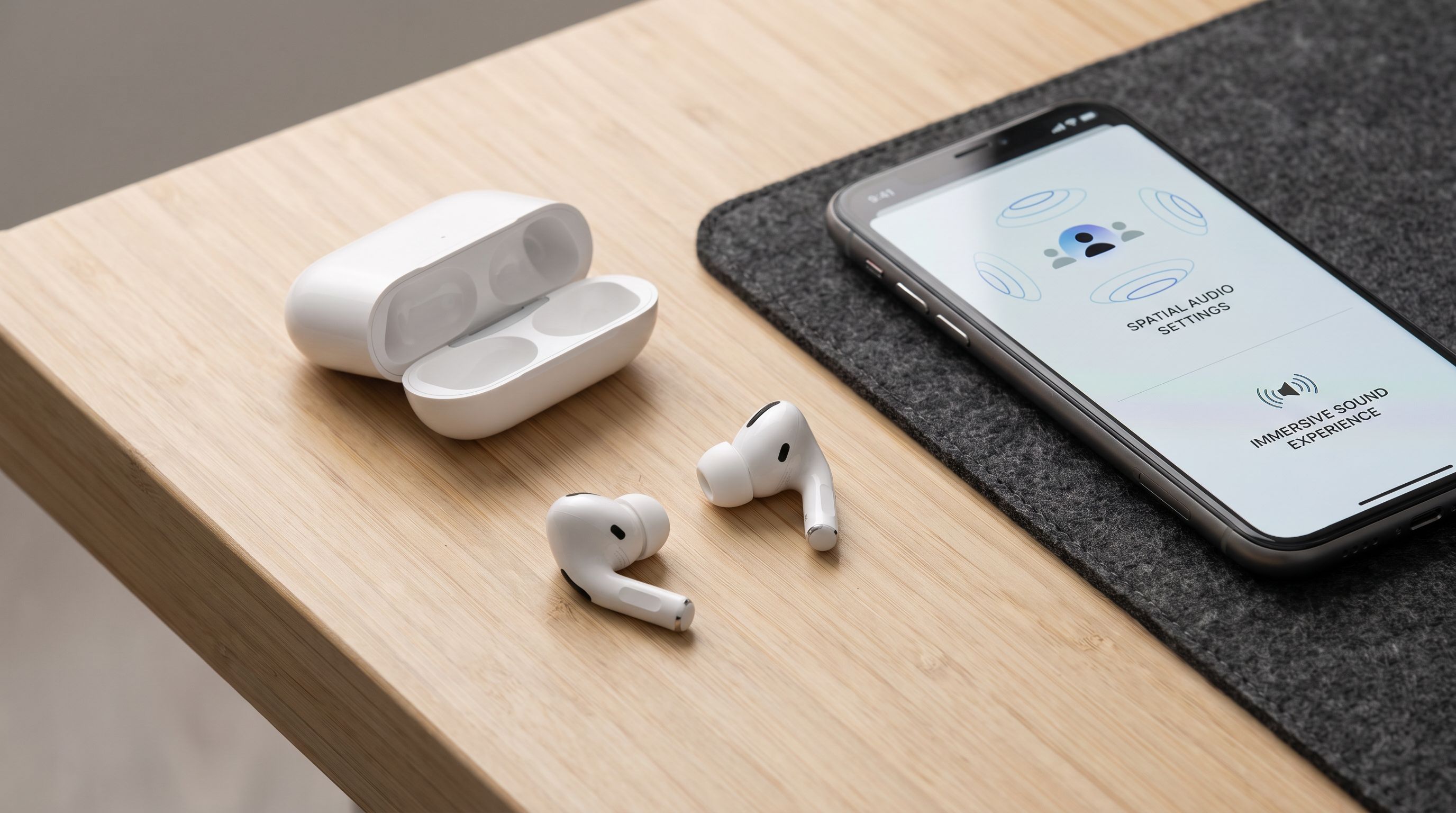
Reader-supported: we may earn a commission from links on this page, at no extra cost to you. It never affects our picks. Learn more.
Spatial audio has quietly become a checkbox feature. Almost every pair of earbuds above entry level now advertises "3D sound," "immersive audio," or "Dolby Atmos support" — and most buyers switch it on once, think huh, that's wider, and never touch it again.
That's a shame, because when the format, the source and the earbuds line up, head-tracked spatial audio genuinely changes how music and movies feel. When they don't line up, it's a reverb effect that smears your mids and drains battery.
We compared the leading spatial audio earbuds of 2026 using manufacturer documentation, independent lab measurements, and verified owner feedback to work out where the feature actually earns its keep — and where it's marketing.
The three things people mean by "spatial audio"
Most of the confusion comes from lumping three different technologies under one name.
1. An actual multichannel mix (Dolby Atmos, 360 Reality Audio). The artist or engineer placed sounds in a 3D field. Apple Music, Tidal and Amazon Music carry Atmos catalogues; Netflix, Disney+ and Apple TV carry Atmos soundtracks. This is the only version where you're hearing creative intent rather than processing.
2. Binaural rendering with head tracking. Your earbuds use an accelerometer and gyroscope to detect head movement and anchor the soundstage to your phone or laptop. Turn left, the dialogue stays centered on the screen. This is the part that makes a cinema feel like a cinema.
3. Upmixing (spatialized stereo). The earbuds take an ordinary stereo track and synthesize a wider field. Apple calls this Spatialize Stereo, Samsung and Sony have their own versions, Bose calls the whole system Immersive Audio. Quality varies enormously — the good implementations widen without hollowing out vocals; the bad ones sound like a cheap hall reverb.
A huge number of "Dolby Atmos earbuds" claims are really just category 3. Dolby Atmos is decoded and rendered on the phone, not the buds — virtually any Bluetooth earbuds can "play Atmos." What differentiates hardware is the head tracking sensor, the HRTF (head-related transfer function) model, and whether the ecosystem passes a high-enough-quality stream to make the effort worthwhile.
Where head tracking genuinely matters
Based on reviews and owner feedback, the consensus pattern is consistent:
- Movies and TV: almost always worth it. Dialogue anchoring to the screen is the single most convincing spatial effect on earbuds. On a long flight, this is the feature that makes a laptop feel like a screening room.
- Live albums, orchestral, ambient and film scores: often worth it. Recordings with real room information respond well to spatialization.
- Dense pop, rock, metal, most hip-hop: usually not. Many Atmos music mixes pull vocals and bass back relative to the stereo master. If a track sounds quieter and less punchy with spatial on, that's why.
- Gaming: depends on latency. Head tracking adds processing delay. Competitive shooters are better served by a low-latency mode; single-player and cinematic games benefit.
A practical rule we'd give anyone: leave head tracking on for video, and A/B it per album for music. Good earbuds make that toggle easy.
How the major ecosystems compare
| Earbuds | Spatial format | Head tracking | Personalized HRTF | Works best with |
|---|---|---|---|---|
| Apple AirPods Pro 3 | Dolby Atmos + Spatialize Stereo | Yes | Yes (ear scan via iPhone) | iPhone, iPad, Mac, Apple TV |
| Sony WF-1000XM6 | 360 Reality Audio + upmix | Yes (supported apps) | Yes (ear photo analysis) | Any phone; best in 360RA apps |
| Samsung Galaxy Buds3 Pro | Dolby Atmos passthrough + 360 Audio | Yes | No | Galaxy phones and tablets |
| Google Pixel Buds Pro 2 | Spatial audio with head tracking | Yes | No | Pixel phones |
| Bose QuietComfort Ultra Earbuds (2nd Gen) | Bose Immersive Audio (upmix) | Yes | No | Any phone, any app |
 Best for movies and travel · Bose QuietComfort Ultra Earbuds (2nd Gen) — Check price on Amazon →
 Best Android all-rounder · Google Pixel Buds Pro 2 — Check price on Amazon →
 Best for sound quality first · Sony WF-1000XM6 — Check price on Amazon →
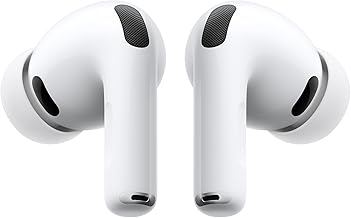 Best overall for spatial audio · Apple AirPods Pro 3 — Check price on Amazon →
The key structural difference: Apple, Samsung and Google tie head tracking to their own phones, while Bose does it entirely on-device. That one design decision determines which pair is right for most people.
The picks
Apple AirPods Pro 3 — best overall for spatial audio
If you're on an iPhone, this is the least complicated answer. The AirPods Pro 3 combine Dolby Atmos decoding across Apple Music, Apple TV and compatible third-party apps with Personalized Spatial Audio, which uses the iPhone's front camera to scan your ears and head and build a profile tuned to your anatomy. That personalization is the part competitors mostly skip, and in reviews it's consistently credited for making externalization — the sense that sound is outside your head — more convincing than generic HRTF models.
Head tracking is smooth, re-centering is sensible rather than twitchy, and the handoff between iPhone, iPad and Mac is still the best in the category. The trade-off is obvious: on Android you lose spatial audio and personalization entirely.
Sony WF-1000XM6 — best when sound quality comes first
Sony's flagship earbuds are repeatedly ranked at the top of ANC and overall sound-quality roundups, and that matters more than any spatial toggle. The spatial story here is 360 Reality Audio, Sony's object-based format, supported in services like Tidal and Amazon Music, with an optional ear-analysis step for personalization. There's also upmixing for ordinary stereo content.
The catch is catalogue size — 360RA has far fewer tracks than Dolby Atmos. Buy the WF-1000XM6 because it's an excellent pair of earbuds that also does spatial, not because spatial is its headline act.
Samsung Galaxy Buds3 Pro — best for Galaxy phones
On a recent Galaxy phone, the Buds3 Pro are the closest Android equivalent to the AirPods experience: 360 Audio with head tracking, automatic switching across Samsung devices, and Atmos content passed through from Samsung's own media stack. Off Galaxy hardware, you keep solid stereo playback but lose the head-tracked layer — same ecosystem logic as Apple's.
Google Pixel Buds Pro 2 — best Android all-rounder
Pixel Buds Pro 2 have been repeatedly called the closest non-Apple match for spatial performance, and they're the easy pick if you carry a Pixel. Head tracking works across supported content, the fit is light enough for all-day wear, and call quality and ANC are strong. If you switch Android brands often, though, the ecosystem dependency is a real limitation.
Bose QuietComfort Ultra Earbuds (2nd Gen) — best for movies and travel
Bose takes the opposite approach. Immersive Audio is applied on the earbuds themselves to whatever is playing — YouTube, a podcast, a downloaded film, a 2009 MP3 — with no Atmos track and no particular phone required. "Still" mode fixes the stage in front of you; "Motion" moves it with you.
It's processing rather than a native multichannel mix, so purists will prefer the original stereo on well-produced music. But for someone who watches a lot on a tablet, flies frequently, or simply doesn't want to care which phone they own, it's the most universally useful spatial implementation on the market. Reviewers also consistently rate Bose ANC among the best available.
How to buy without wasting money
- Match the ecosystem before anything else. Head tracking is ecosystem-locked on Apple, Samsung and Google. If you're a device-switcher, Bose is the safe choice.
- Check which services you already pay for. Apple Music leans Atmos; Tidal and Amazon Music carry 360 Reality Audio. Spotify's spatial support remains limited.
- Don't buy spatial at the expense of fundamentals. ANC quality, fit, battery life and call clarity affect you every day; spatial affects a subset of listening.
- Expect a battery cost. Head tracking and spatial processing reduce runtime, typically by a modest but noticeable amount.
- Fit is the hidden variable. A poor seal collapses bass and wrecks the illusion of externalization. Run the ear-tip fit test your earbuds offer.
FAQ
Do I need Dolby Atmos earbuds to hear Dolby Atmos? No. Atmos for headphones is decoded and binauralized by your phone, tablet or computer. Any Bluetooth earbuds can play the result. What premium earbuds add is head tracking, better drivers and, in some cases, a personalized HRTF.
Does spatial audio reduce sound quality? It can. Spatialized stereo adds processing that may soften transients and thin out vocals, and many Atmos music mixes are quieter and less dynamic than their stereo masters. For critical listening, compare both and keep whichever you prefer.
Is head tracking useful for music? Less than for video. It helps with live and orchestral recordings where a stable stage feels natural, but on studio pop it mostly just makes the mix move when you turn your head — which some people find distracting.
Can I use spatial audio on a plane? Yes, and it's one of the best use cases. Bose Immersive Audio works with downloaded video in any app. Apple and Samsung spatial also work with downloaded content from their supported apps on their own devices.
Does spatial audio drain the battery? Yes, modestly. Expect shorter runtime with head tracking enabled, which is one more reason to leave it on for films and switch it off for long music sessions.
Our picks
Apple AirPods Pro 3 Wireless Earbuds with Active Noise Cancellation
The most convincing head-tracked Atmos on earbuds, with personalized HRTF profiles and tight Apple integration.
Sony WF-1000XM6 True Wireless Earbuds with In-Flight Audio Adapter (Black)
Class-leading ANC and tuning, plus 360 Reality Audio upmixing for cinematic listening on Android or iOS.
Samsung Galaxy Buds3 Pro
360 Audio with head tracking plus 24-bit Atmos passthrough from compatible Galaxy devices.
Google Pixel Buds Pro 2 - Wireless Bluetooth Earbuds - Hazel
Head-tracked spatial audio on Pixel phones with a comfy fit and strong voice/ANC performance.
Bose QuietComfort Ultra Earbuds 2nd Gen Wireless Headphones Bundle
Immersive Audio works with any phone and any app — no Atmos track or ecosystem lock-in required.
Get the best tech deals in your inbox
Join the BytePlaza newsletter for hand-picked gadget deals and new buying guides. No spam, unsubscribe anytime.
Related reads
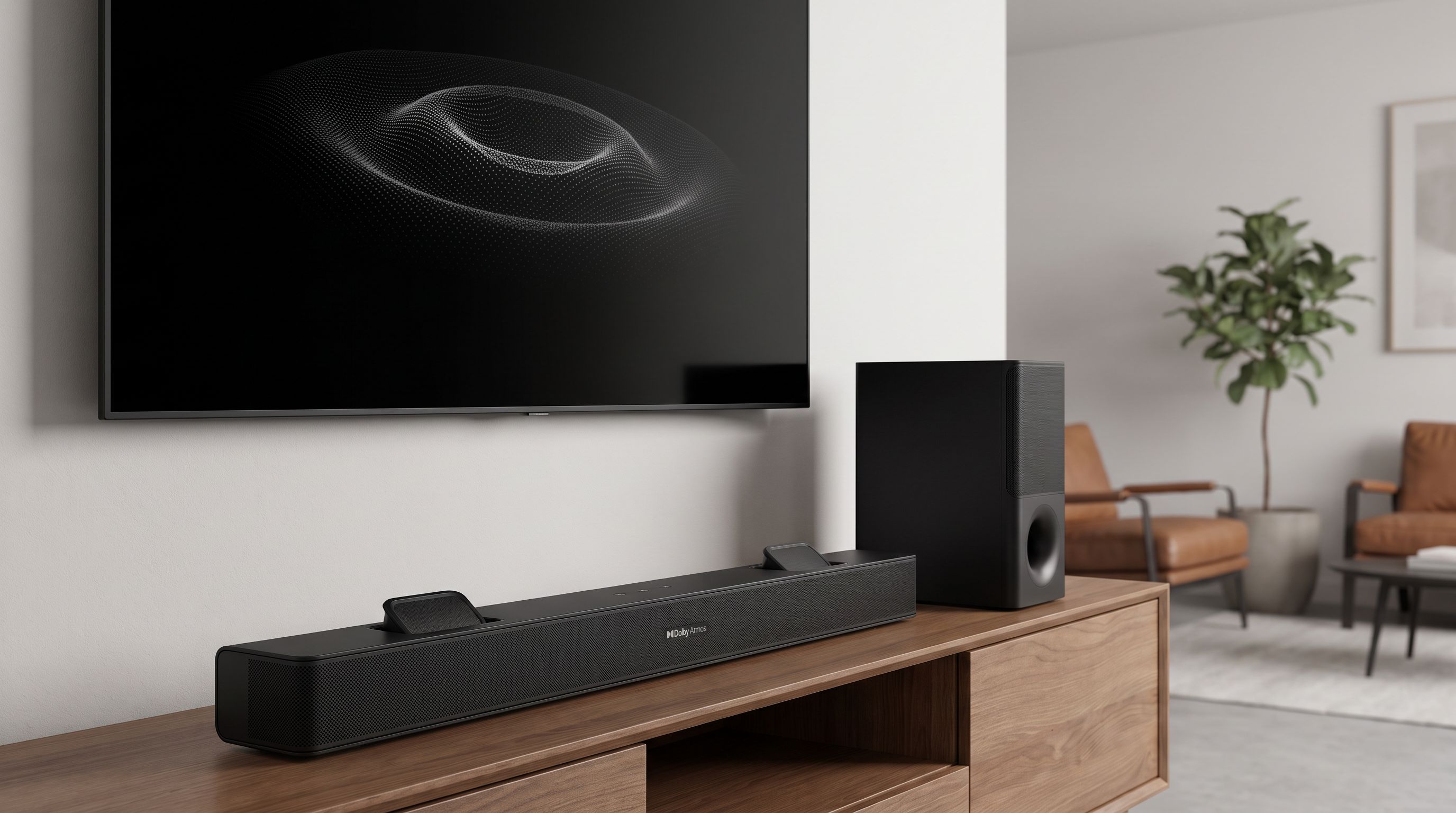
Best Soundbar 2026: Dolby Atmos Picks Under $500
The best soundbar 2026 picks under $500 with real Dolby Atmos. We compare 2.1, 3.1 and 5.1.2 setups by room size, plus sub and rear-speaker upgrade paths.
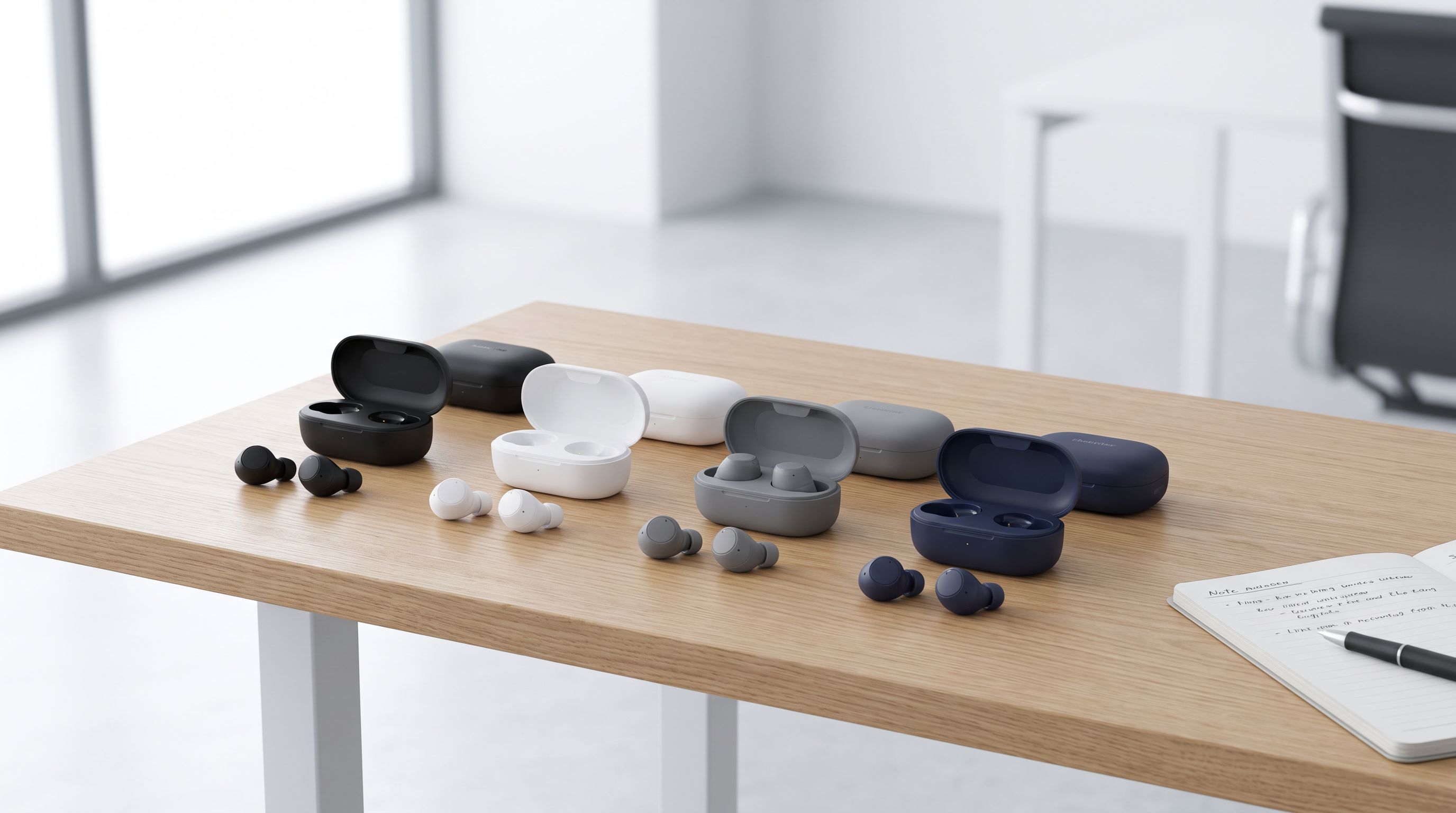
Best Wireless Earbuds in 2026: Compared & Ranked
Our ranked guide to the best wireless earbuds in 2026, from the Sony WF-1000XM6 to Soundcore's Liberty 5 Pro — with a comparison table, fit tips and FAQs.

The Median Wireless Earbuds Cost $25.98 in 2026
Median wireless earbud price is $25.98 while the average is $49.23 — a 40-listing Amazon analysis showing 72% of models sell under $57 and average 4.49 stars.