Smart Smoke Detector 2026: 4 Alarms That Warn You Early
Compare the best smart smoke and CO detectors of 2026 on sensor type, app alerts, interconnect, battery vs hardwired install and subscription needs.
Reader-supported: we may earn a commission from links on this page, at no extra cost to you. It never affects our picks. Learn more.
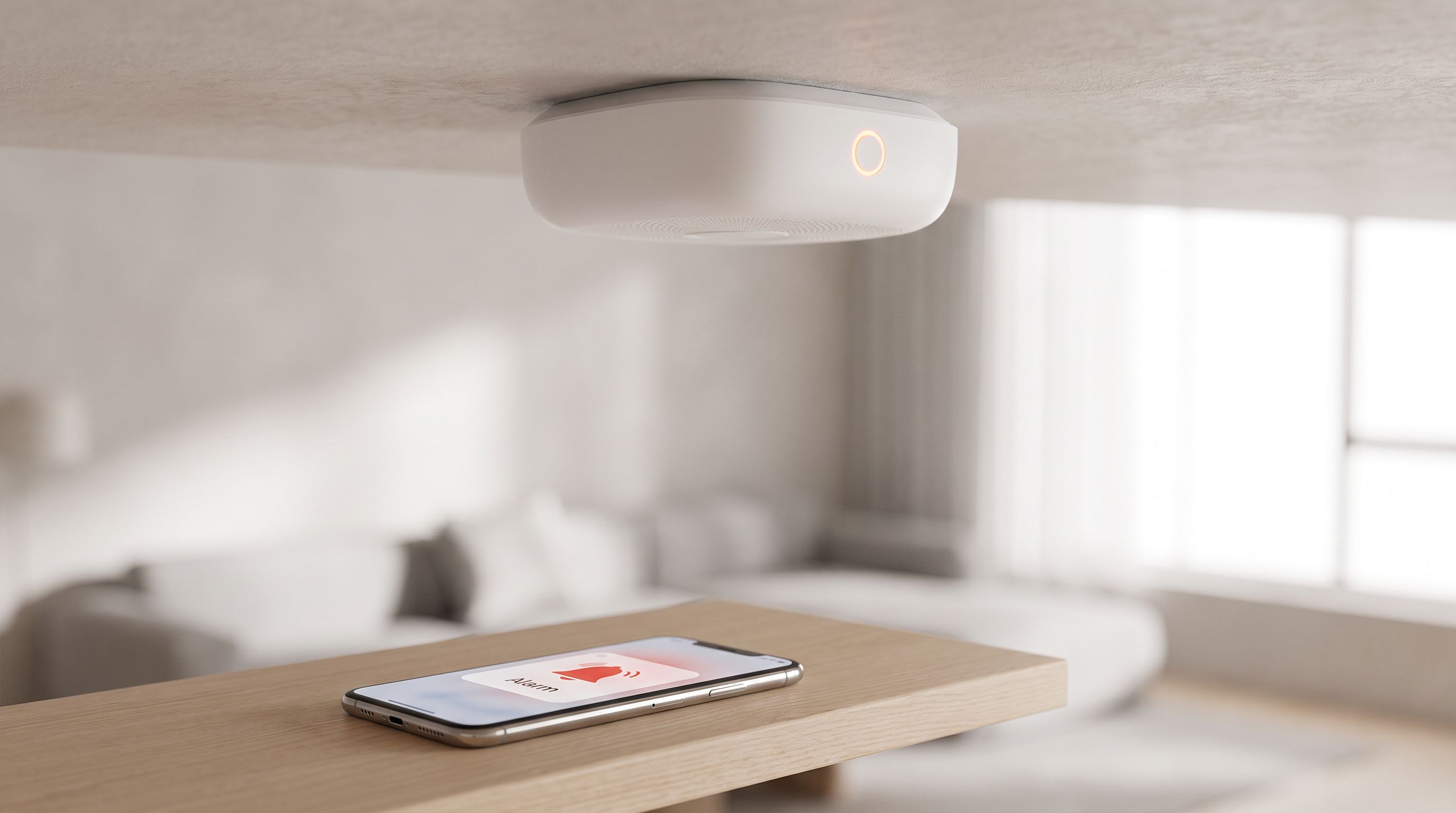
A smart smoke alarm earns its premium for one reason: it tells you about a fire or a carbon monoxide leak when you're not home. A standard alarm screaming into an empty house does nothing for the dog, the pipes, or the kitchen. A connected one pushes a notification to your phone, names the room, and — in the best systems — sounds every other alarm in the house at the same time.
We compared the leading 2026 models on the things that actually change outcomes: sensor type, how alarms interconnect, install method, and whether you're locked into a subscription. Our picks are based on manufacturer spec sheets, independent lab results from outlets like Consumer Reports and CNET, and patterns in verified owner feedback — BytePlaza doesn't physically test units.
What actually matters in a smart alarm
Sensor type: photoelectric, ionization, or both
Photoelectric sensors respond faster to smoldering fires (upholstery, bedding, electrical). Ionization sensors respond faster to fast-flaming fires (grease, paper) but are notorious for nuisance trips near kitchens and bathrooms. Dual-sensor or "split-spectrum" photoelectric designs aim to cover both profiles.
Most of the best current smart alarms have moved to photoelectric or enhanced photoelectric sensing plus an electrochemical CO sensor. That combination is why dual smoke/CO units dominate 2026 — one device, one mounting point, two threats.
Important: CO sensors do not last forever. Electrochemical cells typically have a 7–10 year service life, and the whole alarm is usually date-stamped for replacement. If you're here because your Nest Protect units just hit end of life, that's exactly the mechanism at work.
Interconnect is the underrated feature
Code in most new construction requires interconnected alarms: trigger one, they all sound. For a two-storey home, that's the difference between hearing a basement alarm at 3am or not. Smart alarms achieve this three ways:
- Hardwired interconnect via the red traveller wire — rock solid, but only where wiring exists.
- Wireless RF interconnect — a proprietary radio mesh between alarms, independent of your Wi-Fi.
- Cloud/app interconnect — alarms talk through the manufacturer's servers. Convenient, but it depends on your router and internet being up.
RF interconnect is the most robust option for retrofits. X-Sense SC07-W is built around it, linking a large number of units across a home without touching the electrical panel.
Battery vs hardwired
Hardwired alarms with battery backup are the gold standard where you already have a junction box in the ceiling. Sealed 10-year lithium battery units are far easier to retrofit and eliminate the 3am low-battery chirp forever. Replaceable-battery alarms are the cheapest but the most annoying to live with.
A practical note from owner reviews across brands: Wi-Fi alarms running on sealed batteries can see shorter real-world life than the rated figure if the signal is weak and the radio works hard to stay connected. Mount within reasonable range of an access point.
Subscriptions
This is where brands diverge sharply. Kidde's Ring-connected alarms and First Alert's SC5 deliver push notifications without a mandatory plan — a subscription only buys extras like professional monitoring or recording for other Ring devices. SimpliSafe is the opposite by design: the detector is a sensor on a monitored system, and the monitoring plan is the point.
The 2026 shortlist
Kidde Smart Smoke & Carbon Monoxide Detector with Ring — best overall
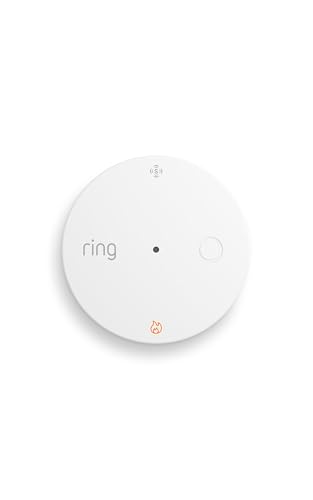 Best overall · Kidde Smart Smoke & Carbon Monoxide Detector with Ring — Check price on Amazon →
Kidde's smart line has been the strongest performer in recent independent lab roundups, and the Ring integration is the practical reason to buy it. It sits in the Ring app alongside cameras and doorbells, sends fast push alerts with room naming, and interconnects with other Kidde smart alarms. It comes in both battery and hardwired variants, so you can mix install types across one house and keep them on the same system. Push alerts don't require a Ring subscription; professional monitoring is optional if you want dispatch.
Best for: anyone already in the Ring/Amazon ecosystem, or anyone who wants smart alerts without a mandatory monthly fee.
First Alert SC5 Smart Smoke & Carbon Monoxide Alarm — best for Apple and Google households
The SC5 is First Alert's current flagship connected dual-sensing alarm, with a sealed 10-year battery and Wi-Fi app alerts. First Alert's long-standing strength is boring reliability and wide retail availability of replacements, and the SC5 plugs into mainstream smart-home platforms more comfortably than Ring-locked hardware. If your house runs on Apple Home or Google Home routines, this is the easier fit.
Best for: platform-agnostic smart homes, and anyone replacing an aging Nest Protect.
X-Sense SC07-W — best for whole-home interconnect
The SC07-W is the alarm to buy when the goal is coverage, not gadgetry. It uses X-Sense's RF link to interconnect a large number of alarms wirelessly, so a smouldering fire in the garage sounds the bedroom unit without a single wire run. Add the optional base station and you get app notifications on top. SafeWise named it a best-overall pick for 2026, and owner feedback consistently praises the setup process and multi-pack value.
Best for: multi-floor or older homes with no interconnect wiring.
SimpliSafe Smoke & Carbon Monoxide Detector — best for monitored response
 Best for monitored response · SimpliSafe Smoke & Carbon Monoxide Detector — Check price on Amazon →
A push notification only helps if you see it. SimpliSafe's detector reports to the base station, which can trigger professional monitoring and emergency dispatch while you're on a plane or asleep. It's not a standalone product — it only makes sense if you run or plan to run a SimpliSafe system — but within that context it's the most consequential alarm here.
Best for: households that want a human in the loop, not just a phone buzz.
First Alert SMICO100 — budget pick
Not every room needs Wi-Fi. The SMICO100 is a sealed 10-year battery dual smoke/CO alarm: no app, no setup, no subscription. Use smart alarms in the hallway, stairwell, and near the furnace, and fill out the remaining bedrooms with these.
Comparison
| Model | Sensing | Install | Interconnect | App alerts | Subscription |
|---|---|---|---|---|---|
| Kidde Smart Smoke & CO with Ring | Smoke + CO | Battery or hardwired versions | Yes, with other Kidde smart alarms | Ring app | Not required for alerts |
| First Alert SC5 | Smoke + CO | Sealed 10-year battery, Wi-Fi | Via app / compatible alarms | First Alert app + platform support | Not required |
| X-Sense SC07-W | Smoke + CO | Battery, wireless | RF mesh across many units | Optional, via base station | Not required |
| SimpliSafe Smoke & CO Detector | Smoke + CO | Battery, pairs to base station | Via SimpliSafe system | SimpliSafe app | Monitoring plan recommended |
| First Alert SMICO100 | Smoke + CO | Sealed 10-year battery | No | No | No |
How many, and where
Minimum coverage in most jurisdictions: one alarm inside every bedroom, one outside each sleeping area, and one on every level including the basement. CO alarms belong on every level and near sleeping areas, with particular attention to the floor housing a furnace, water heater, or attached garage.
Avoid mounting within about 10 feet of a cooking appliance to cut nuisance alarms, and keep units away from bathroom doorways and ceiling fans. Follow the manufacturer's ceiling/wall distance guidance — it's on the back of every unit.
Finally: write the install date on each alarm with a marker. In 2033 you will not remember.
FAQ
Do smart smoke detectors still work if the Wi-Fi goes down? Yes. Every alarm here is a self-contained UL-listed alarm first — the siren sounds locally regardless of internet. You lose the push notification and, on cloud-interconnected systems, the ability to trigger other units. RF-interconnected alarms like the X-Sense SC07-W still sound together without internet.
Is a combination smoke/CO alarm as good as two separate devices? For most homes, yes, and it's what current roundups recommend. The exception is placement: CO is best detected near sleeping areas and fuel-burning appliances, while smoke detection favours ceilings away from kitchens. If those needs conflict in a specific room, use dedicated units.
Do I need a subscription for smart smoke alarms in 2026? Not for alerts. Kidde with Ring, First Alert SC5 and X-Sense all push notifications without a plan. Subscriptions buy professional monitoring and emergency dispatch — genuinely useful, but optional unless you're on SimpliSafe.
My Nest Protects expired — what replaces them? Google discontinued the Nest Protect, so there's no like-for-like successor from Google. The First Alert SC5 is the closest in spirit for a platform-flexible smart home; the Kidde Ring alarm is the stronger pick if you want tight integration with an existing security ecosystem.
How long do these last? Typically 10 years for the smoke sensor and 7–10 years for the CO sensor, after which the unit must be replaced entirely — the sensors degrade and cannot be refreshed. Sealed-battery models simply retire at end of life.
Our picks
Ring Smoke & CO Listener, get real-time alerts from existing smoke and CO alarms, no base station needed, Professional Monitoring (sold separately)
Dual smoke + CO sensing, Ring app alerts and interconnect with no mandatory subscription.
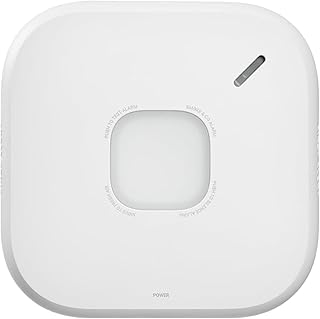
First Alert SC5 Battery Smart Smoke & Carbon Monoxide Alarm
Wi-Fi alarm with broad app support and a sealed 10-year battery, so there's nothing to swap.

X-Sense Interconnected Smoke Detector, 10-Year Battery, SD19-W, 12-Pack | Up to 18 Wireless Detectors, One Alarm Sounds All, Fewer False Alarms, Easy Installation for Home, UL 217 Certified
Links dozens of alarms over RF so one trigger sounds every unit, with optional base-station app alerts.
SimpliSafe Motion Sensor - Compatible with Gen 3 Home Security System
Ties into SimpliSafe's professionally monitored system so a fire can dispatch help even if you miss the push.
First Alert SMICO100 Battery-Powered Smoke & CO Alarm
No Wi-Fi, no fuss: sealed 10-year battery dual-sensing alarm for rooms that don't need an app.
Get the best tech deals in your inbox
Join the BytePlaza newsletter for hand-picked gadget deals and new buying guides. No spam, unsubscribe anytime.
Related reads
Smart Desk Fan 2026: 4 Quiet Picks for a Silent Home Office
Looking for a smart desk fan in 2026? We compared app-controlled, oscillating and bladeless fans on noise ratings, airflow and owner feedback for home offices.
Smart Litter Boxes in 2026: 4 Picks That Self-Clean
We compared smart litter boxes in 2026 on cat weight limits, app health tracking, waste drawer size and subscription-free use. Four picks for one cat or five.

Smart Fitness Mirrors in 2026: What You're Really Locked Into
The best smart fitness mirror 2026 guide: compare Tonal, Tempo, Echelon Reflect and Forme on subscription cost, screen size, class libraries and lock-in.