Keyboard Wrist Rests in 2026: Gel vs Memory Foam vs Wood
Choosing the best keyboard wrist rest in 2026? We compare gel, memory foam, and wood options for ergonomic support, durability, and desk aesthetics.
Reader-supported: we may earn a commission from links on this page, at no extra cost to you. It never affects our picks. Learn more.
If you spend more than a couple of hours a day typing, a good wrist rest isn't a luxury—it's an ergonomic necessity. But the material you choose matters more than most people realize. Gel, memory foam, and wood each handle pressure distribution, heat, and long-term durability differently, and the wrong pick can actually make wrist strain worse.
We researched dozens of keyboard wrist rests available in 2026, compared manufacturer specs, aggregated owner feedback, and consulted ergonomic guidelines to narrow the field. Below, we break down the three major material categories and recommend specific models worth your money.
Why Material Matters More Than You Think
A wrist rest's job is simple: keep your wrists in a neutral position so your forearms, tendons, and carpal tunnel aren't under constant strain. But material determines how it accomplishes that. A rest that's too soft lets your wrists sink, bending them at an angle. One that's too firm creates pressure points. Temperature also plays a role—sweaty wrists slide, which forces you to grip harder and creates the exact tension you're trying to avoid.
Gel Wrist Rests
Gel rests use a silicone- or polyurethane-based filling that deforms under pressure and springs back when you lift your hands. They tend to feel cool to the touch initially and provide a moderate level of "give."
Pros: Responsive cushioning, stays relatively cool, easy to wipe clean, typically affordable.
Cons: Some cheaper gel rests bottom out under sustained pressure, and the gel can degrade or harden over a year or two of daily use.
The Gimars Gel Memory Foam Keyboard Wrist Rest is a solid budget-friendly example. It pairs a gel layer with a memory foam core, includes a non-slip rubber base, and its fabric cover is machine-washable—a genuine convenience feature most competitors skip. Owner reviews consistently praise its value, though some note it's on the softer side for heavier wrists.
 Best budget gel · Gimars Gel Memory Foam Keyboard Wrist Rest — Check price on Amazon →
For something different, the HandStands Beaded Keyboard and Mouse Wrist Rest Combo uses a bead-filled interior instead of a uniform gel slab. The beads shift and conform to your specific wrist shape, which many reviewers find more supportive than standard gel. The combo also includes a matching mouse wrist rest, making it a practical all-in-one purchase.
Memory Foam Wrist Rests
Memory foam (viscoelastic polyurethane) slowly conforms to the shape and warmth of your wrists, distributing pressure more evenly than gel. It's the material you'll find in most premium keyboard rests in 2026.
Pros: Excellent pressure distribution, molds to individual wrist shape, generally durable (retains shape for years).
Cons: Retains heat, which can make wrists sweaty during long sessions. Slower to rebound than gel—if you shift hand positions frequently, foam may not keep up.
The HyperX Wrist Rest is the standout in this category and our top overall pick. It uses a cooling-gel-infused memory foam that directly addresses the heat-retention problem. Multiple independent reviewers and owner reports confirm it stays cool and sweat-free even during all-day typing sessions. Its anti-slip base grips well on most desk surfaces, and it's sized to match standard full-size keyboards. It's a particularly good choice if you're working at a laptop, too—several reviewers noted it eliminated strain during extended laptop sessions.
 Best overall · HyperX Wrist Rest — Check price on Amazon →
Wood Wrist Rests
Wooden wrist rests have surged in popularity alongside the mechanical keyboard community. They're typically made from walnut, bamboo, or maple and offer a completely rigid surface.
Pros: Extremely durable (lasts years without degradation), easy to clean, looks premium on any desk, no material breakdown or hygiene concerns.
Cons: No cushion or conformability—your wrists rest on a hard surface. Some people find this uncomfortable for extended typing, though fans argue the firm surface encourages better wrist posture.
The Glorious Gaming Wooden Wrist Rest is a proven option here. It's available in multiple sizes (compact, TKL, and full-size) to match your keyboard layout, and its smooth lacquered finish feels comfortable against skin without being sticky. It pairs especially well with mechanical keyboards and clean, minimal desk setups.
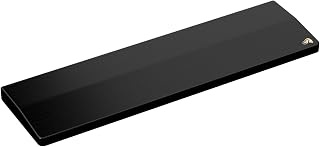 Best wood option · Glorious Gaming Wooden Wrist Rest — Check price on Amazon →
If aesthetics are a priority, the Kraylay RGB Wood Keyboard Wrist Rest adds customizable RGB lighting around the edges of a solid wood body. It's a niche product, but for users who've invested in an RGB keyboard and want a cohesive look, it's one of the only options that delivers both real wood construction and lighting.
Comparison Table: Gel vs Memory Foam vs Wood
| Feature | Gel | Memory Foam | Wood |
|---|---|---|---|
| Cushioning | Moderate, responsive | Deep, slow-conforming | None (rigid) |
| Heat management | Stays cool initially | Retains heat (unless gel-infused) | Neutral—room temperature |
| Durability | 1–3 years before gel degrades | 2–4 years with daily use | 5+ years, minimal degradation |
| Hygiene | Wipe-clean (fabric covers vary) | Fabric cover needs washing | Wipe with damp cloth |
| Desk aesthetics | Utilitarian | Utilitarian to premium | Premium, minimal |
| Best for | Budget setups, warm climates | All-day typists, ergonomic priority | Mech keyboard enthusiasts, clean desks |
| Typical price range | Low–mid | Mid–high | Mid–high |
How to Choose the Right Size
Wrist rest sizing should match your keyboard layout:
- Full-size (100%): ~17–18 inches. Matches keyboards with a number pad.
- Tenkeyless (TKL / 80%): ~14–15 inches. Fits keyboards without a number pad.
- Compact (60–65%): ~12 inches. For smaller mechanical boards.
A wrist rest that's too short leaves one hand unsupported; too long and it crowds your mouse space. Measure your keyboard's front edge before buying.
Height and Angle
Ideally, a wrist rest should bring your wrists level with the bottom edge of your keycaps. If the rest is too tall, it forces your wrists upward. Too short and you're still bending down. Most foam and gel rests sit around 18–22mm in height, which works for standard-profile keyboards. Wood rests vary more—check the listed dimensions carefully.
Ergonomic Reality Check
It's worth noting that no wrist rest replaces proper typing posture. Ergonomic experts generally recommend that wrist rests be used between typing bursts—as a place to park your palms during pauses—rather than as a surface to press into while actively keystroking. Hovering your wrists while typing and resting them during breaks is the healthiest approach. A wrist rest just makes those rest intervals more comfortable and prevents you from planting your wrists directly on a hard desk edge.
FAQ
Is a keyboard wrist rest actually good for you?
Yes, when used correctly. A wrist rest supports your wrists during pauses and keeps them in a neutral position, reducing strain on tendons and the carpal tunnel. The key is not to press into it while actively typing.
Gel or memory foam—which is better for sweaty hands?
Gel or gel-infused memory foam. Pure memory foam retains body heat and can get clammy. The HyperX Wrist Rest's cooling gel layer specifically addresses this issue.
Do wooden wrist rests hurt your wrists?
Not necessarily. Wood encourages a lighter resting pressure and can promote better posture, but it lacks cushioning. If you have existing wrist pain, start with foam or gel. If your wrists are healthy and you prefer a firm surface, wood works well.
Can I use a full-size wrist rest with a TKL keyboard?
You can, but the extra length will take up desk space to the right and may interfere with mouse movement. It's better to match the wrist rest to your keyboard's width.
How often should I replace a foam or gel wrist rest?
When the material no longer springs back or feels noticeably compressed in your usual wrist spots. For daily use, that's typically every 1–3 years for gel and 2–4 years for memory foam.
Our picks
HyperX Wrist Rest - Full Sized - Cooling Gel - Memory Foam - Anti-Slip - Ergonomic - Keyboard Accessory, Black
Cooling gel and memory foam hybrid that stays comfortable and sweat-free all day.
GLORIOUS Gaming Wooden Keyboard Wrist Rest (TKL) - White Ash Wood, Medium-Coarse Grain, Smooth Surface, Sweat & Oil Resistant, Easy Clean, Anti-Slip Rubber Base, 14" x 4" x 0.79" - Onyx
Premium hardwood construction with a smooth finish that elevates any desk setup.
Gimars Upgrade Enlarge Silky and Superfine Fabric Gel Memory Foam Keyboard Wrist Rest Set, Ergonomic Keyboard Mouse Wrist Support for Typing Pain Relief, Comfort for Office, Gaming, Computer, Black
Affordable gel-cushion design with a non-slip base and machine-washable cover.
HandStands Beaded Keyboard and Mouse Wrist Rest Combo
Unique bead-filled design contours to your wrists and includes a matching mouse rest.
Kraylay RGB Wood Keyboard Wrist Rest
Solid wood wrist rest with customizable RGB lighting for mechanical keyboard fans.
Get the best tech deals in your inbox
Join the BytePlaza newsletter for hand-picked gadget deals and new buying guides. No spam, unsubscribe anytime.
Related reads
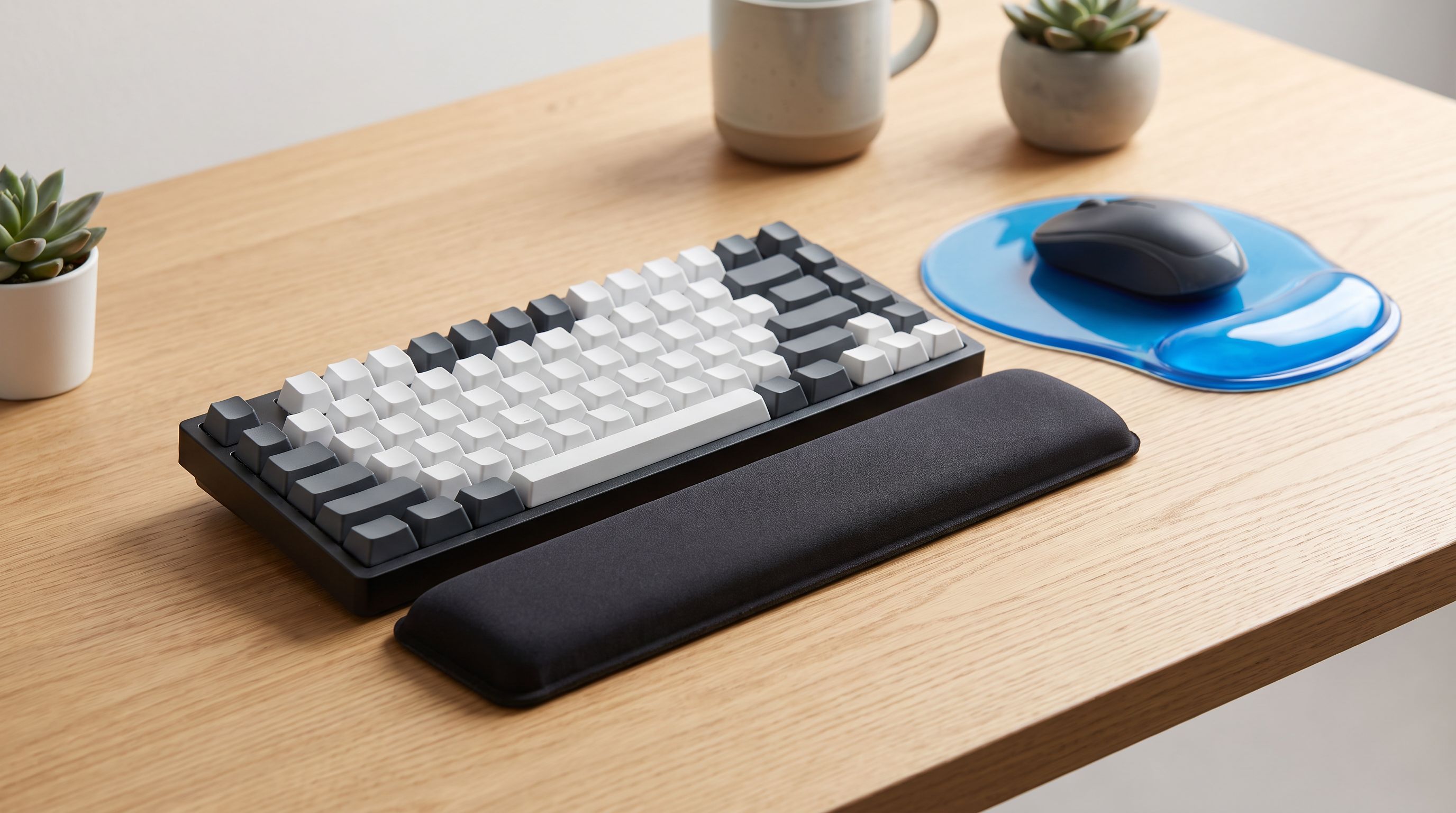
Keyboard Wrist Rest Buying Guide 2026: Height Beats Hype
The best keyboard wrist rest for 2026 depends on height, firmness and board size. We compare memory foam, gel and wooden rests using specs and owner reviews.
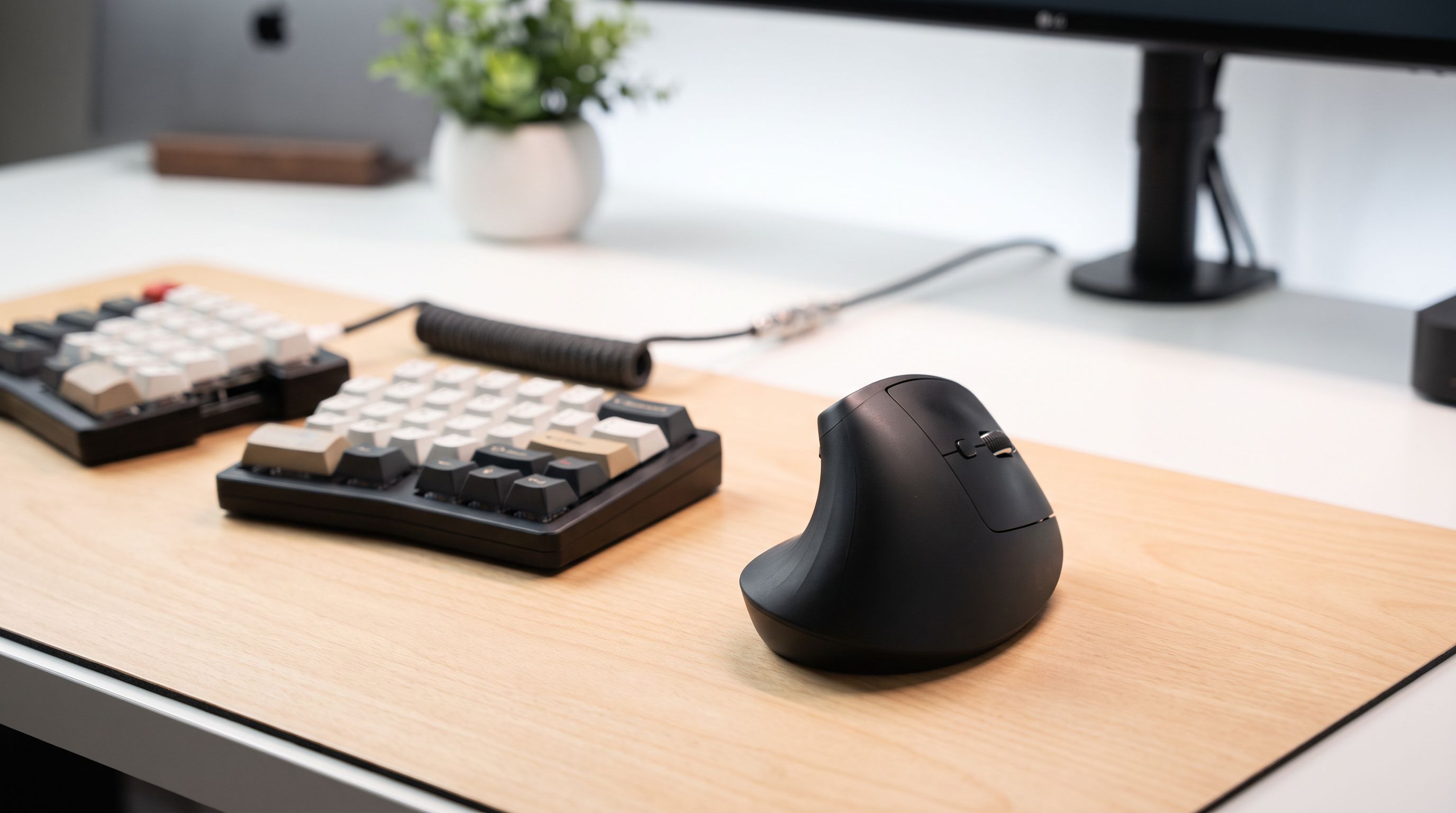
Ergonomic Split Mouse 2026: 4 Picks That Help RSI
Looking for the best ergonomic split mouse in 2026? We compare vertical and split-grip mice for RSI relief, covering grip angles, sensors, and real owner feedback.
Magnetic Cable Clips in 2026: 5 Picks for a Tangle-Free Desk
Looking for the best magnetic cable clips in 2026? We compared hold strength, cable sizes, and finishes to find the top desk cable organizers worth buying.