Best Foldable Phones 2026: Are They Finally Worth It?
Our guide to the best foldable phones: book-style vs flip, crease and durability realities, and whether a folding screen beats a standard flagship in 2026.
Reader-supported: we may earn a commission from links on this page, at no extra cost to you. It never affects our picks. Learn more.
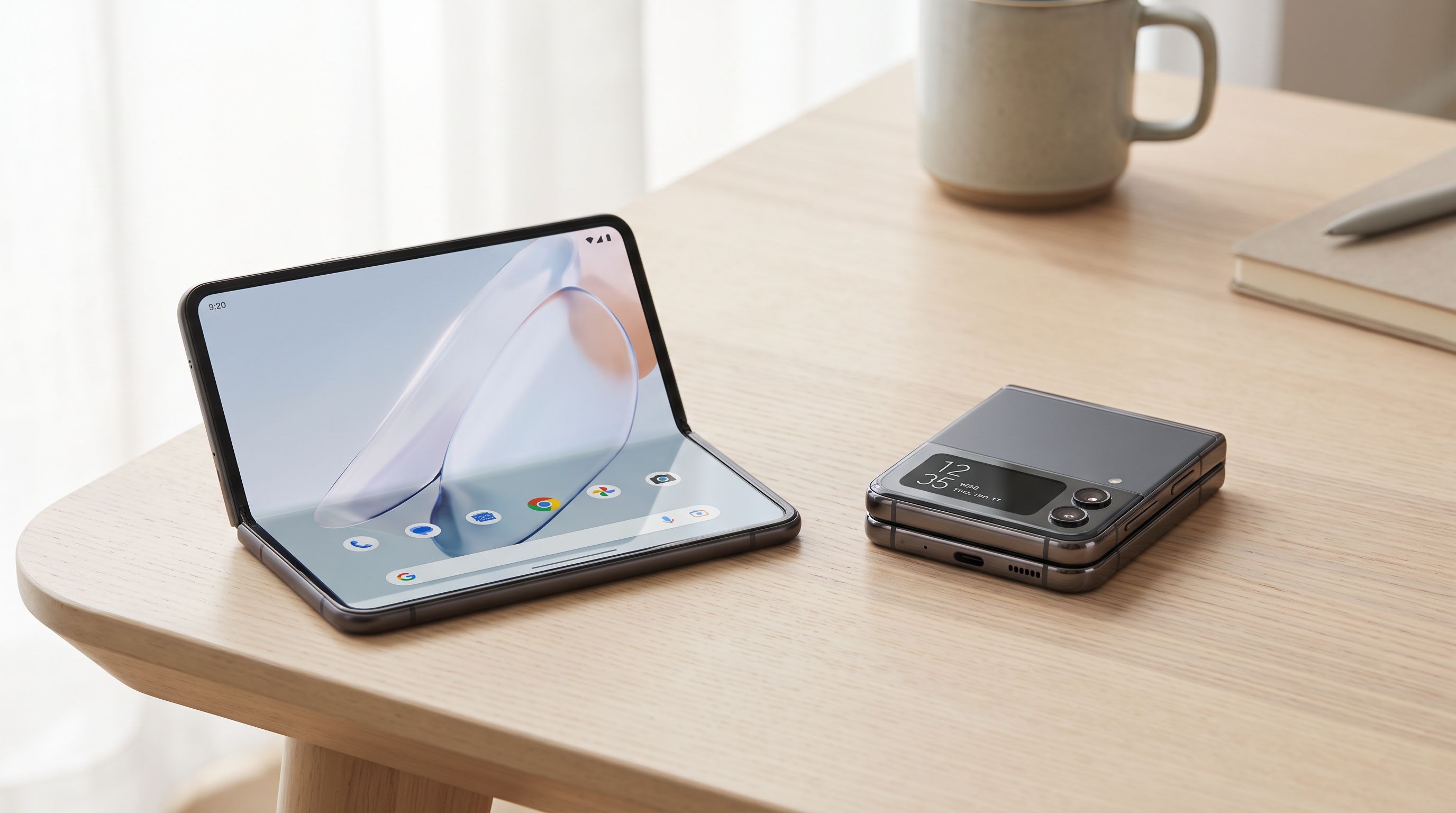
Foldables have quietly stopped being a science project. Hinges survive years instead of months, the software finally knows what to do with a second screen, and the outer displays on book-style models no longer feel like a remote control. The question is no longer "will it break?" so much as "is the compromise worth the money?"
The honest answer: for most people, no. For a specific kind of person, absolutely yes. This guide explains which one you are.
The two kinds of foldable, and who each is for
Book-style (the tablet-in-your-pocket)
These open like a book into a roughly 7–8 inch inner display. You get a real multitasking canvas: two apps side by side plus a floating window, comfortable ebook reading, spreadsheets that don't require horizontal scrolling, and games with room for on-screen controls that don't cover the action.
The cost is bulk and money. A closed book-style foldable is noticeably thicker than a slab phone, heavier in a jacket pocket, and sits at the very top of the price ladder — typically above even a top-tier "Ultra" or "Pro Max" flagship. The Samsung Galaxy Z Fold 6 and Google Pixel 9 Pro Fold are the two to know here.
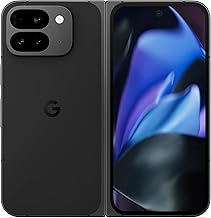 Best cameras and software · Google Pixel 9 Pro Fold — Check price on Amazon →
 Best overall · Samsung Galaxy Z Fold 5 5G US Version — Check price on Amazon →
Buy one if you genuinely work on your phone: email triage, document review, remote-desktop sessions, long reading, or if you currently carry both a phone and a small tablet. If you mostly scroll, message and shoot photos, you're paying a large premium for a screen you'll rarely unfold.
Flip-style (the shrink-it-down clamshell)
These are ordinary-sized phones that fold in half to roughly the footprint of a card wallet. The screen when open is a normal phone screen — no learning curve, no app compatibility weirdness. The benefit is pocketability, plus a cover screen that lets you triage notifications, run a timer, or shoot selfies with the main camera.
The Samsung Galaxy Z Flip 6 and Motorola Razr+ (2024) define this category. Motorola's argument is the enormous outer display that runs full Android apps; Samsung's is polish, water resistance and long software support.
 Best value flip · Motorola Moto Razr 2024 — Check price on Amazon →
 Best flip foldable · Samsung Galaxy Z Flip 6 — Check price on Amazon →
Buy a flip if the appeal is size and style rather than screen area. Flips generally cost less than book-style foldables but more than a comparable standard phone, and they still carry the two structural weaknesses of the format: smaller batteries and simpler camera systems, because the hinge eats interior volume.
The crease: what it actually looks like in 2026
Every foldable still has a crease. Manufacturers have made it shallower and moved it around, but it is a physical fold in a plastic-topped OLED, and no marketing has repealed physics.
What matters is when you notice it:
- Looking straight on, screen lit: essentially invisible on current models. You will forget it exists within a week.
- Off-axis, or with a light source reflecting across the panel: clearly visible as a soft horizontal band.
- Under your fingertip: you feel a slight dip when you swipe across it. This is the part people either stop noticing or never stop noticing.
Flip phones tend to show the crease more in daily use because it sits right where your thumb scrolls. Book-style creases sit mid-screen and are easier to ignore. If you're crease-sensitive, go and swipe one in a store before buying — this is not something a review can decide for you.
Durability: better, but still different rules
Modern hinges are rated for hundreds of thousands of folds, which comfortably exceeds a few years of normal use. Water resistance is now common on flagship foldables (Samsung and Google both ship IP-rated hinges). Dust is the remaining weak point: fine grit is the classic hinge killer, so beach and job-site use is riskier than with a sealed slab.
Three practical rules if you buy one:
- The inner screen is plastic-topped. Fingernails, sand and hard cases can mark it. Don't peel the factory-applied protector.
- Screen protectors and repairs are dealer-level jobs. Inner-display replacement is expensive; check what your carrier or manufacturer offers before you need it.
- Case choice matters more than usual. A folio-style case protects the hinge area and stops the halves from grinding shut on debris.
Foldable vs standard flagship: the trade sheet
| Book-style foldable | Flip foldable | Standard flagship | |
|---|---|---|---|
| Example | Galaxy Z Fold 6, Pixel 9 Pro Fold | Galaxy Z Flip 6, Razr+ (2024) | Galaxy S24 Ultra |
| Screen area open | Small-tablet class | Normal phone | Normal phone / large phone |
| Pocketability closed | Thick, heavy | Excellent | Good |
| Battery endurance | Good, but powering a big panel | Typically the weakest of the three | Typically the strongest |
| Camera hardware | Good, rarely best-in-class | Basic dual systems | Best available, incl. long zoom |
| Durability profile | Water-resistant, dust-sensitive, plastic inner screen | Same | Fully sealed glass sandwich |
| Repair cost if screen fails | Highest | High | Moderate |
| Relative price tier | Highest | Mid-to-high | High |
The pattern is consistent: foldables trade camera ceiling, battery headroom and repairability for form factor. If none of those three matter much to you, the trade is fine. If you shoot a lot at long focal lengths, or you're regularly away from a charger, the Samsung Galaxy S24 Ultra style of phone remains the safer buy and it isn't close.
 Best non-folding alternative · Samsung Galaxy S24 Ultra 5G — Check price on Amazon →
How to choose in five minutes
- You want a tablet you'll actually carry. Galaxy Z Fold 6 if you live in Samsung's multitasking and DeX ecosystem; Pixel 9 Pro Fold if photography and Google's software matter more and you prefer its wider, more usable closed-screen shape.
- You want small. Galaxy Z Flip 6 for water resistance, longer update commitment and the better camera of the two flips; Motorola Razr+ (2024) if you want the biggest cover screen for the money and can accept slightly less polished software support.
- You want the best phone, full stop. Skip foldables this generation and buy the best slab you can, then revisit when inner-screen glass and self-repair options mature.
Buying tips that save real money
Foldables discount harder and faster than standard flagships, especially the previous generation, which is often nearly identical apart from a chip bump. Trade-in offers for foldables are also unusually aggressive — carriers and manufacturers subsidise them heavily to grow the category. And unlike slab phones, a refurbished foldable is a riskier purchase: hinge and inner-screen condition are hard to assess from photos, so buy refurbished only with a strong return window and a warranty.
FAQ
Do foldable screens still crack from cold weather? Early models had genuine problems folding in freezing temperatures. Current hinges and panels handle normal winter use, but it's still sensible to let a phone warm up before folding it repeatedly after it's been sitting outside.
How long will the hinge last? Manufacturer fold ratings correspond to several years of typical use. In practice, most failures come from grit in the hinge or from a drop, not from wear-out.
Can I use a screen protector on the inner display? Only ones designed and applied for that specific model. Standard tempered glass will destroy a folding panel. The factory-applied film is part of the display assembly — leave it alone unless a service centre replaces it.
Are foldable cameras actually bad? No, but they're a step behind. Flips especially give up telephoto reach and sensor size for hinge clearance. The Pixel 9 Pro Fold narrows the gap through processing more than hardware.
Should I wait another year? If you're on the fence, yes. Prices drop, and the next durability leap — thinner glass on the inner panel and cheaper repairs — is the one that would make foldables an easy recommendation for everyone.
Our picks
Samsung Galaxy Z Fold 5 5G US Version, 512GB, Phantom Black - Unlocked (Renewed)
The most refined book-style foldable: slimmer frame, mature multitasking software, long update support.
Samsung Galaxy Z Flip 6, 256GB, Blue - Unlocked (Renewed)
Pocketable clamshell with a genuinely useful cover screen and the best flip camera Samsung has shipped.
Google Pixel 9 Pro Fold, 256GB, Obsidian - Unlocked (Renewed)
Passport-shaped design with a normal-feeling outer screen and Pixel's class-leading photo processing.
Motorola Moto Razr 2024, 256GB + 8GB RAM, Koala Gray - Unlocked (Renewed)
Huge 4-inch cover display that runs full apps, often priced well below Samsung's flip.
Samsung Galaxy S24 Ultra 5G, US Version, 256GB, Titanium Black - Unlocked (Renewed)
If you want the durability, battery and camera reach a foldable still trades away, buy this instead.
Get the best tech deals in your inbox
Join the BytePlaza newsletter for hand-picked gadget deals and new buying guides. No spam, unsubscribe anytime.
Related reads
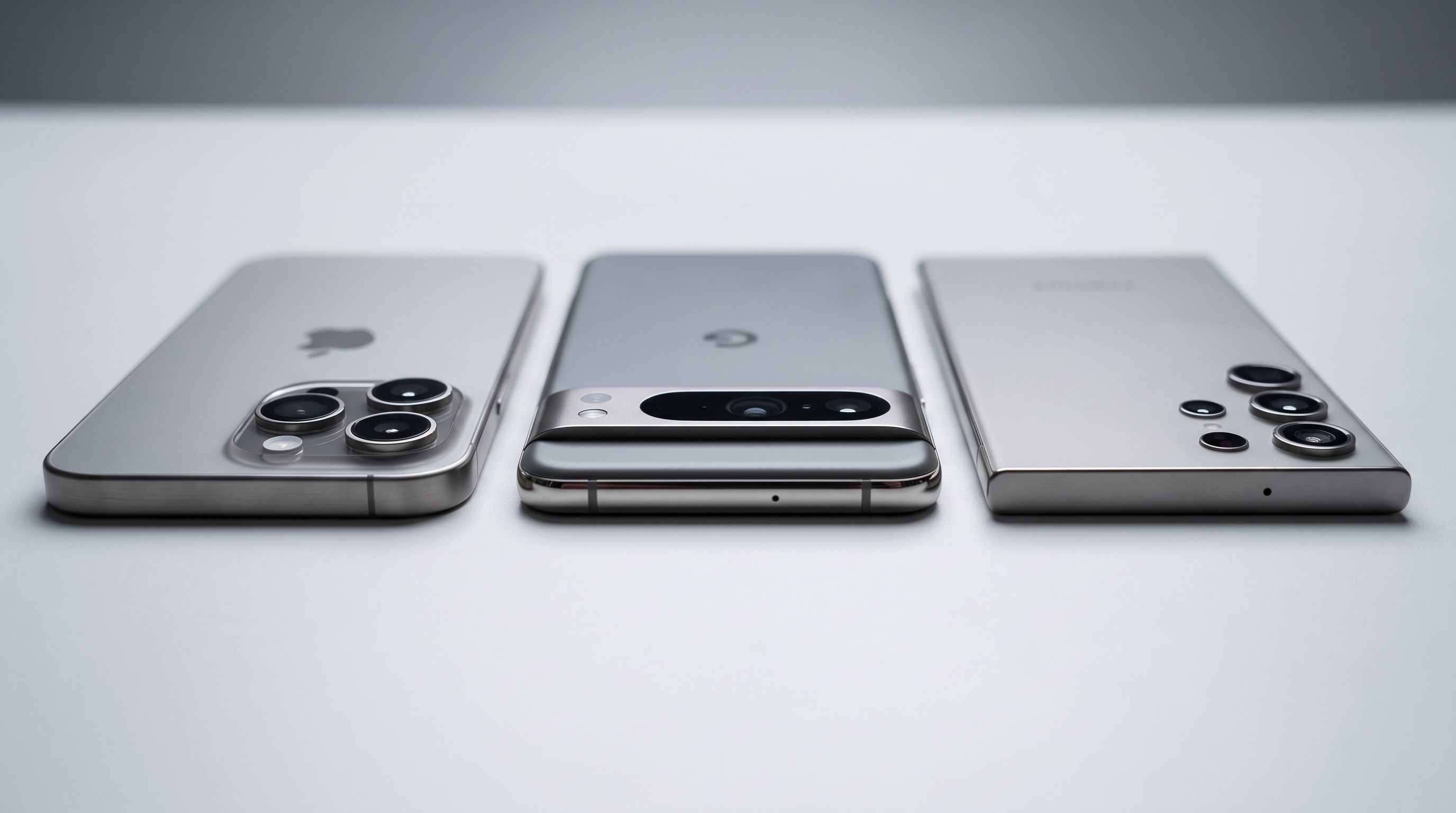
Best Camera Phone 2026: iPhone vs Pixel vs Galaxy
iPhone 17 Pro Max vs Pixel 10 Pro XL vs Galaxy S26 Ultra: we compare low light, zoom and video to find the best camera phone in 2026 for your ecosystem.
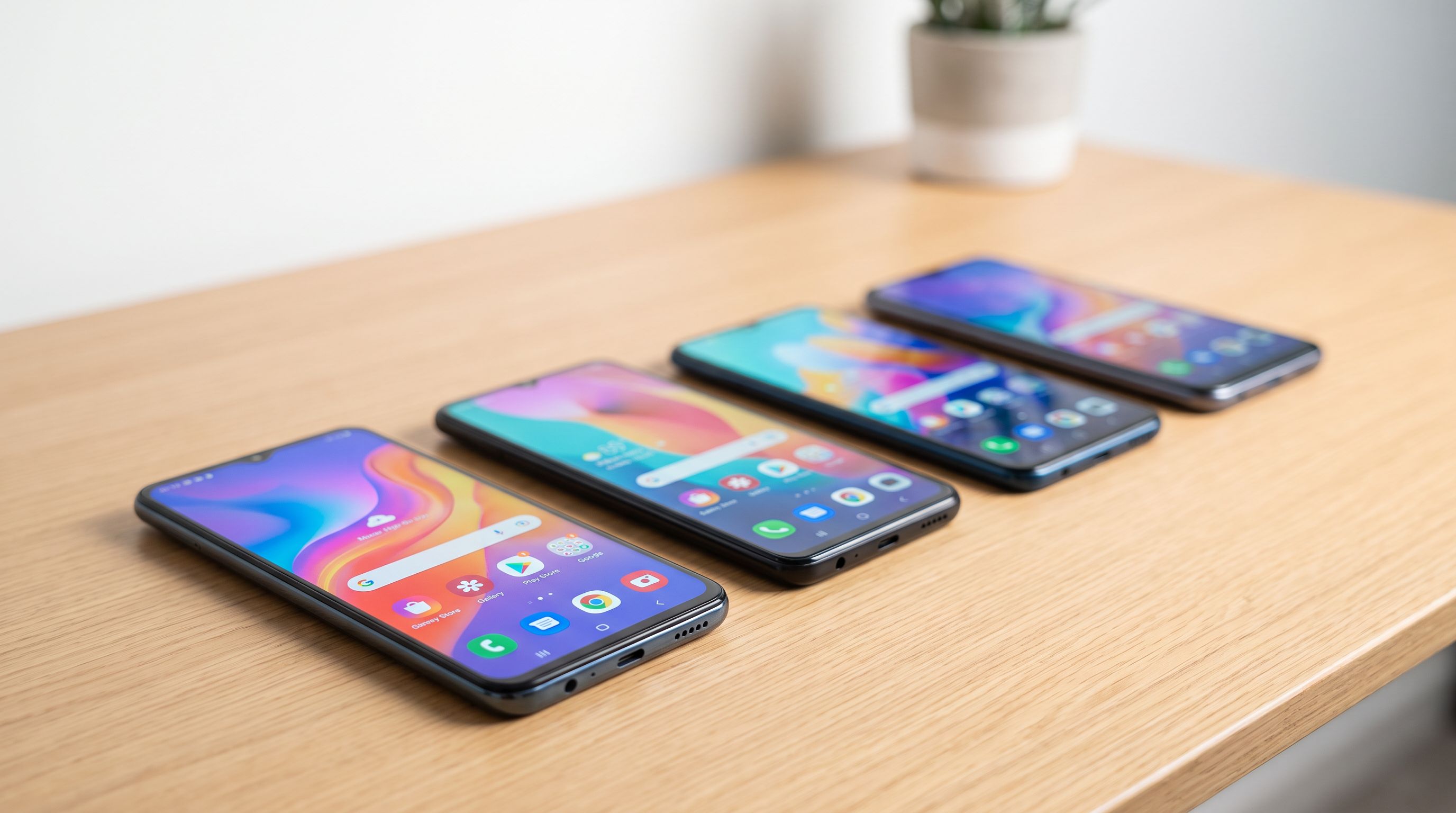
Best Budget 5G Phones Under $400 in 2026
The best budget 5G phones under $400 in 2026, evaluated against what actually matters: battery life, update support, camera quality and real-world speed.
Satellite Messaging Phone 2026: What Works Off-Grid
Which phones have satellite SOS and texting in 2026, how the plans actually work, and when a Garmin inReach or ZOLEO beats your phone off-grid.