Best Camera Phone 2026: iPhone vs Pixel vs Galaxy
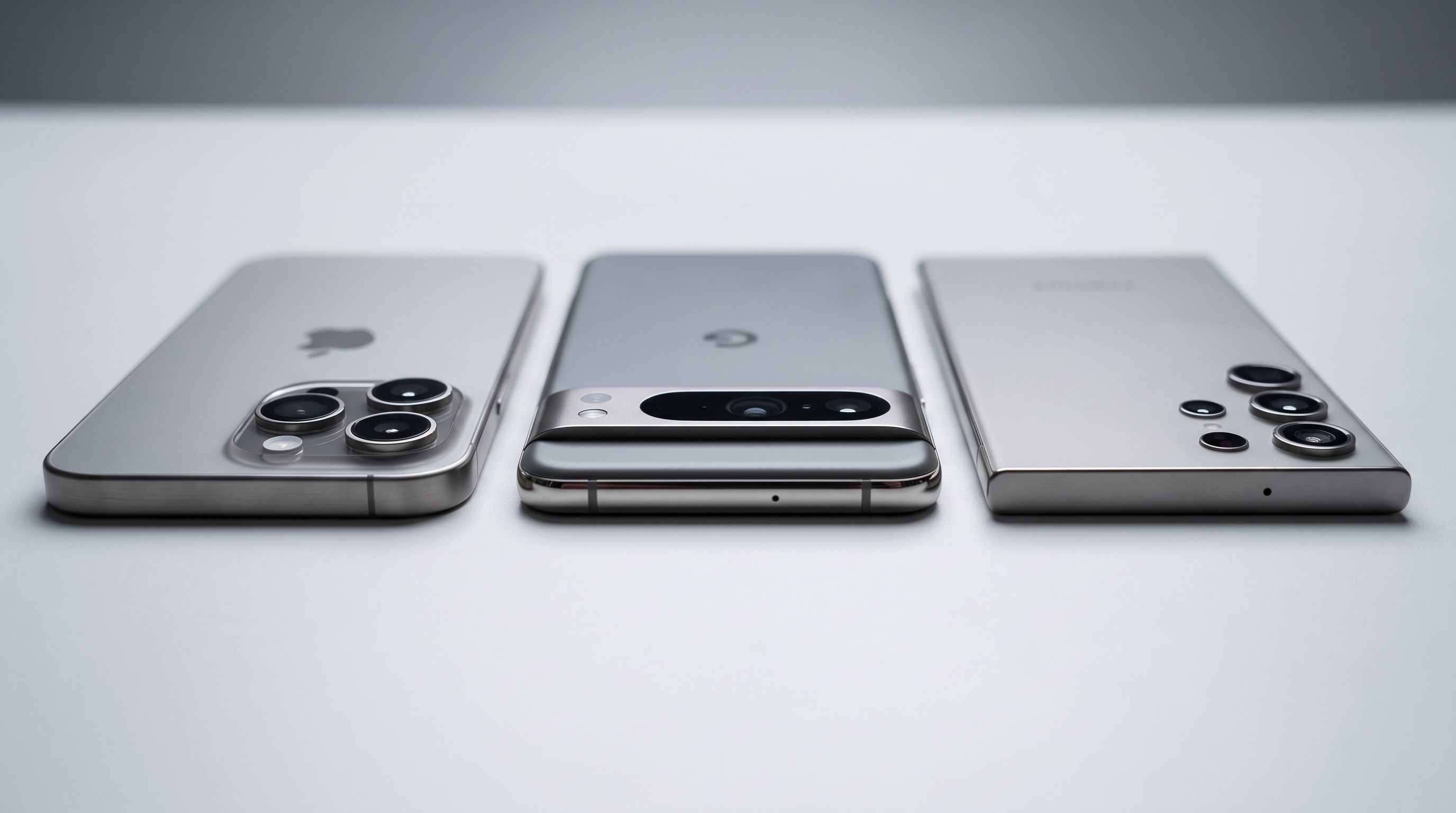
iPhone 17 Pro Max vs Pixel 10 Pro XL vs Galaxy S26 Ultra: we compare low light, zoom and video to find the best camera phone in 2026 for your ecosystem.
Reader-supported: we may earn a commission from links on this page, at no extra cost to you. It never affects our picks. Learn more.
If you're shopping for the best camera phone 2026 has to offer, the honest answer is that you're not really choosing a camera — you're choosing an ecosystem, and then living with the camera that comes attached to it. The good news: all three of the big flagships take excellent photos. The differences are real, but they show up in how each phone handles a scene rather than in whether it can handle it at all.
This guide compares the Apple iPhone 17 Pro Max, Google Pixel 10 Pro XL and Samsung Galaxy S26 Ultra across the three things buyers actually ask about: low light, zoom and video. We'll also name the outsiders worth knowing about, because in 2026 the Chinese flagships — particularly the Oppo Find X9 Pro and the Xiaomi and vivo Ultra models — are the phones reviewers keep putting at the very top of their lists.
 Best value · Google Pixel 10 — Check price on Amazon →
 Enthusiast pick · Oppo Find X9 Pro — Check price on Amazon →
 Best all-rounder and best zoom · Samsung Galaxy S26 Ultra — Check price on Amazon →
 Best for photos of people · Google Pixel 10 Pro XL — Check price on Amazon →
 Best for video · Apple iPhone 17 Pro Max — Check price on Amazon →
The short verdict
- Buy the iPhone 17 Pro Max if video matters most. Nothing else is as consistent when you hit record — exposure, autofocus and stabilization stay glued in place, and the pro capture formats give editors real headroom.
- Buy the Pixel 10 Pro XL if you photograph people. Skin tones, mixed-lighting HDR and first-shot consistency are still Google's superpower, and the AI editing suite is the most useful of the three.
- Buy the Galaxy S26 Ultra if you want maximum reach and flexibility. Two telephoto lenses mean you're rarely stuck, and the manual/RAW controls go deeper than Apple's or Google's.
If you're not locked to an ecosystem and you just want the best imaging hardware, look at the Oppo Find X9 Pro — its Hasselblad-tuned system and large telephoto sensor are why so many 2026 round-ups put Oppo above the Western trio.
How the big three compare
| iPhone 17 Pro Max | Pixel 10 Pro XL | Galaxy S26 Ultra | |
|---|---|---|---|
| Photo character | Neutral, true-to-life, low contrast | Punchy HDR, warm skin tones | Bright, saturated, "ready to post" |
| Low light | Excellent, holds detail, resists over-brightening | Excellent, cleanest faces, Night Sight is fast | Excellent, brightest results, occasionally over-sharpened |
| Telephoto | Single long tele, very clean | Single tele, superb Super Res Zoom processing | Dual tele — the most reach and the most usable mid-range crops |
| Video | Class leader: stabilization, autofocus, pro formats | Much improved, great in daylight, softer at night | Very good, most resolution/frame-rate options |
| Editing tools | Minimal, film-like grading via third-party apps | Best AI cleanup and reframing tools | Deepest manual/RAW control (Expert RAW) |
| Best for | Filmmakers, hybrid shooters, Apple households | Families, travel, point-and-shoot users | Zoom addicts, tinkerers, one-phone-does-all |
Character descriptions reflect default processing; all three shoot RAW if you want to start from neutral.
Low light: three different philosophies
Put the three on a tripod in a dim restaurant and you get three defensible answers.
The Pixel 10 Pro XL produces the most believable image. Google's pipeline protects faces first — it will accept a slightly darker background to keep skin looking like skin, and it almost never gives you the plasticky, over-smoothed look that used to plague night modes. If your low-light photos are mostly of people, this is the pick.
The iPhone 17 Pro Max is the most restrained. Apple preserves the actual mood of a scene: a candlelit room still looks candlelit rather than being lifted to daylight brightness. Detail retention in shadows is superb, and the front camera is the strongest of the three for dim-room selfies.
The Galaxy S26 Ultra delivers the brightest, most immediately impressive frame. Samsung lifts shadows aggressively and adds contrast, which looks great on the phone's own display. The trade-off is that fine textures — hair, foliage, fabric — can pick up a slightly processed edge when you pixel-peep.
Handheld shutter lag matters too. In 2026, Google and Apple have both got night capture down to roughly a "hold still for a beat" experience; Samsung's brightest modes still ask a little more patience.
Zoom: Samsung's advantage is structural
This is the clearest hardware win of the three. The Galaxy S26 Ultra carries two telephoto cameras rather than one, which means the awkward gap between "portrait range" and "far away" is covered by a real lens instead of a crop. At long range it's still the phone that gets closest to something usable.
Google closes more of the gap than the spec sheet suggests. The Pixel 10 Pro XL's Super Res Zoom is remarkable at moderate distances, and Google's generative detail enhancement at extreme zoom is genuinely useful — with the caveat that it's inventing texture, not resolving it. That's fine for a holiday snap of a church spire; it's not fine if you need documentary accuracy.
Apple's single long telephoto on the iPhone 17 Pro Max is the cleanest of the three at its native focal length, with the most natural rendering and the least aggressive sharpening. It just doesn't reach as far, and Apple's digital zoom degrades more visibly than Google's.
Practical advice: shoot at the native focal lengths whenever you can. On every one of these phones, a shot taken at the lens's true reach beats a crop from a wider lens, and the difference is bigger than any brand-level difference.
Video: the iPhone still isn't beaten
If you record more than the occasional clip, the iPhone 17 Pro Max is the correct answer and it isn't especially close. Three reasons:
- Consistency. Pan from a bright window to a dark corner and exposure rolls smoothly instead of stepping. Autofocus doesn't hunt. Colour doesn't shift mid-shot.
- Stabilization. Walking footage is usable straight off the phone, and the action-style stabilized mode is the best of its kind.
- Workflow. Log-style capture and open, editable formats mean footage from an iPhone drops into a professional timeline without fighting you. Audio handling — including isolating a subject's voice — is also the most mature.
The Galaxy S26 Ultra is the runner-up and offers the widest menu of resolutions and frame rates, which suits people who want high-frame-rate slow motion or maximum-resolution capture for reframing later. Its stabilization is very good; its low-light video is noisier than Apple's.
The Pixel 10 Pro XL has improved dramatically and now shoots lovely, colour-accurate daylight video with excellent HDR. At night it's the softest of the three, and Google's cloud-assisted video enhancement adds a processing wait that not everyone will want.
Don't ignore the outsiders
Reviewer consensus in 2026 keeps pointing at phones most Western buyers overlook. The Oppo Find X9 Pro pairs Hasselblad colour science with a large-sensor telephoto that delivers genuine subject separation rather than software blur — it's the one to consider if the camera is the reason you're buying. Xiaomi and vivo's Ultra models push even further with variable apertures and periscope macro tricks, though availability, warranty support and long-term software updates vary a lot by region. Check those before you import anything.
The value angle
You do not need a Pro model to get most of the photographic benefit. The standard Google Pixel 10 now includes a telephoto lens and runs the same core image pipeline as its bigger sibling. In daylight, side-by-side shots are close enough that most people wouldn't call the difference. You give up some low-light headroom, some zoom reach and screen size — not the thing that makes a Pixel photo look like a Pixel photo.
How to choose in 30 seconds
- You edit video, or you post to social every week → iPhone 17 Pro Max
- You take pictures of kids, friends and holidays and want them to just look right → Pixel 10 Pro XL
- You shoot concerts, sport, wildlife or anything far away → Galaxy S26 Ultra
- You want the best camera regardless of brand loyalty → Oppo Find X9 Pro
- You want 85% of the results for a lot less → Pixel 10
FAQ
Which phone has the best camera in 2026 overall? Across independent testing, the Oppo Find X9 Ultra and Xiaomi 17 Ultra generally top the pure-imaging rankings, with the Find X9 Pro close behind. Among widely available Western flagships, it's a genuine three-way split: iPhone for video, Pixel for people, Galaxy for zoom.
Is the Pixel still better than the iPhone for photos? For portraits and mixed-lighting scenes, most testers still give Google the edge on skin tones and HDR. For colour neutrality and video, Apple wins. Neither is "wrong" — it's a taste difference more than a quality gap.
Do megapixels matter? Barely. Sensor size, lens quality and processing matter far more. A large-sensor 50MP camera will beat a small-sensor 200MP one in low light almost every time, and nearly all these phones bin down to a smaller output file by default anyway.
Should I shoot RAW? Only if you'll actually edit. RAW (or Apple's ProRAW and Samsung's Expert RAW) gives you far more latitude but bypasses the computational magic that makes these phones so good straight out of camera. For most people, the default JPEG/HEIC is better than what they'd produce by hand.
How long will these phones be supported? All three major manufacturers now commit to roughly seven years of OS and security updates on their flagships — a genuinely relevant factor if you plan to keep the phone rather than trade it in annually.
Our picks
Apple iPhone 17 Pro Max Silicone Case with MagSafe and Camera Control: Lightweight Phone Case, Wireless Charging Compatible, Smooth Matte Finish; Orange
The most dependable video phone made: sane color, superb stabilization and pro-grade capture formats.
Google Pixel 10 Pro XL - Unlocked Smartphone with Gemini - Moonstone 256 GB | Android phone, triple rear pro camera system, fast-charging 24+ hour battery, bright 6.8" Super Actua Display
Best-in-class skin tones, HDR and point-and-shoot consistency, plus the smartest editing tools.
Samsung Galaxy S26 Ultra, Unlocked Android Smartphone, 512GB, Black | Privacy Display, Galaxy AI, AI Camera, Super Fast Charging 3.0, Durable Battery, 2026, US 1 Year Warranty
Dual telephotos give it the most flexible reach of the big three, with a great display for editing.
Samsung Galaxy S26 Ultra, Unlocked Android Smartphone, 512GB, Cobalt Violet | Privacy Display, Galaxy AI, AI Camera, Super Fast Charging 3.0, Durable Battery, 2026, US 1 Year Warranty
Hasselblad tuning and a huge telephoto sensor make it a genuine camera-first flagship.
Google Pixel 10 - Unlocked Smartphone with Gemini - Indigo - 128 GB | Android phone, advanced triple rear camera, 20x zoom, fast-charging 24+ hour battery, 6.3" Actua Display, data protection
Most of the Pixel photo magic, including a telephoto lens, for far less than the Pro XL.
Get the best tech deals in your inbox
Join the BytePlaza newsletter for hand-picked gadget deals and new buying guides. No spam, unsubscribe anytime.
Related reads
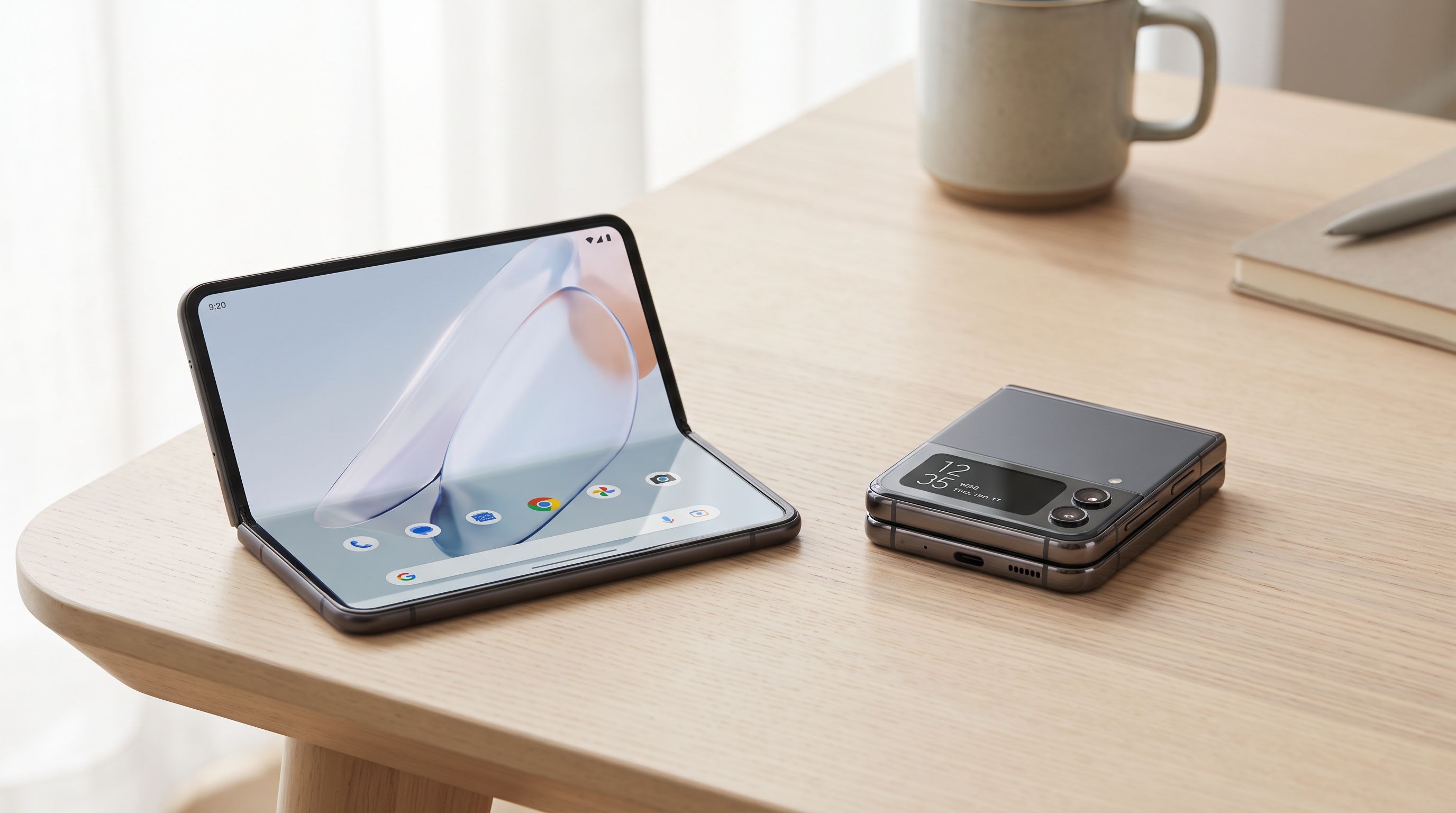
Best Foldable Phones 2026: Are They Finally Worth It?
Our guide to the best foldable phones: book-style vs flip, crease and durability realities, and whether a folding screen beats a standard flagship in 2026.
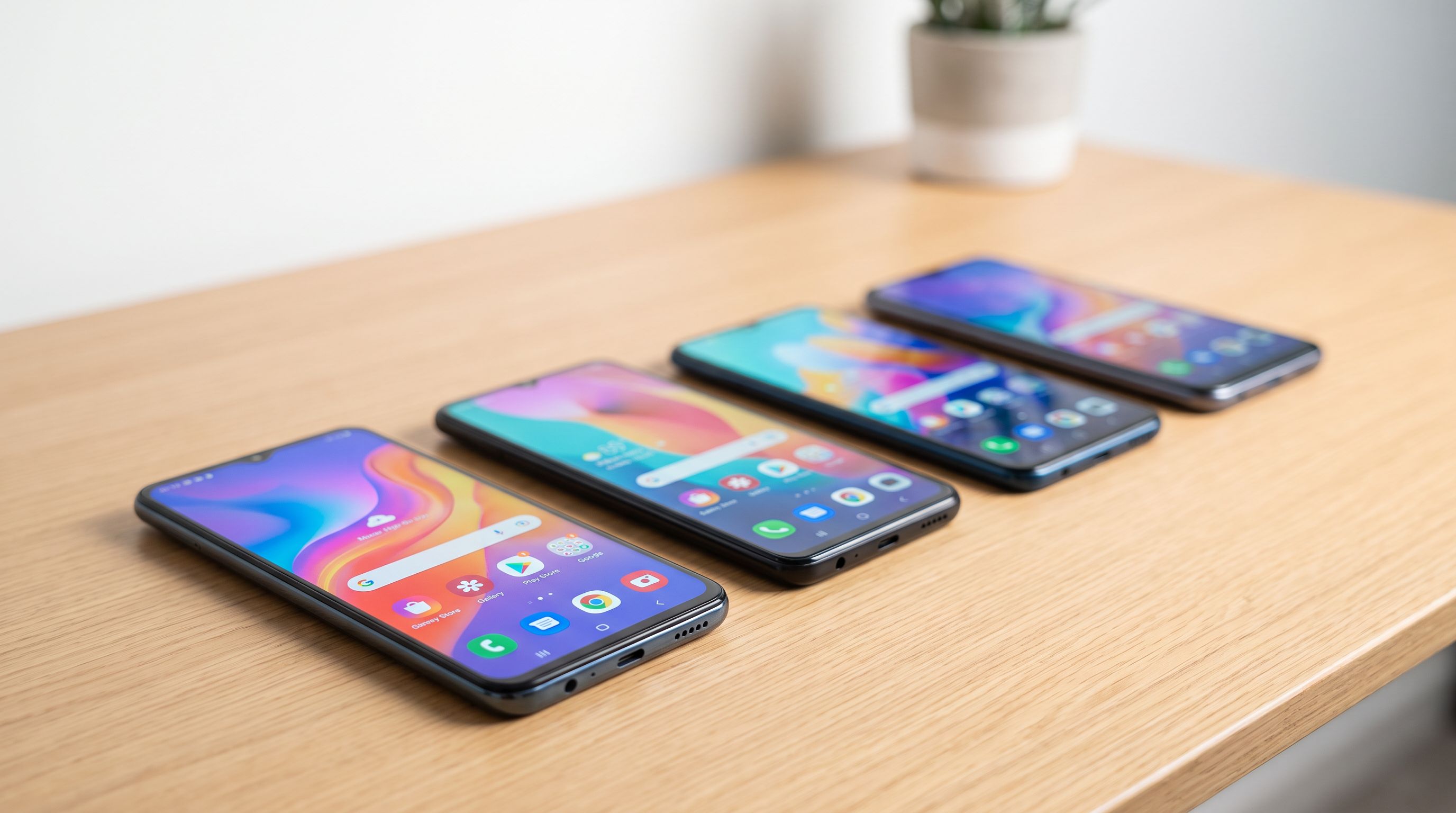
Best Budget 5G Phones Under $400 in 2026
The best budget 5G phones under $400 in 2026, evaluated against what actually matters: battery life, update support, camera quality and real-world speed.
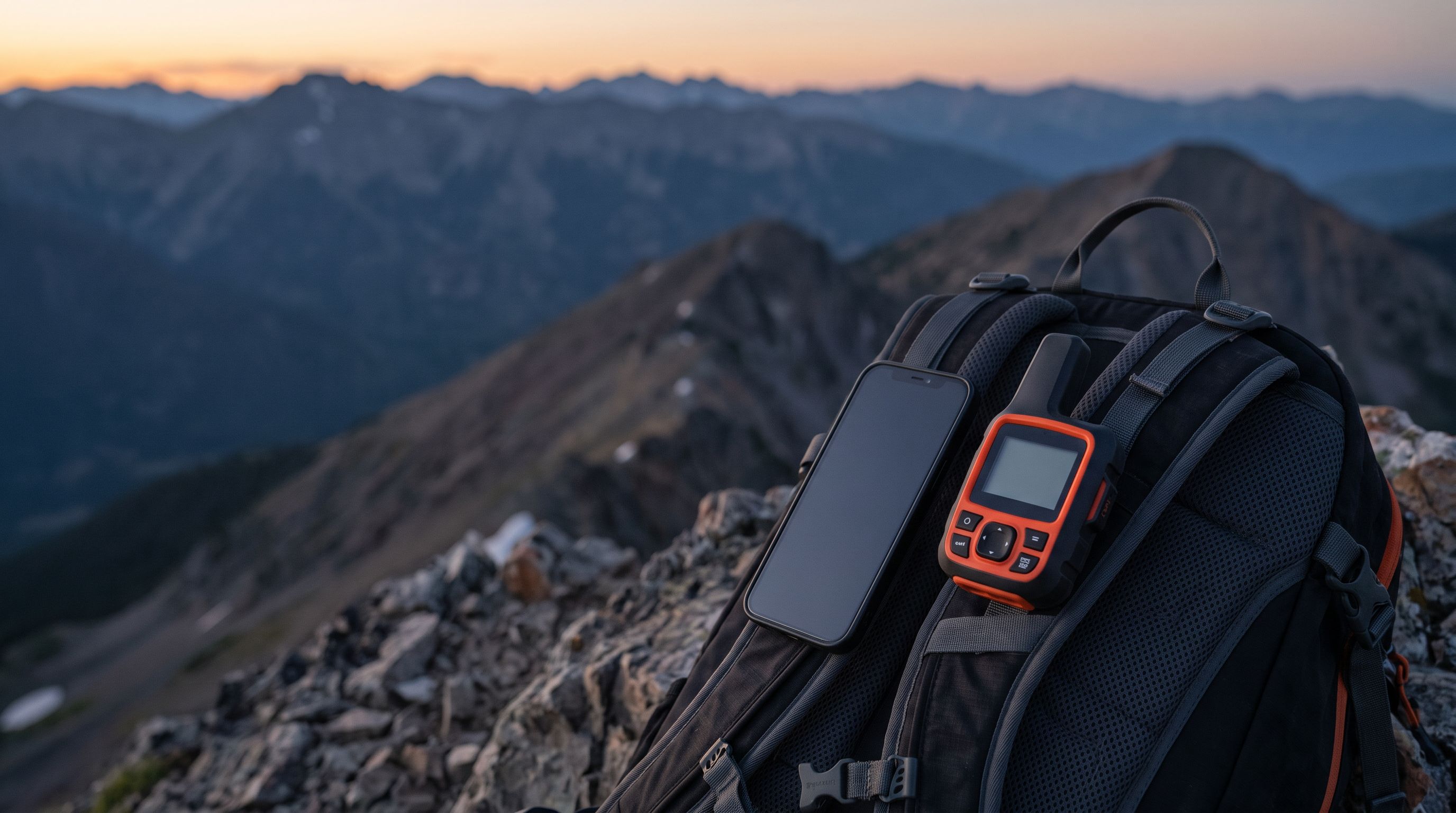
Satellite Messaging Phone 2026: What Works Off-Grid
Which phones have satellite SOS and texting in 2026, how the plans actually work, and when a Garmin inReach or ZOLEO beats your phone off-grid.