Which Smart Alarm Clock Should You Buy in 2026?
We compared the best smart alarm clock options for 2026 — Hatch Restore 3, Loftie, Philips and more — on sunrise lighting, sound quality, subscriptions and sleeper type.
Reader-supported: we may earn a commission from links on this page, at no extra cost to you. It never affects our picks. Learn more.
Your phone is a terrible alarm clock. It's also a slot machine, an inbox and a doom-scroll machine that lives six inches from your face at 6:45 a.m. That's the single best argument for a dedicated bedside clock in 2026 — and the category has quietly gotten very good.
The catch: "smart alarm clock" now covers three quite different products. There are sunrise lamps that simulate dawn, subscription-driven sleep systems with sound libraries and guided meditations, and full smart displays that happen to have an alarm. Picking the wrong type is how people end up with a $170 device they use as a nightlight.
BytePlaza doesn't physically test units. What we do is compare manufacturer specs side by side, read across independent review outlets (Wirecutter, Sleep Foundation, PCMag and others have all run 2026 roundups), and weigh verified owner feedback — especially the complaints that show up repeatedly after six months of ownership. Here's how the field shakes out.
The three types, and who each one suits
Sunrise lamps. A single bright LED panel ramps from dim amber to full daylight over 20–30 minutes before your alarm. Philips has been doing this longest, and the SmartSleep Wake-Up Light HF3520 remains the reference point: no app, no account, no subscription. If you're a heavy sleeper who wakes up groggy in winter, light is the lever that matters most.
Sleep systems. Hatch Restore 3 and Loftie Clock. These combine light, a speaker, a sound library and a routine builder. They're the best all-rounders and the ones most likely to genuinely change your evening habits — but content is where the business model lives.
 Best sound quality · Loftie Clock — Check price on Amazon →
 Best overall · Hatch Restore 3 — Check price on Amazon →
Smart displays and speakers. Amazon Echo Spot (2024) and Google Nest Hub (2nd Gen). Weaker as dawn simulators, far stronger as smart home controllers. If you want to say "turn off the downstairs lights" from bed and run Matter devices, this is the branch you want.
 Best screen-based pick · Google Nest Hub (2nd Gen) — Check price on Amazon →
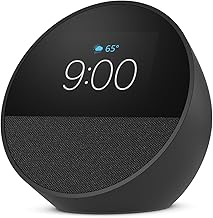 Best for smart home control · Amazon Echo Spot (2024) — Check price on Amazon →
Comparison at a glance
| Model | Type | Sunrise light | Speaker | Smart home / Matter | Subscription |
|---|---|---|---|---|---|
| Hatch Restore 3 | Sleep system | Yes, full-color, customizable | Good, tuned for sleep content | Limited; no Matter control | Hatch+ needed for most content |
| Loftie Clock | Sleep system | Nightlight-grade, not a true sunrise | Best-in-class for the size | No | Large free library; optional paid tier |
| Philips SmartSleep HF3520 | Sunrise lamp | Yes — colored 30-min sunrise, 20 brightness levels | Basic FM radio and nature sounds | No | None |
| Amazon Echo Spot (2024) | Smart speaker/clock | Screen glow only | Surprisingly full bass for the size | Alexa + Matter-capable ecosystem | None required |
| Google Nest Hub (2nd Gen) | Smart display | Software sunrise via screen | Decent, room-filling for a nightstand | Google Home + Matter | None required |
Best overall: Hatch Restore 3
The Restore 3 is the pick most 2026 roundups converge on, and the reasoning holds up: it's the only device here that does light, sound, a wind-down routine and a proper morning ramp competently in one puck. The third generation fixed the biggest complaint about the Restore 2 — fiddly touch controls — by bringing back real physical buttons and a top dial. Owners consistently call that out as the upgrade that made it livable at 2 a.m.
Its light is genuinely customizable: you can set color temperature and intensity for both the wind-down and the wake-up, so a reading-friendly amber in the evening and a cooler daylight ramp in the morning. The speaker is tuned for spoken word and soundscapes rather than music, which is the right call for a bedside device.
The tension is Hatch+. The hardware works without it — alarms, a handful of sounds, the light — but the sleep stories, meditations and the bulk of the sound library sit behind the subscription. Buy it knowing you'll probably keep paying, or buy something else. It's also the wrong choice if you want the clock to control your smart bulbs; Hatch is an island, not a hub.
Best for: people who want a bedtime routine, not just an alarm. Small to medium bedrooms.
Best sound: Loftie Clock
Loftie's angle is that the wake-up should be gentle. Its two-phase alarm sounds a soft tone a few minutes before the real one, letting you surface slowly instead of getting yanked out of deep sleep. Reviewers across the board rate it the best-sounding clock in this class — the speaker has more range and less boxiness than the competition, which matters if you use it for white noise all night or breathwork before bed.
Crucially, most of Loftie's content library is free. There's a paid tier for expanded content, but you can live happily without it, and that changes the long-term maths against the Restore 3 considerably.
The trade-off: Loftie's light is a nightlight, not a sunrise. If dawn simulation is your main reason for buying, this isn't the one. It also has no Matter or smart-home integration to speak of — it's a beautifully executed single-purpose object.
Best for: light sleepers, couples on different schedules, anyone who hates abrupt alarms.
Best no-subscription sunrise: Philips SmartSleep Wake-Up Light HF3520
Sometimes the boring answer is correct. The HF3520 has been on shelves for years, still appears in 2026 best-of lists, and does exactly one thing extremely well: a 30-minute colored sunrise from deep red to bright yellow-white, across 20 brightness levels, with five natural wake sounds or FM radio.
There's no app, no account, no cloud service to sunset. It doubles as a bedside reading lamp, and the tap-to-snooze surface is more forgiving than touch panels on newer clocks. For larger bedrooms it's also the brightest dawn simulator here by a wide margin — the sleep-system pucks are small and their light output reflects that.
Owner complaints are consistent and worth knowing: the button layout takes a week to learn, and the radio tuner is mediocre. Neither matters much if you bought it for the light.
Best for: heavy sleepers, winter darkness, people allergic to subscriptions.
Best for smart home control: Echo Spot and Nest Hub
If your bedroom is already full of Matter devices, a dedicated sleep gadget is the wrong shape. The Amazon Echo Spot (2024) is the better pure alarm clock of the two: a half-screen design that shows time and weather without blasting you with a full display, a speaker with real bass for its size, and the Alexa ecosystem's Matter support behind it. Voice snooze from a horizontal position is underrated.
The Google Nest Hub (2nd Gen) is the pick if you want a screen — photos, recipes, camera feeds — plus contactless Sleep Sensing that tracks your breathing and movement without a wearable. Its "sunrise alarm" brightens the display before your alarm, which is a nicety rather than a real dawn simulation. Both integrate with Matter-compatible bulbs, so you can rig a genuine sunrise using smart lights in the room and let the clock be the brain.
Best for: connected bedrooms, people who want one device instead of three.
How to match a clock to your bedroom
- Small bedroom, light sleeper: Loftie Clock. Gentle, great sound, doesn't over-illuminate.
- Small bedroom, heavy sleeper: Hatch Restore 3 — the routine-building is what actually shifts sleep timing.
- Large or very dark bedroom: Philips SmartSleep HF3520. Raw light output wins.
- Shared bed, mismatched schedules: Loftie's two-phase alarm or a Hatch with headphones-free low-volume wake.
- Matter-heavy home: Echo Spot or Nest Hub, paired with smart bulbs for the sunrise.
FAQ
Do sunrise alarm clocks actually work? The evidence for dawn simulation reducing sleep inertia is reasonably good, particularly in winter and for people who wake before natural sunrise. It's not magic, and it works best alongside a consistent bedtime. Brightness and ramp length matter more than color-changing gimmicks.
Does the Hatch Restore 3 need a subscription? The core alarm, light and a limited set of sounds work without Hatch+. The meditations, sleep stories and full sound library require it. Factor the ongoing cost in before buying.
Do any of these support Matter directly? Not the dedicated sleep clocks. Matter support comes via the Echo Spot and Nest Hub ecosystems. If you want your clock to trigger other devices, that's the route.
Can I use one as a white noise machine all night? Yes, and Loftie is the best at it thanks to its speaker. Check that your chosen model allows continuous overnight playback rather than a timed shutoff — some owners are caught out by auto-stop behavior.
Is a smart display bad for sleep? A bright screen at bedtime isn't ideal. Both the Echo Spot and Nest Hub have adaptive dimming and night modes; enable them. If you're sensitive to light, a dedicated clock with a dimmable amber display is the safer choice.
Our picks
Hatch Restore 3 | Science-Backed Sleep Audio, Circadian Lighting (Putty)
The most complete bedside system: sunrise light, real buttons, deep sound library — if you accept the subscription.
Loftie Smart Alarm Clock - Bluetooth Speaker, Sound Machine, Custom Alarms, Wellness Content, White Noise, Nature Sounds, Nightlight, and Blackout Mode for Relaxing Nights and Mornings (Red Shell)
Two-phase wake-up and the best speaker of the bunch, with a large free content library.

PHILIPS SmartSleep Wake-up Light, Colored Sunrise and Sunset Simulation, 5 Natural Sounds, FM Radio & Reading Lamp, Tap Snooze, HF3520/60
A proven 30-minute colored sunrise with zero app, zero account, zero monthly fee.
Amazon Echo Spot (newest model), Great for nightstands, offices and kitchens, Smart alarm clock, Designed for Alexa+, Black
Compact Alexa clock with Matter-capable hub features and decent bass for a bedside puck.
Nest Hub 7 Smart Display 2nd Generation with Google Assistant - Charcoal
Sunrise alarm, contactless sleep sensing and Matter control on a 7-inch bedside display.
Get the best tech deals in your inbox
Join the BytePlaza newsletter for hand-picked gadget deals and new buying guides. No spam, unsubscribe anytime.
Related reads
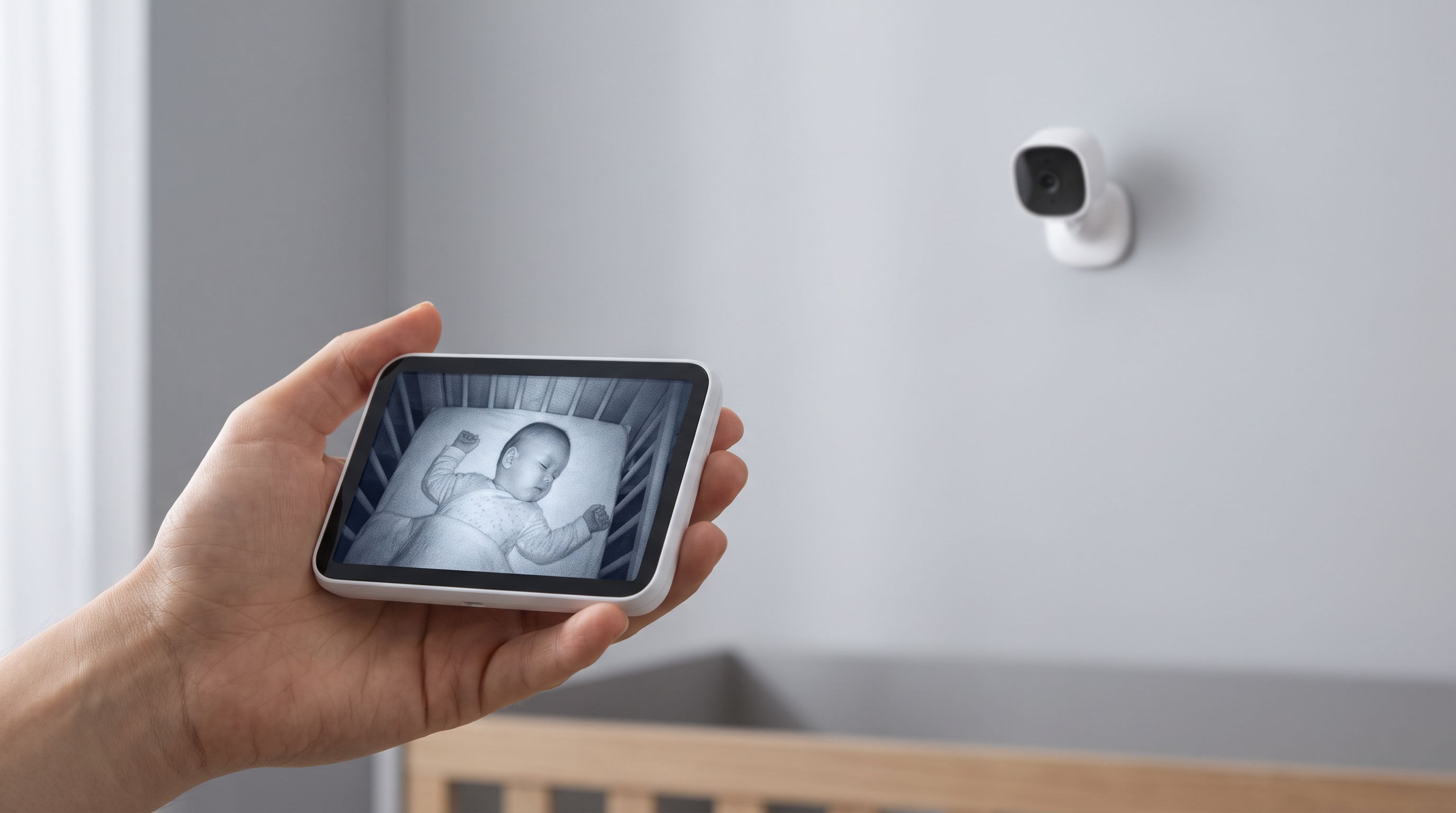
Baby Monitors in 2026: Wi-Fi or Closed-Circuit?
Wi-Fi vs closed-circuit baby monitors compared on privacy, range and battery life — plus the best baby monitor 2026 picks for every kind of parent.
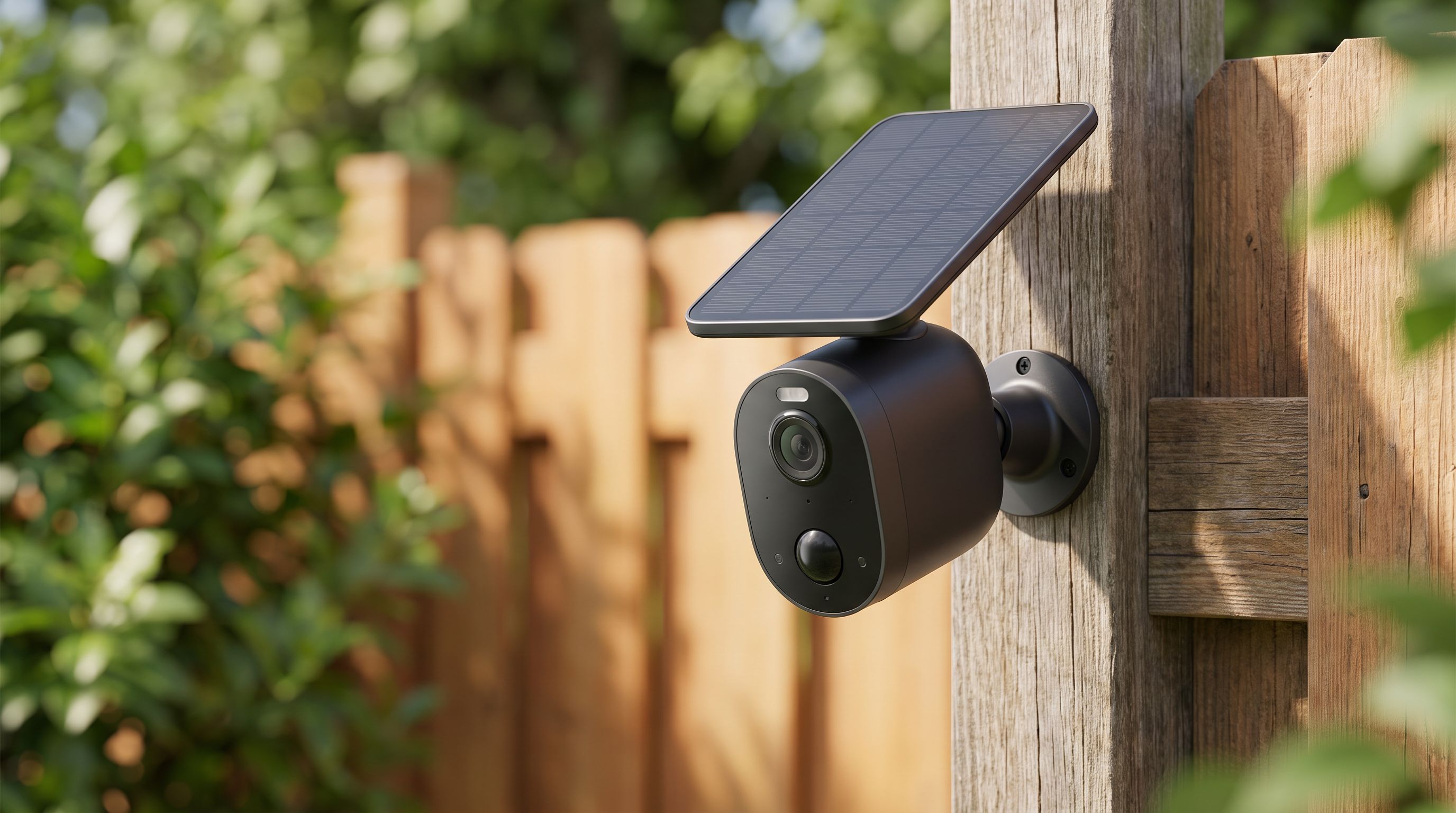
Solar Security Cameras in 2026: 4 That Never Need Charging
The best solar security camera 2026 picks compared: battery capacity, real solar input, local storage and subscription-free recording for off-grid outdoor spots.
Smart Doorbell Chimes in 2026: 4 Picks That Get Heard
The best smart doorbell chime fixes the alerts you miss in the basement or backyard. We compare Ring, Google Nest, Aqara and Wi-Fi plug-in chimes for 2026.